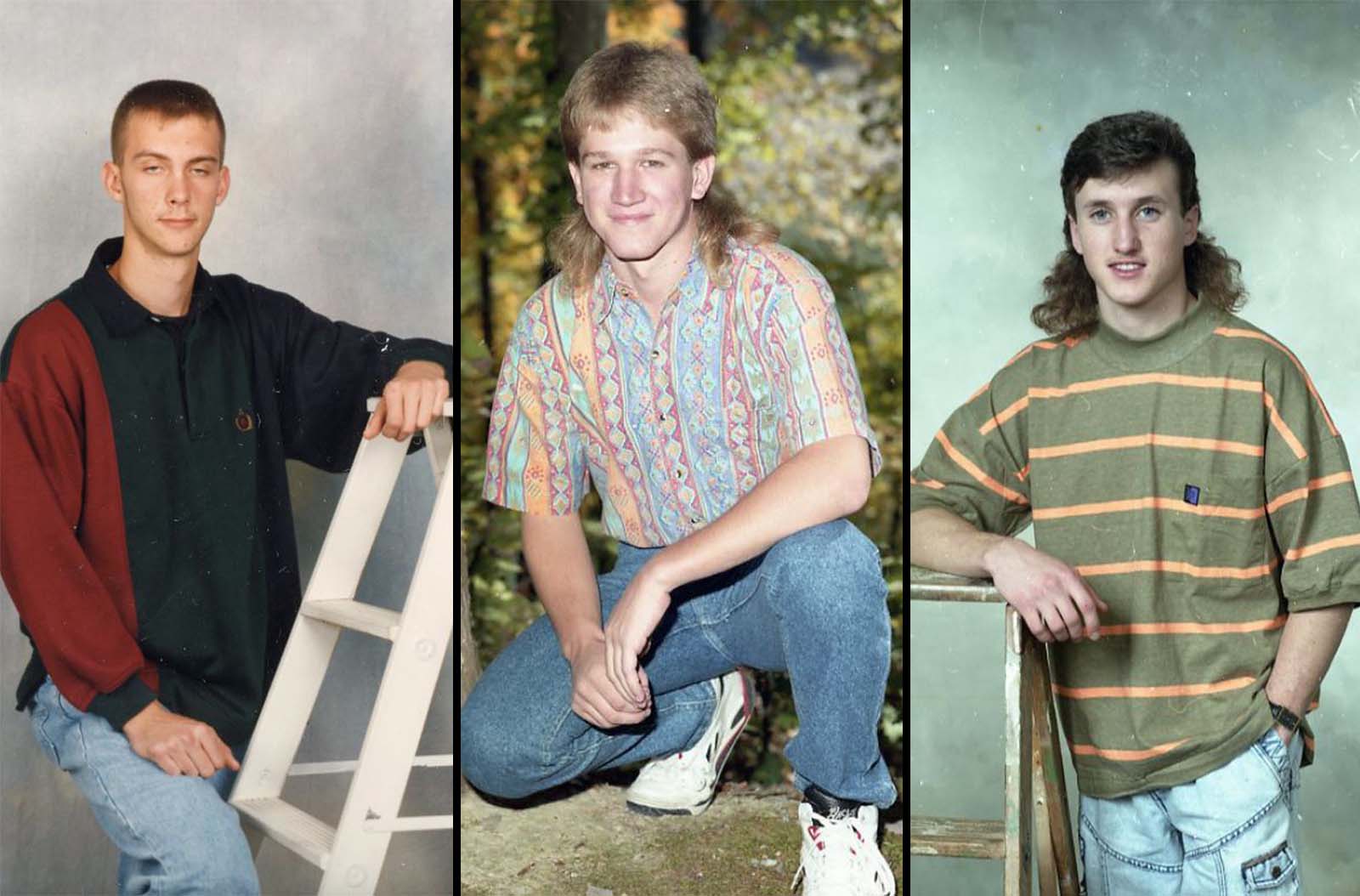
 Most of what we think we remember about 1990s fashion comes from movies, music videos, and magazine spreads. But those were costumes.
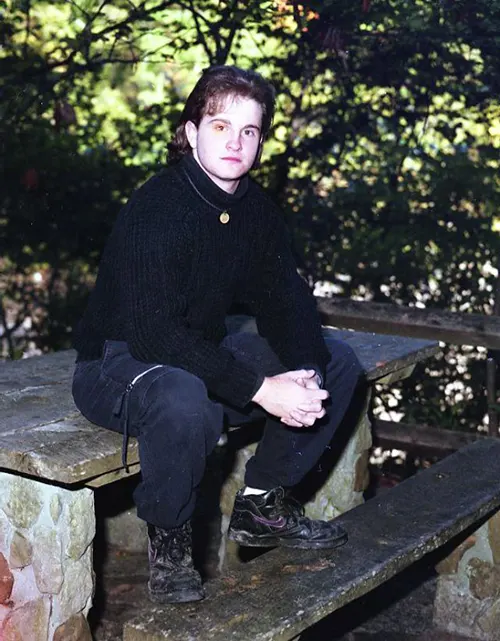
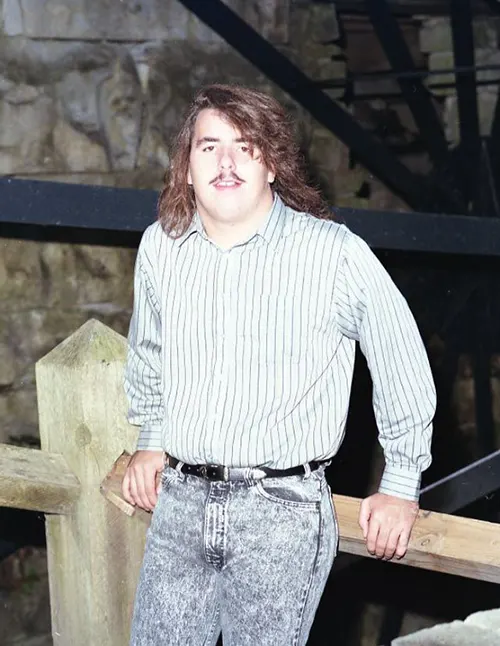
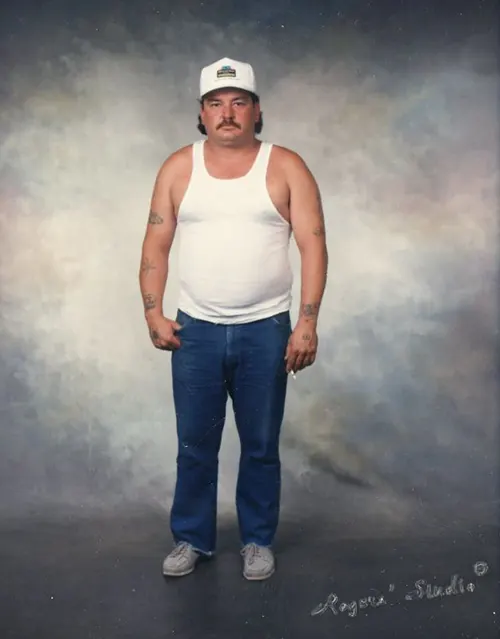
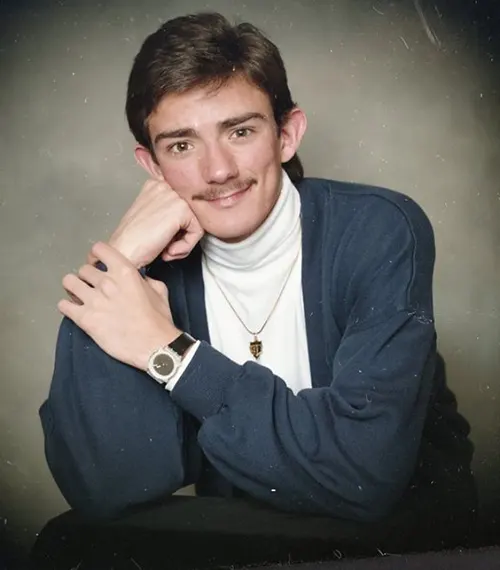
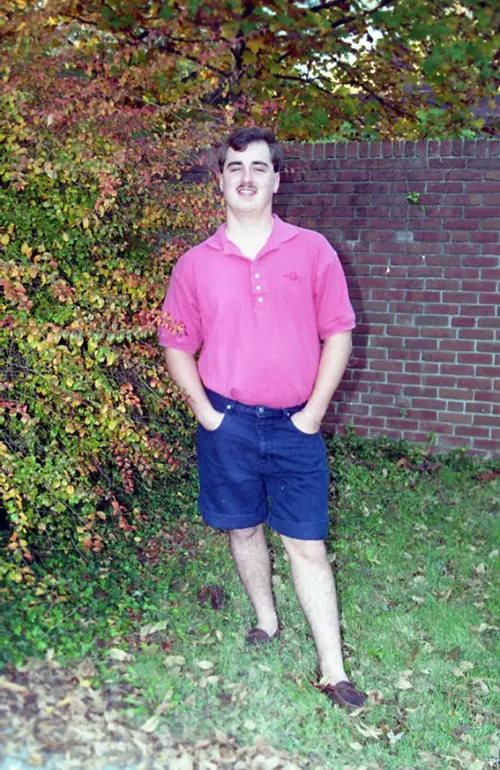
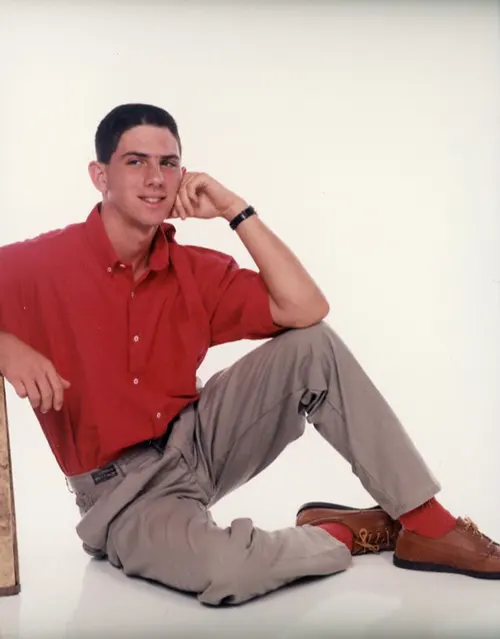
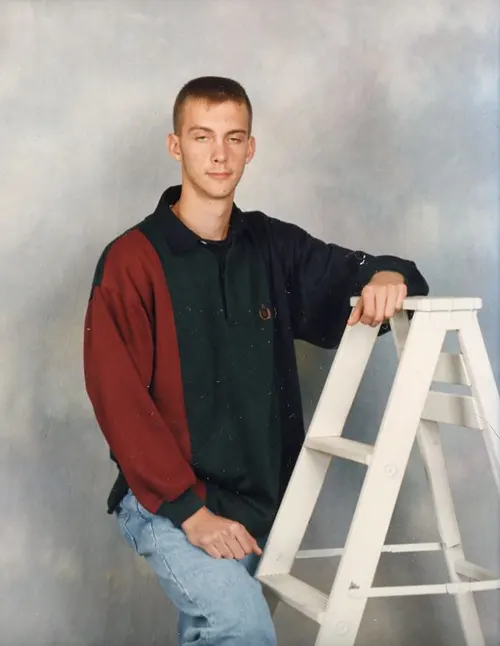
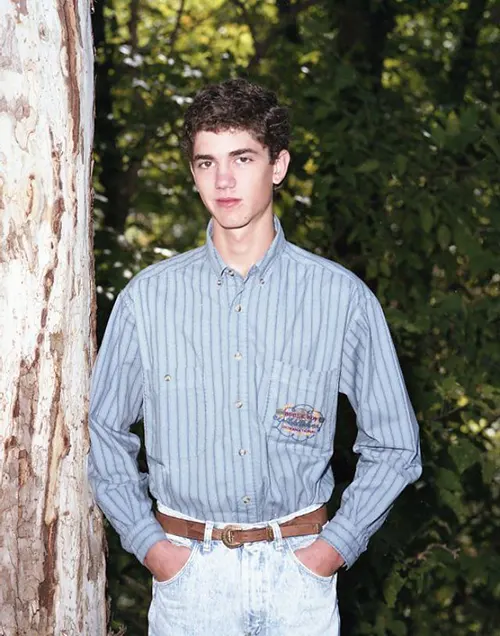
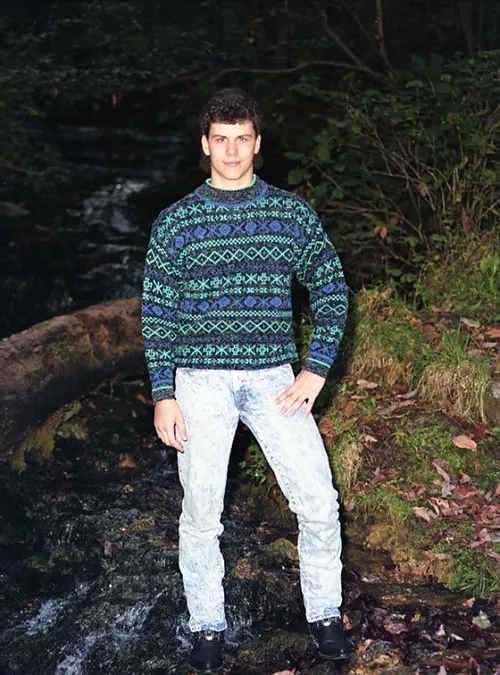
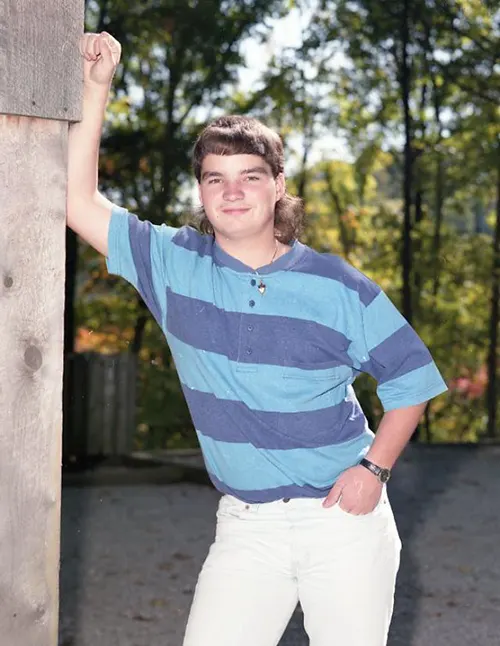
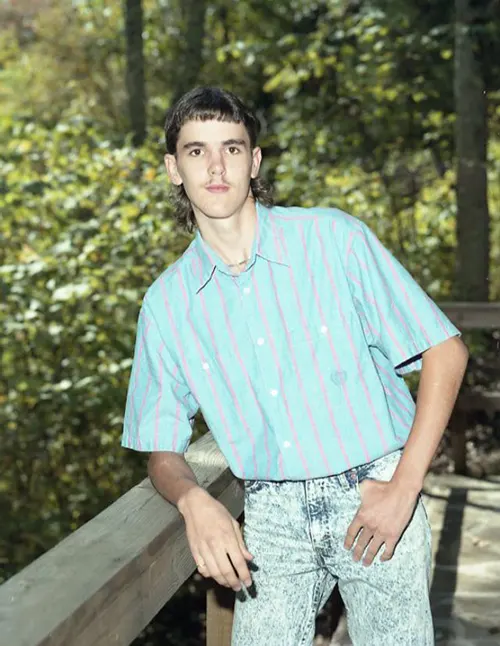
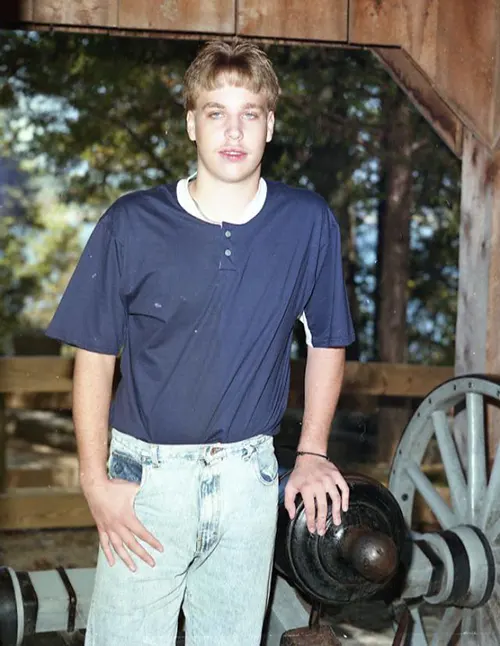
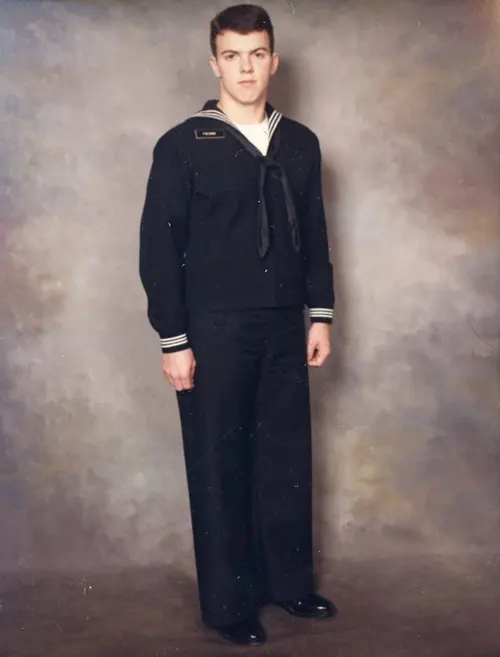
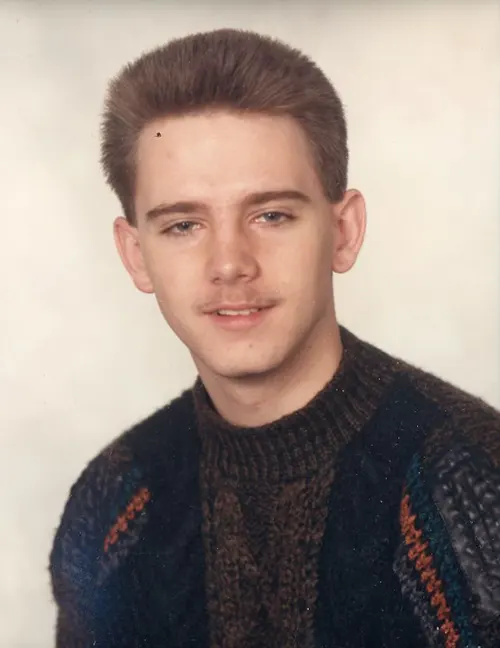
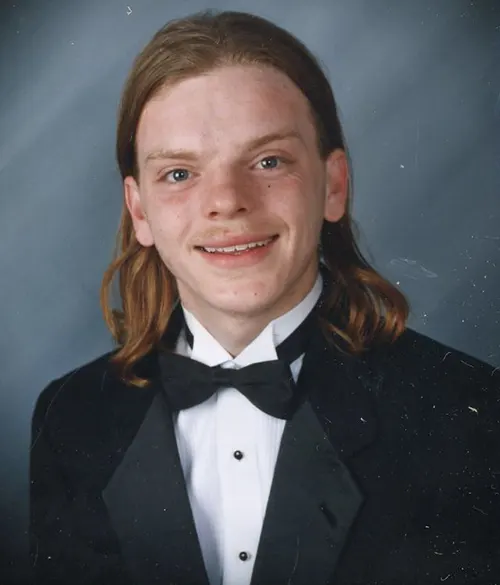
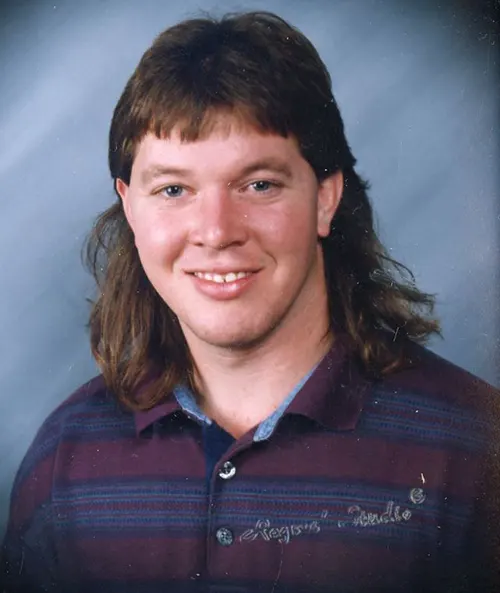
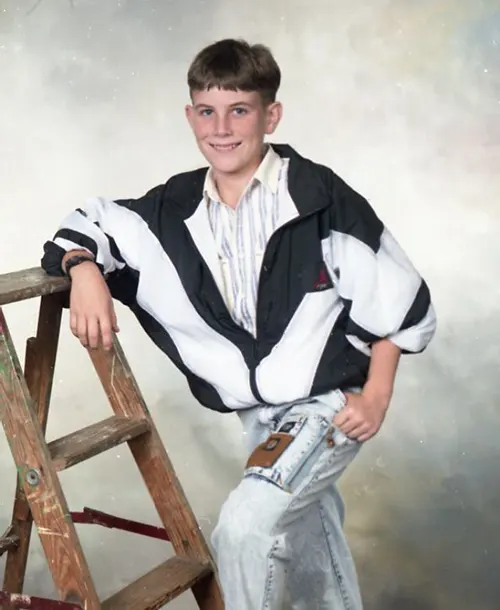
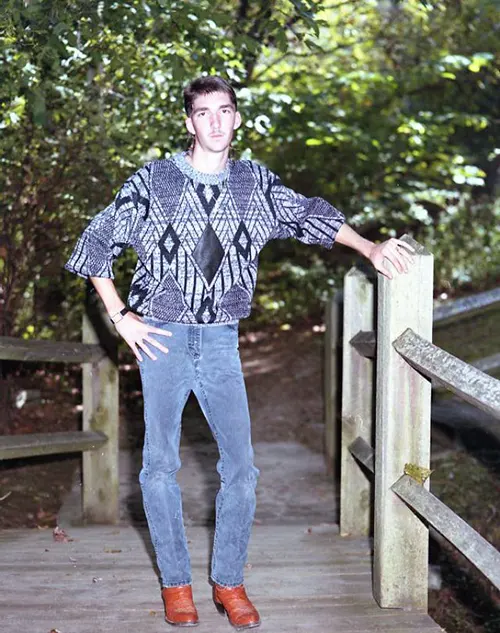
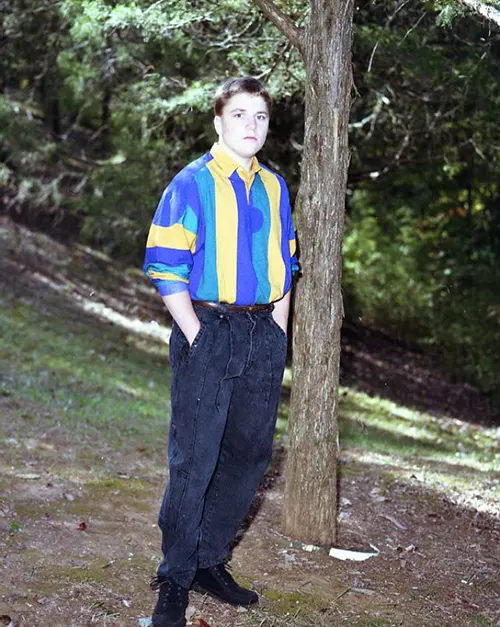
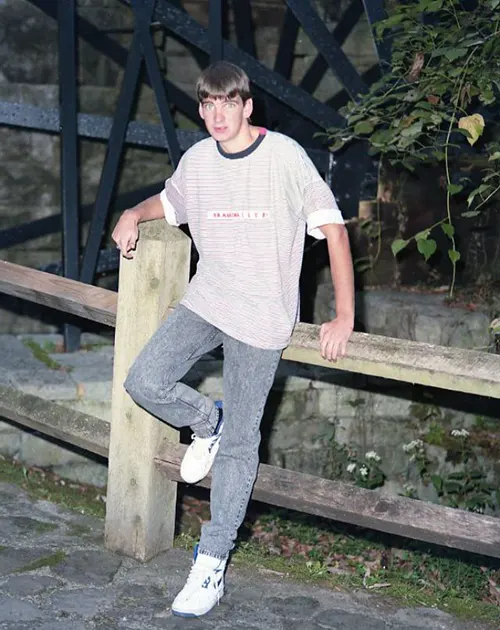
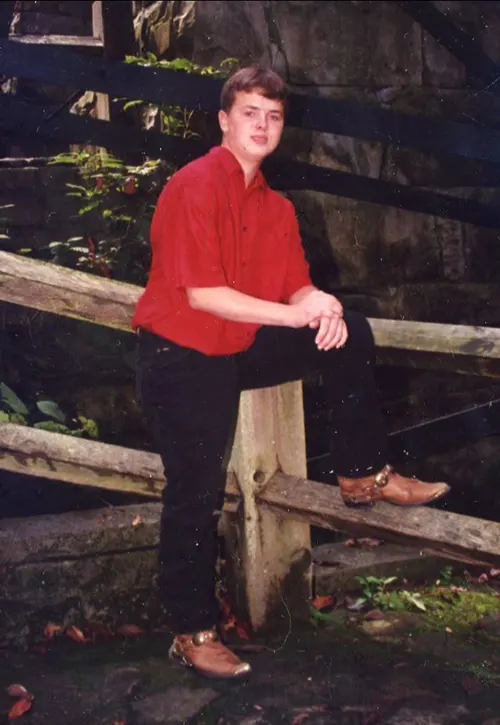
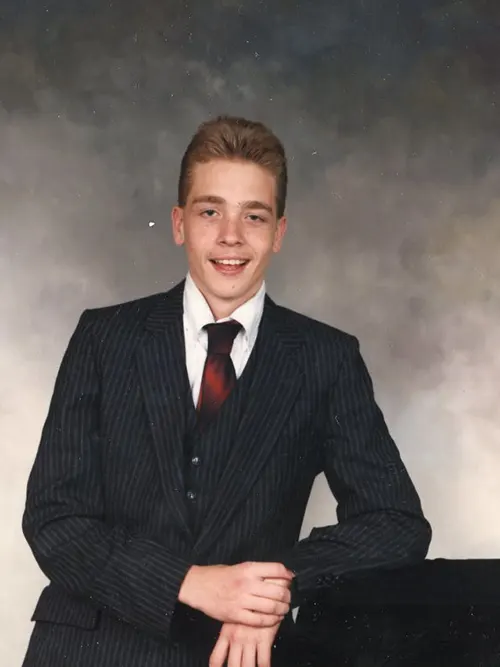
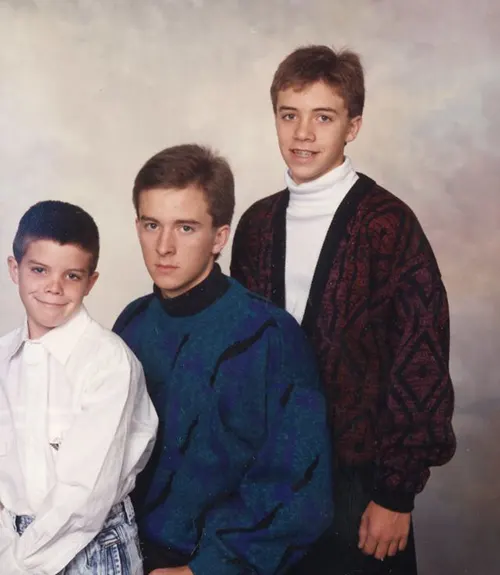
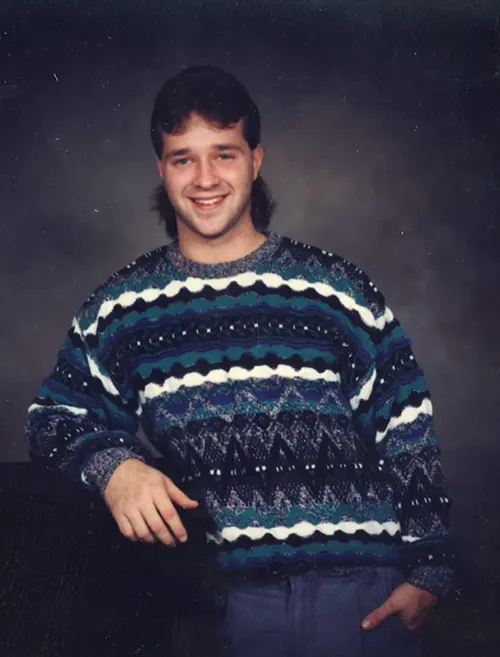
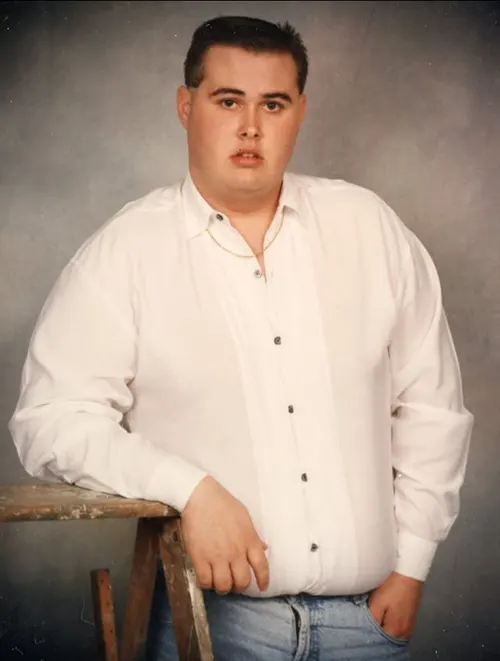
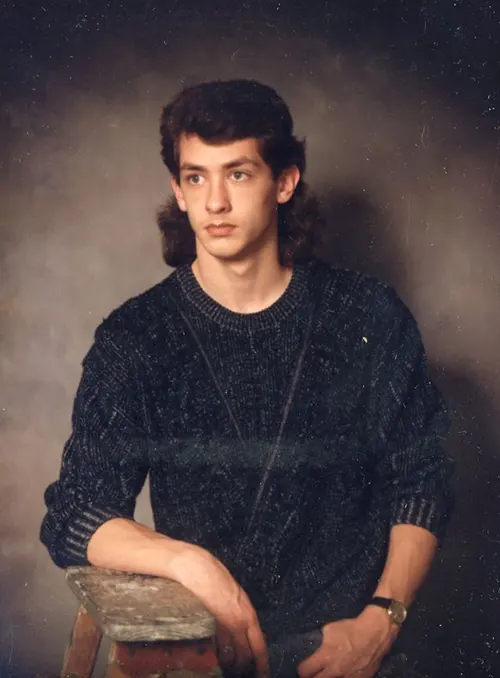
These portraits are something else entirely. They show what regular young men actually pulled out of their closets on an ordinary day, and the difference is striking.
The early 1990s occupied a strange and interesting middle ground in men’s fashion. The decade had not yet fully committed to its own identity, still shaking off the louder excesses of the 1980s while quietly building something new.
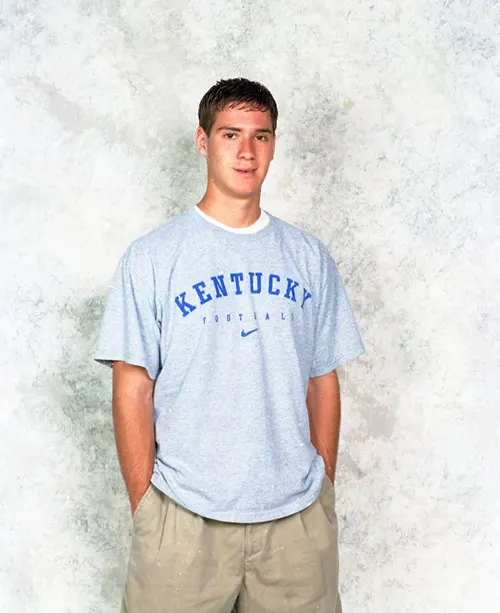 What emerged was a style that felt unforced and lived-in, shaped not by runways but by neighborhoods, school hallways, and weekend hangouts.
And studio portraits, of all things, captured it more honestly than anything else from that period. Clothing ran loose and comfortable across the board.
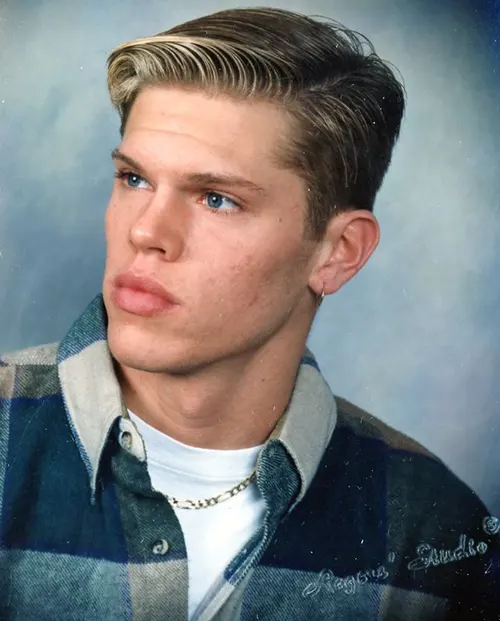
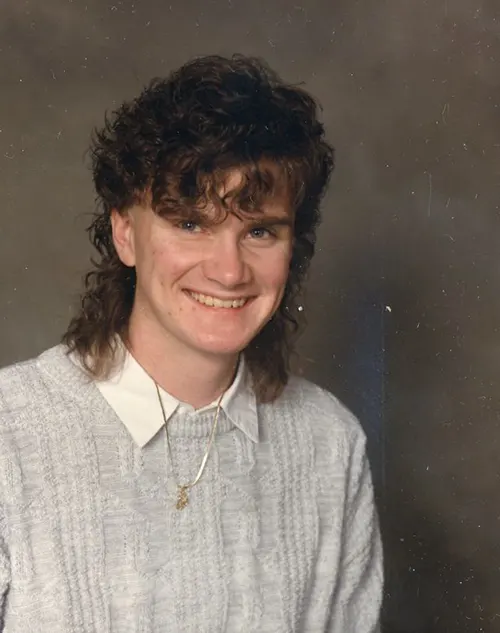
Oversized flannel shirts worn open over a plain tee were practically a uniform, as were chunky knit sweaters in earthy tones and graphic sweatshirts bearing the names of sports teams, universities, or brands that carried real meaning to the person wearing them. Layering was instinctive rather than calculated.
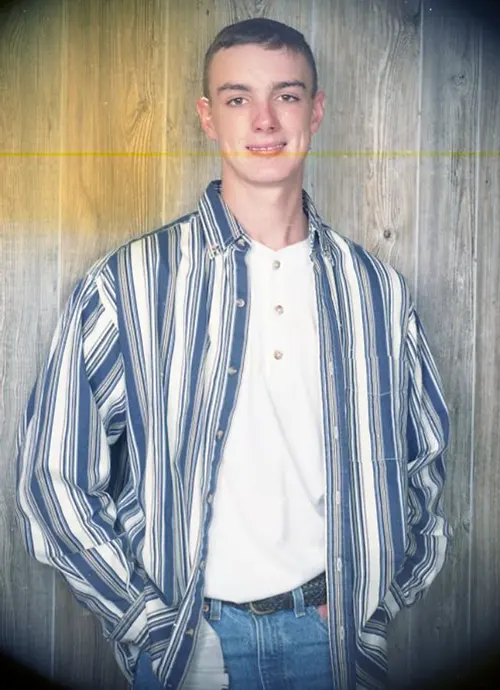 A hoodie under a denim jacket, a long-sleeve shirt beneath a short-sleeve one, these combinations were not styled, they were just how guys got dressed in the morning.
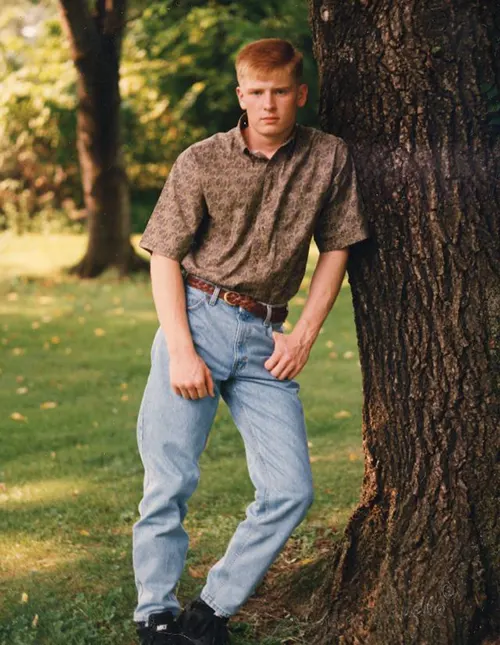
Denim anchored nearly every outfit. High-waisted jeans in medium or light washes sat straight on the leg, sometimes tapered slightly toward the ankle, worn with the kind of casual confidence that comes from not thinking too hard about it.
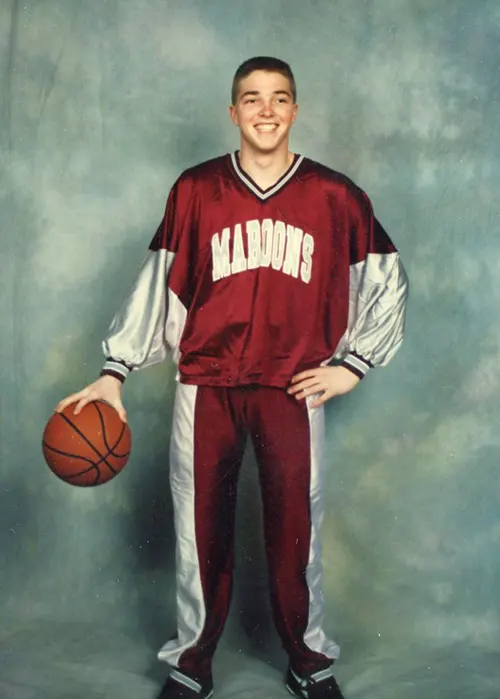 Denim jackets layered over everything were equally common, sometimes doubled up with more denim below in a head-to-toe combination that somehow worked completely.
Plaid made constant appearances too, on flannel shirts, shorts, and baseball caps, carrying a relaxed, unpretentious energy that felt very much of its time.
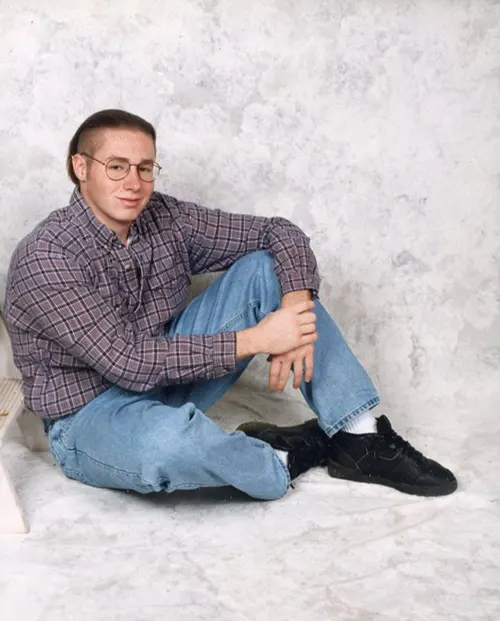 The color story of early 1990s male fashion was deliberately subdued. Olive, burgundy, navy, warm tan, and washed-out gray formed the backbone of most wardrobes.
When brighter colors did show up, they arrived in solid blocks on windbreakers and athletic jackets, bold without being loud, confident without trying too hard.
The overall palette had a warmth and softness to it that reads today as deeply, unmistakably nostalgic.
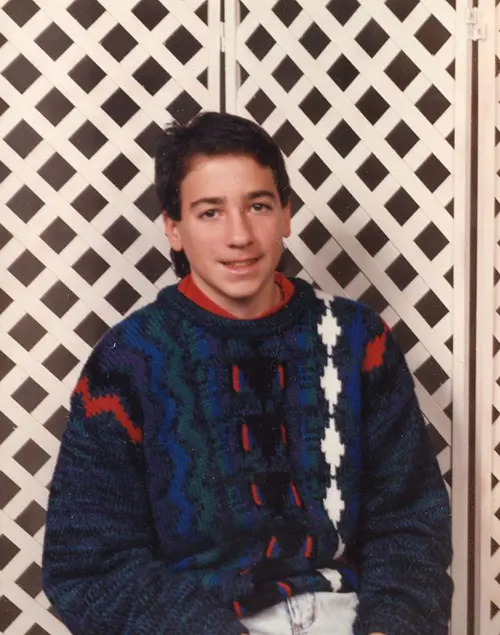 Footwear completed the picture in quietly telling ways. Clean white sneakers were a constant, worn with everything from jeans to athletic shorts.
Chunky-soled skate shoes showed up on younger guys, and the occasional pair of brown work boots grounded an outfit in something more rugged.
Brand logos appeared on shoes and caps but were worn as a natural part of the look rather than the point of it, a distinction that feels significant in hindsight.
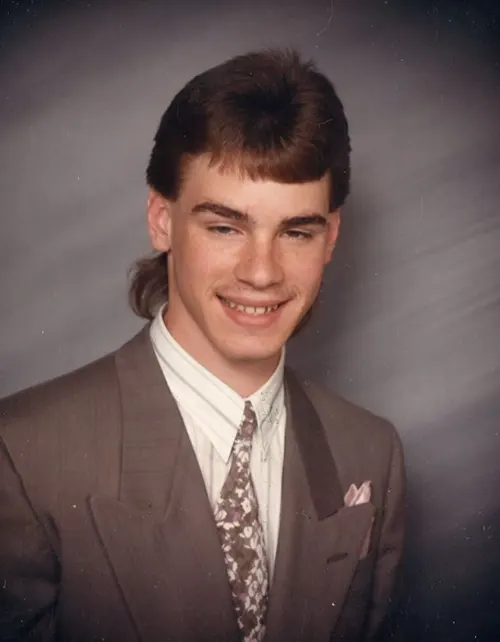
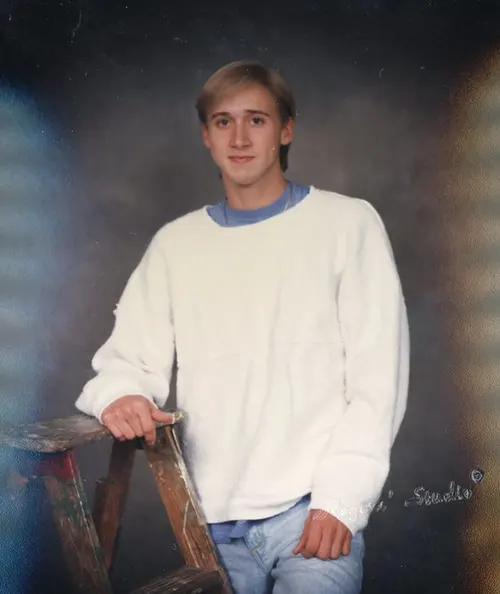 Hair is where these portraits become almost instantly dateable. The center-part curtain cut, swept loosely to each side and falling just above the brow, was the dominant style for teenage boys and young men alike.
Longer hair tucked behind the ears was common, and for younger kids, bowl cuts and side-swept fringes filled in the rest. There was very little product involved.
Hair looked natural, slightly unsettled, like someone had run a hand through it on the way out the door and called it done.
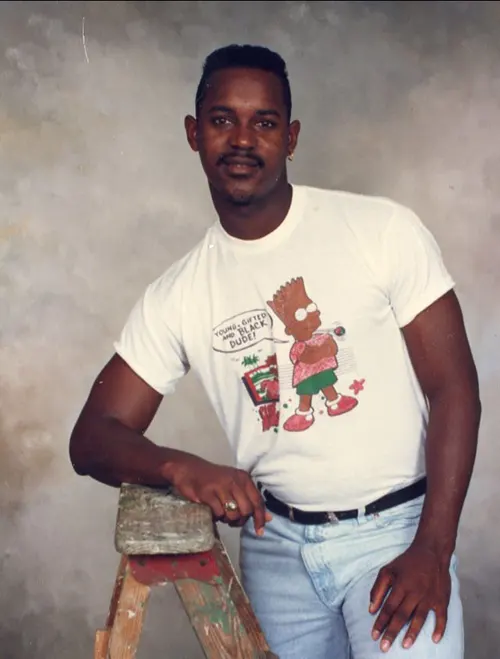 Seen today, these images offer more than nostalgia. They provide a clear window into how everyday style evolves, shaped by culture, environment, and personal expression.
The early 1990s stand out as a moment when fashion became less about following strict trends and more about adapting them to fit individual lives.
In these studio portraits, that shift is visible in every detail, from the cut of a jacket to the way a shirt is worn, capturing a style that feels both specific to its time and surprisingly familiar.




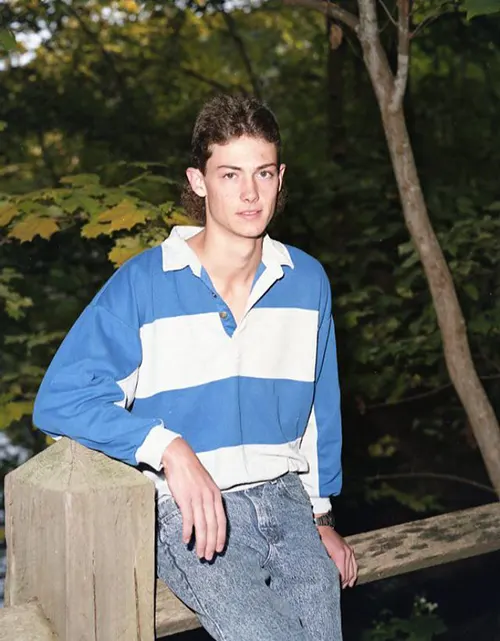
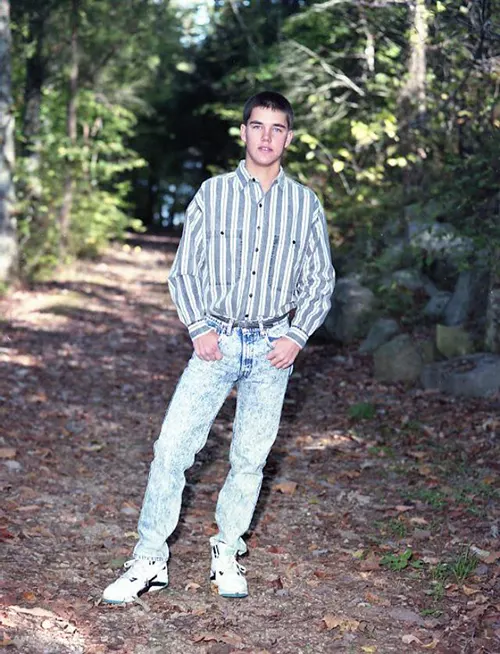
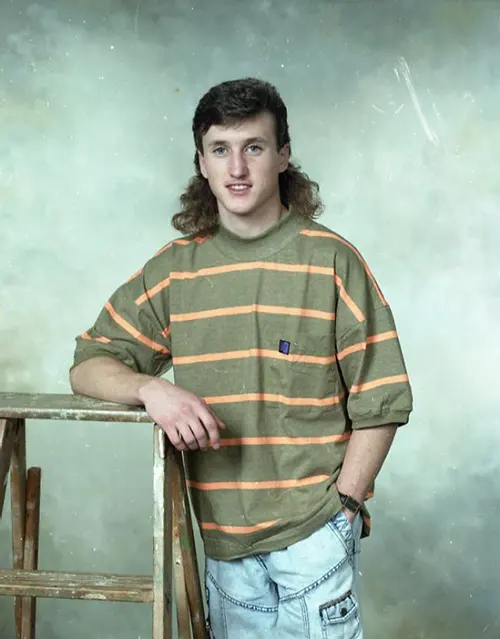
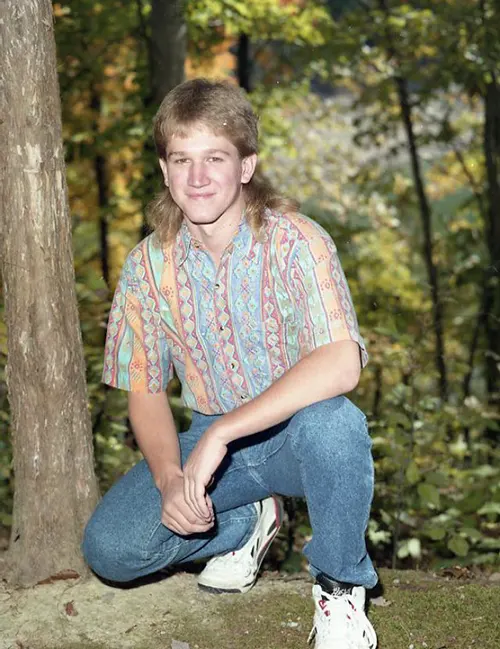
(Photo credit: Flickr).