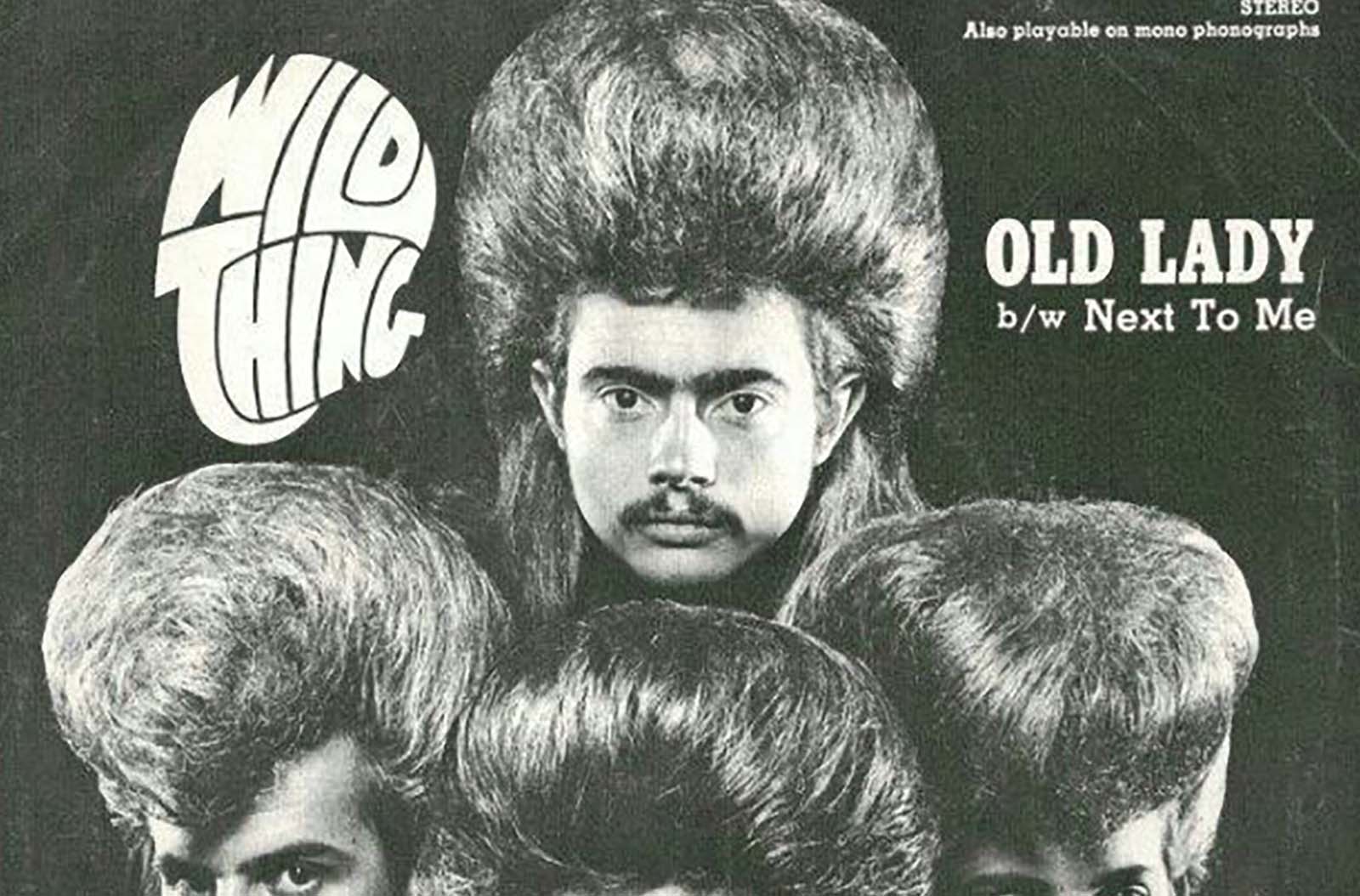
 Record store shelves once told stories long before anyone dropped a needle on vinyl. A cover was an artist’s first impression, a single image meant to stop browsers mid-flip and pull them toward the turntable.
Between the 1970s and the 1990s, that impulse produced some genuinely brilliant design work, alongside a wave of album art so strange it feels almost fictional today.
Musicians posed with props no stylist would approve, illustrators chased concepts that made sense only inside their own imaginations, and labels somehow signed off on it all without a second thought.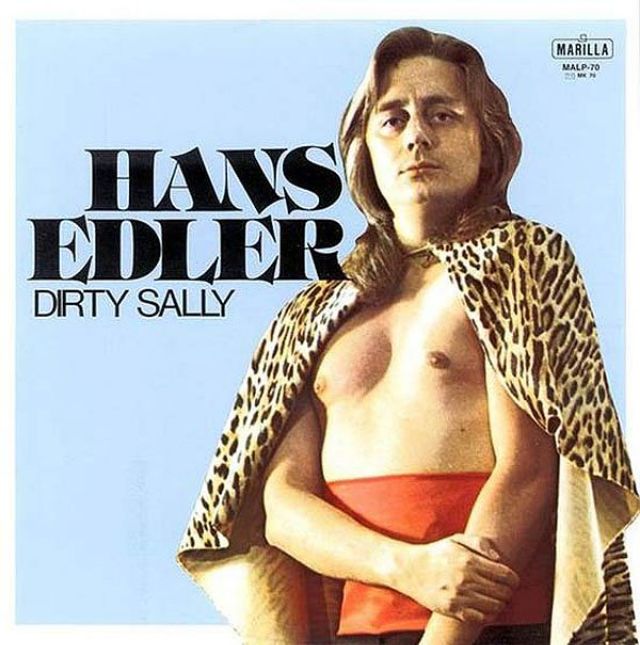 The result is a corner of music history that has aged into pure entertainment, proof that creative ambition does not always translate into good judgment.
A handful of covers from this era have earned near-legendary status among collectors, and for good reason.
Soul singer Swamp Dogg’s 1971 release features him sitting on a giant laboratory rat, a choice that remains as baffling today as it was when it first hit record store shelves.
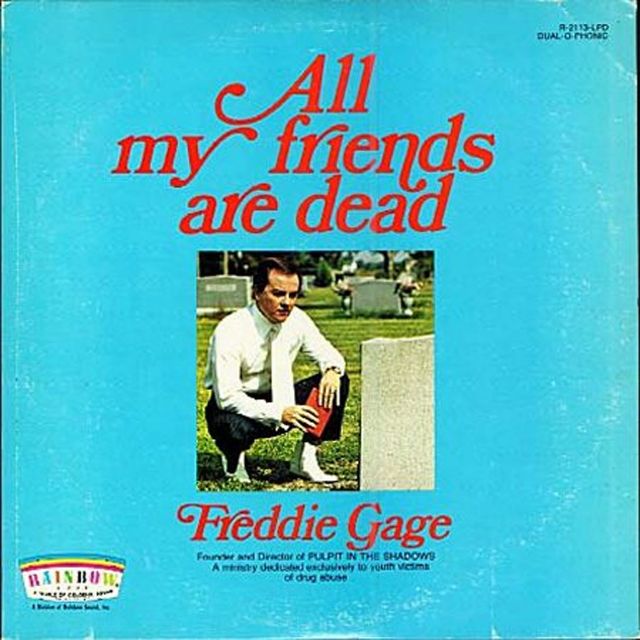 Progressive rock group Genesis went in a darker direction with their 1971 album, designed around imagery of dolls being struck, based directly on themes from the songs themselves.
It is the kind of concept that made sense to the artists involved and almost no one else.
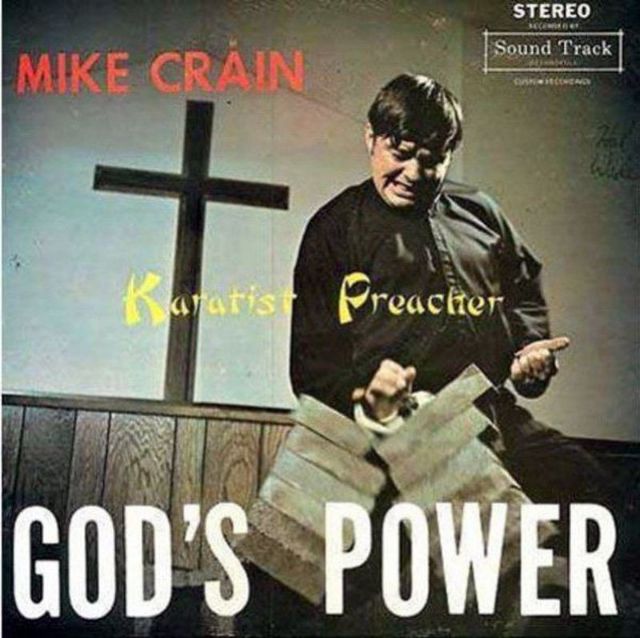
Electronic musician Aphex Twin took things a step further later in the decade, releasing artwork in 1997 that placed his own face onto the bodies of children, producing an image far more unsettling than anything typically found in dance music packaging.
Around the same period, experimental jazz outfit Naked City built a reputation for cover art so graphic that record stores occasionally refused to stock it, cementing their status as one of the era’s most confrontational visual acts.
 Not every strange cover leaned toward disturbing. Some simply missed the mark through sheer earnestness.
British instrumental group Penguin Café Orchestra built an entire visual identity around human and penguin hybrid characters going about ordinary daily routines, an idea that stayed consistent across releases without ever quite explaining itself.
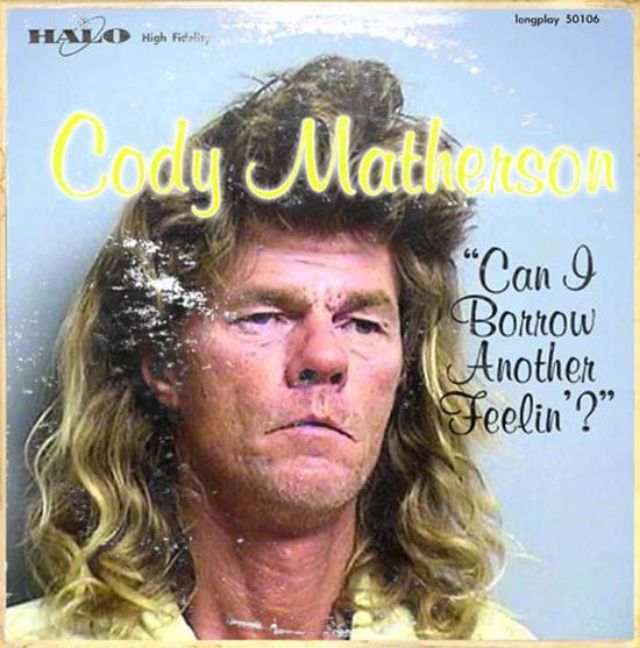
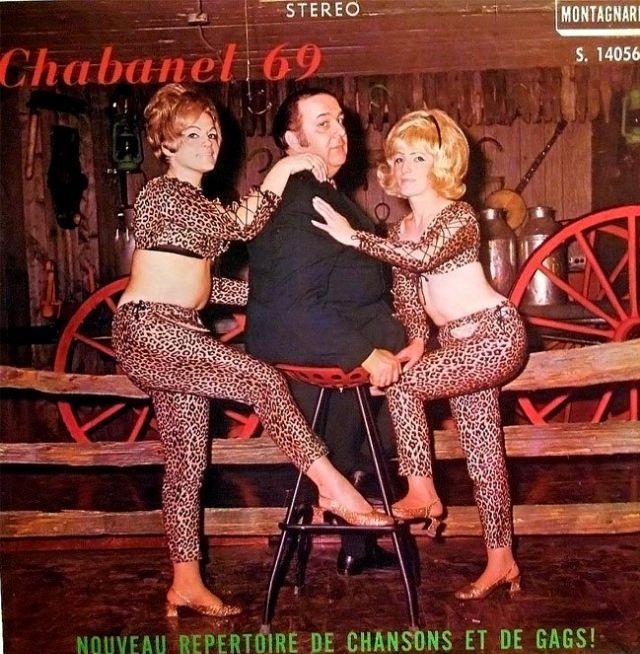
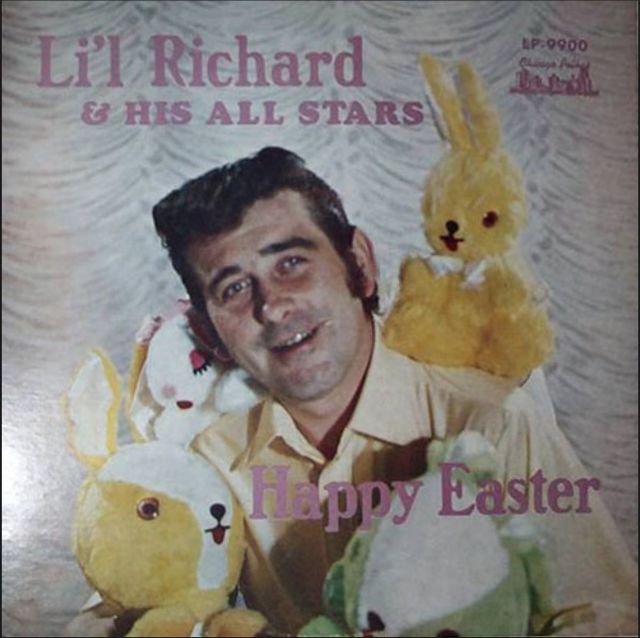
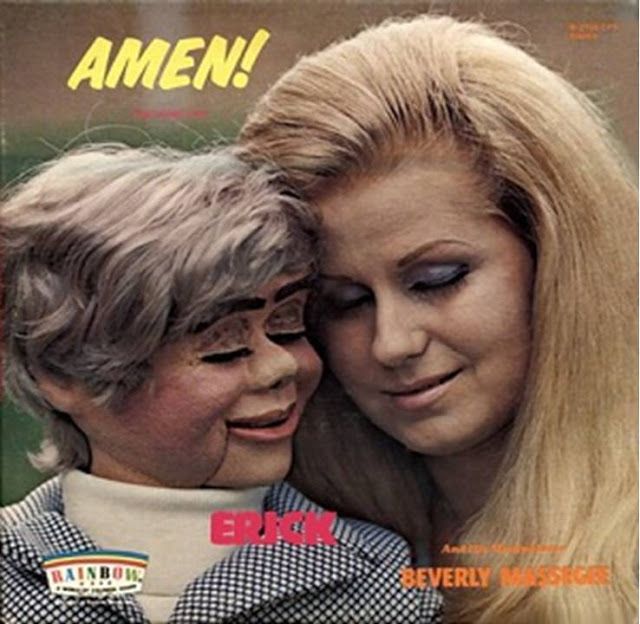
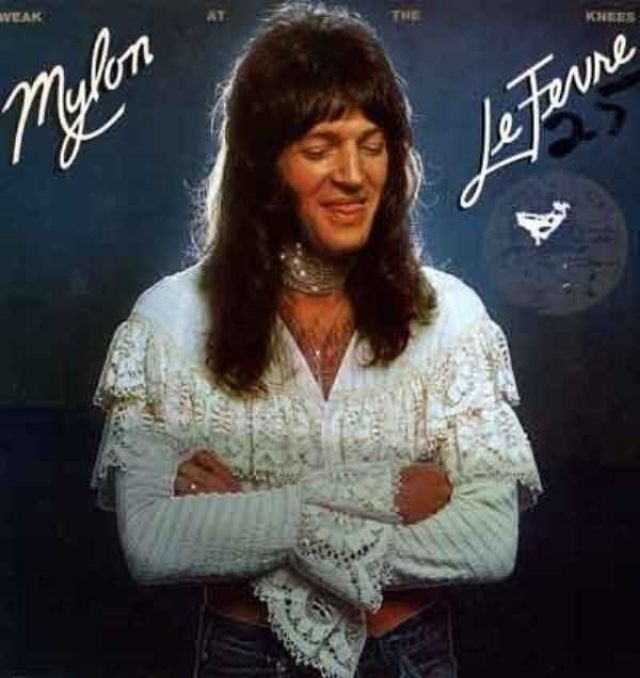
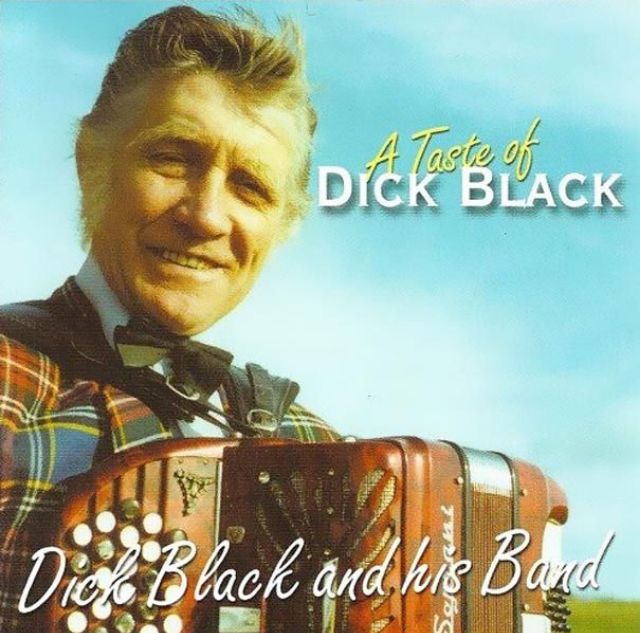
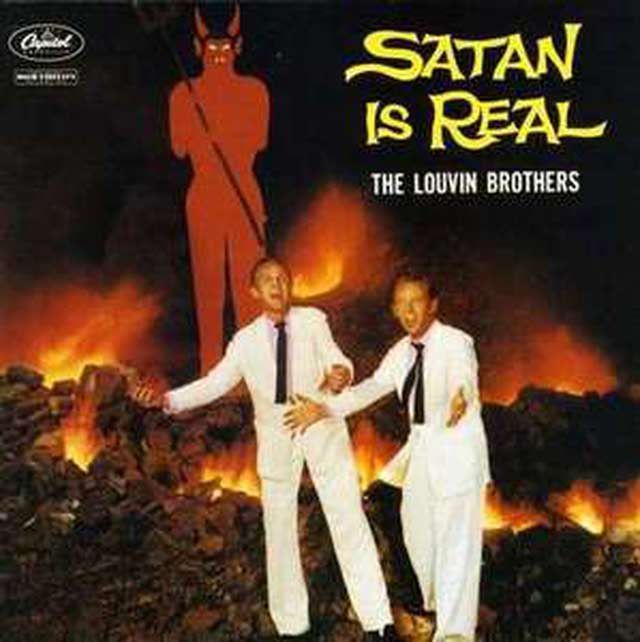
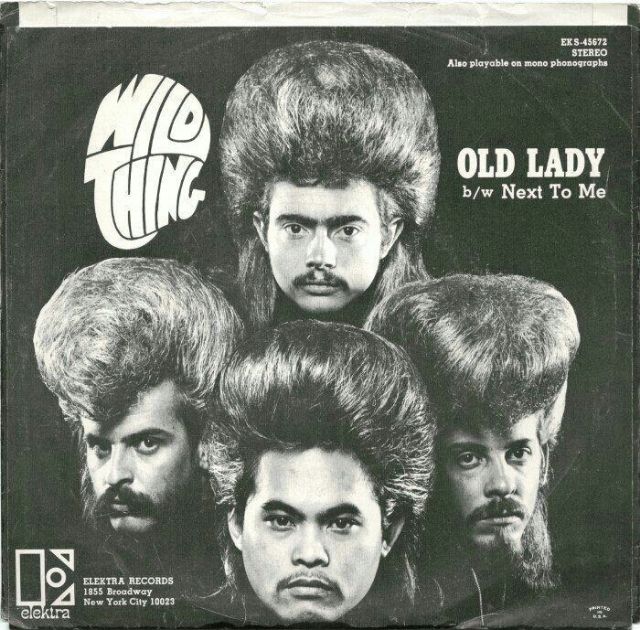
Elsewhere, entire compilations have been dedicated to tracking down the strangest examples from this stretch of music history, with one long-running countdown project describing the genre as full of questionable, unbelievable, and even shocking artwork that has become a fixture of music media over the decades. Fashion choices caused just as much damage as concept work. Musicians photographed in ill-fitting costumes, awkward poses, or outfits clearly assembled without outside input turned up across genres, from soft rock to disco to early metal.
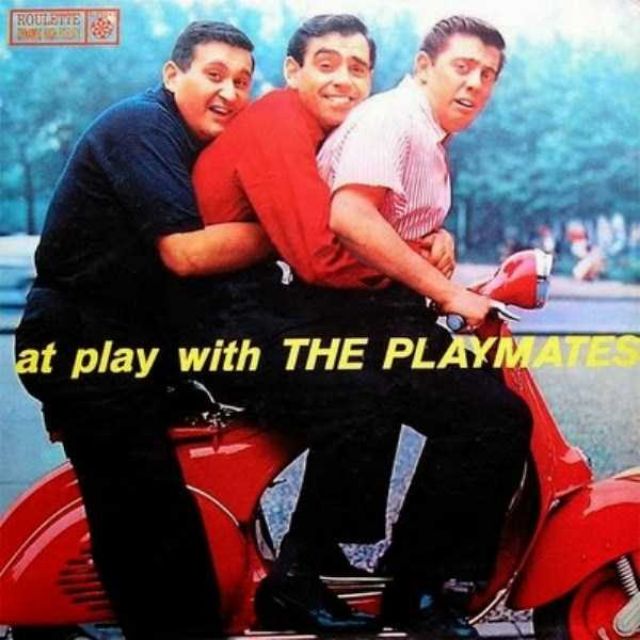
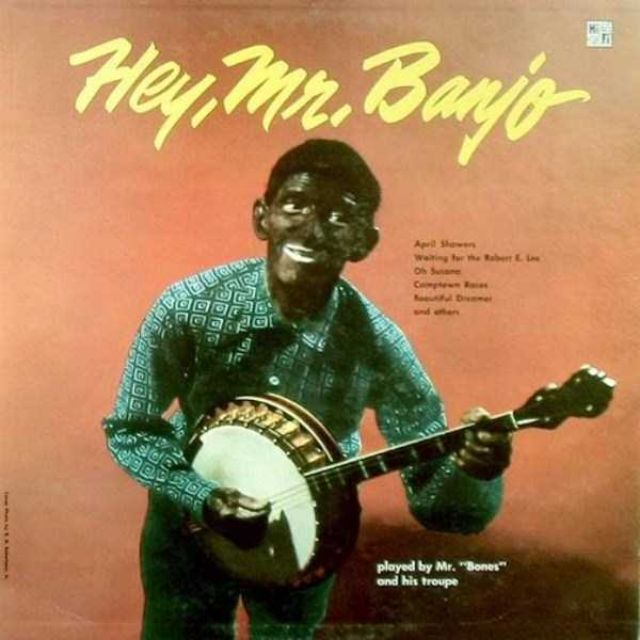
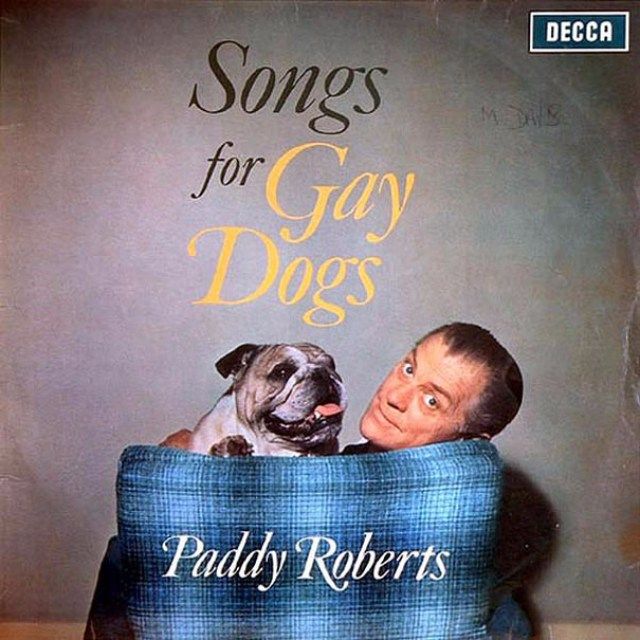
Budget constraints made things worse. Independent labels and lesser-known acts frequently worked with amateur photographers or makeshift studio setups, and the results often looked more like family photo mishaps than professional album packaging.


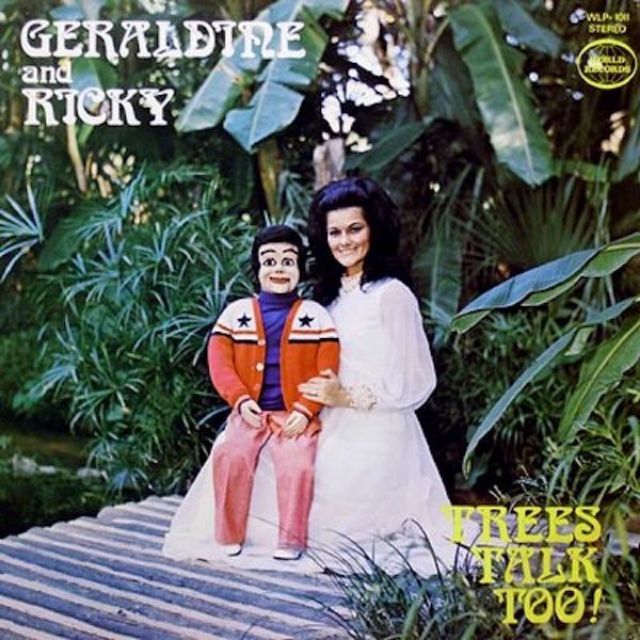
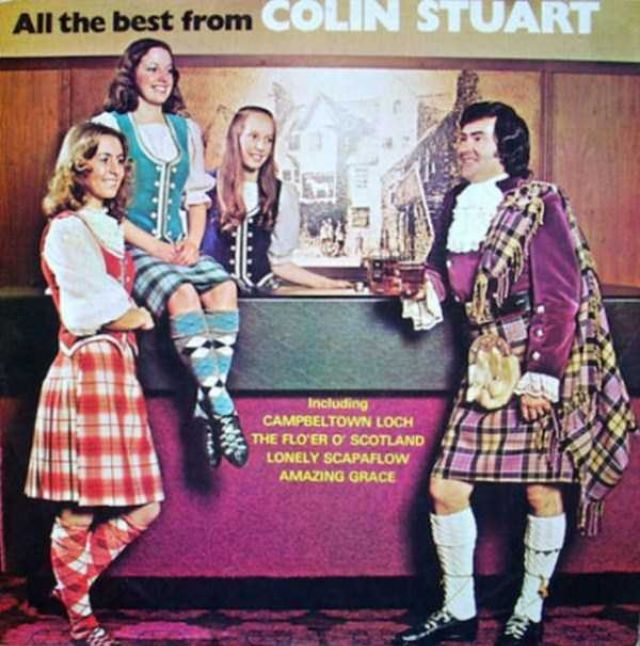
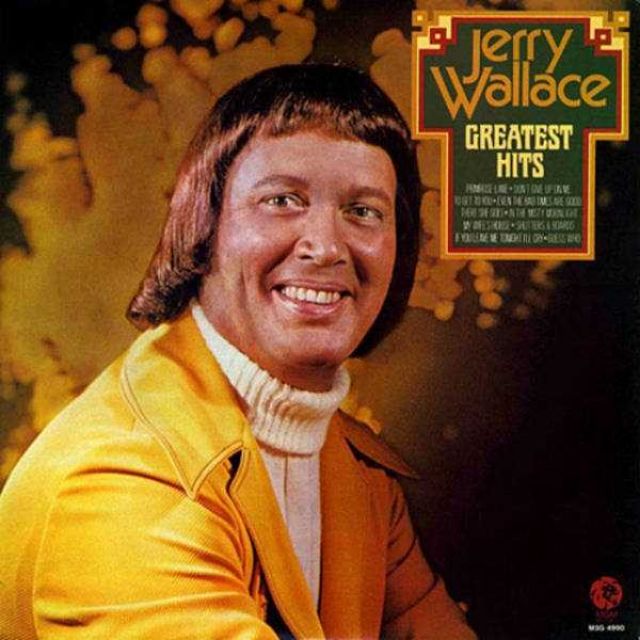

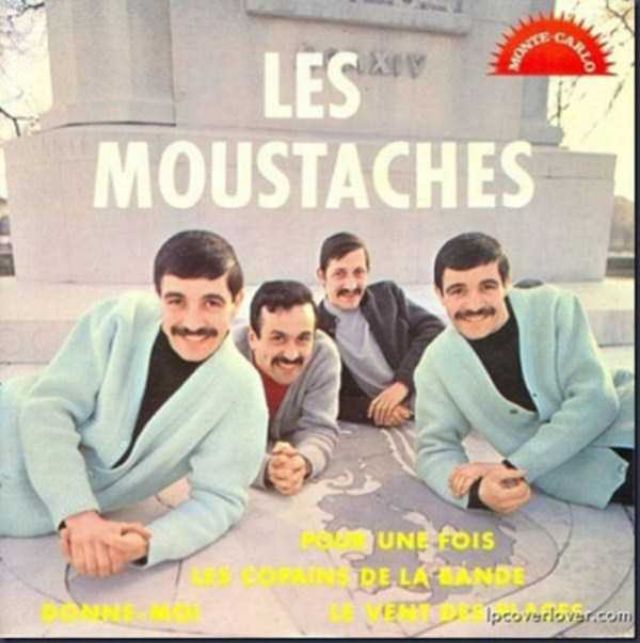
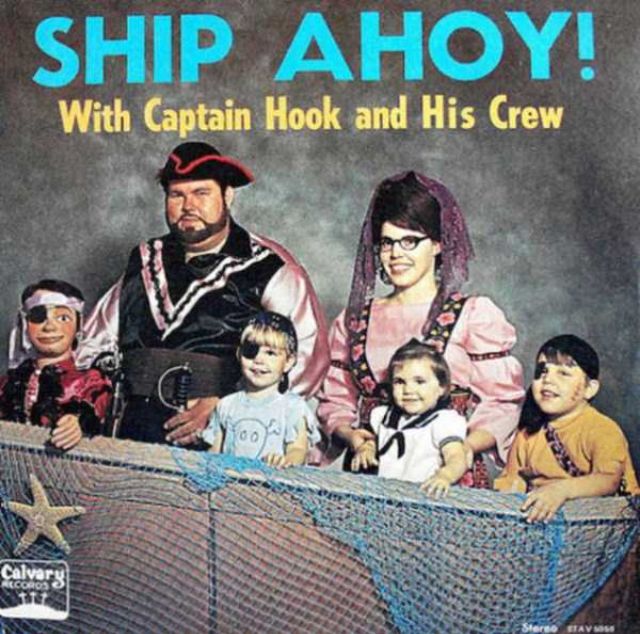
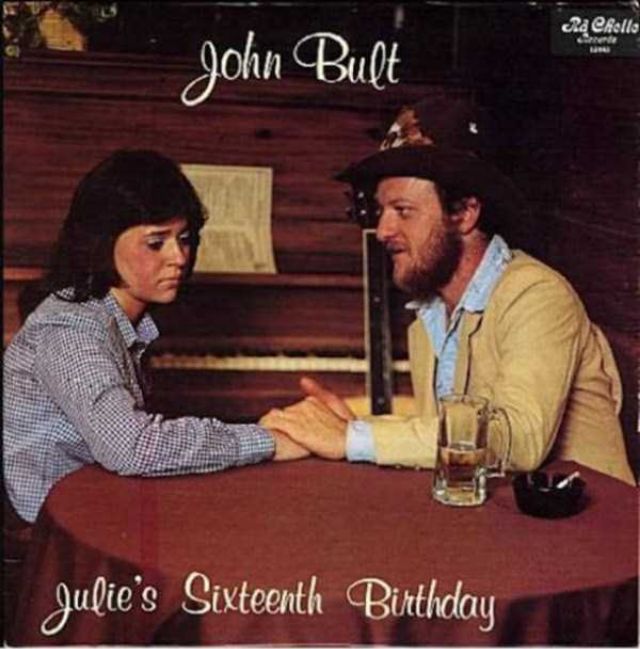
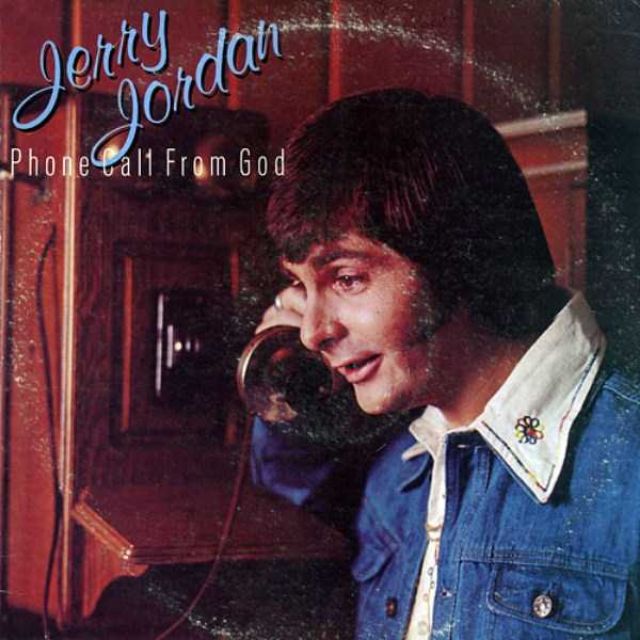

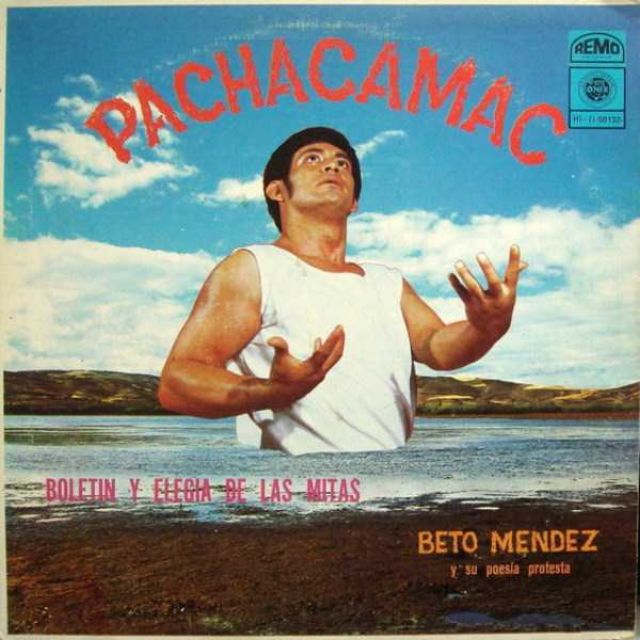


(Photo credit: Flickr / Pinterest).