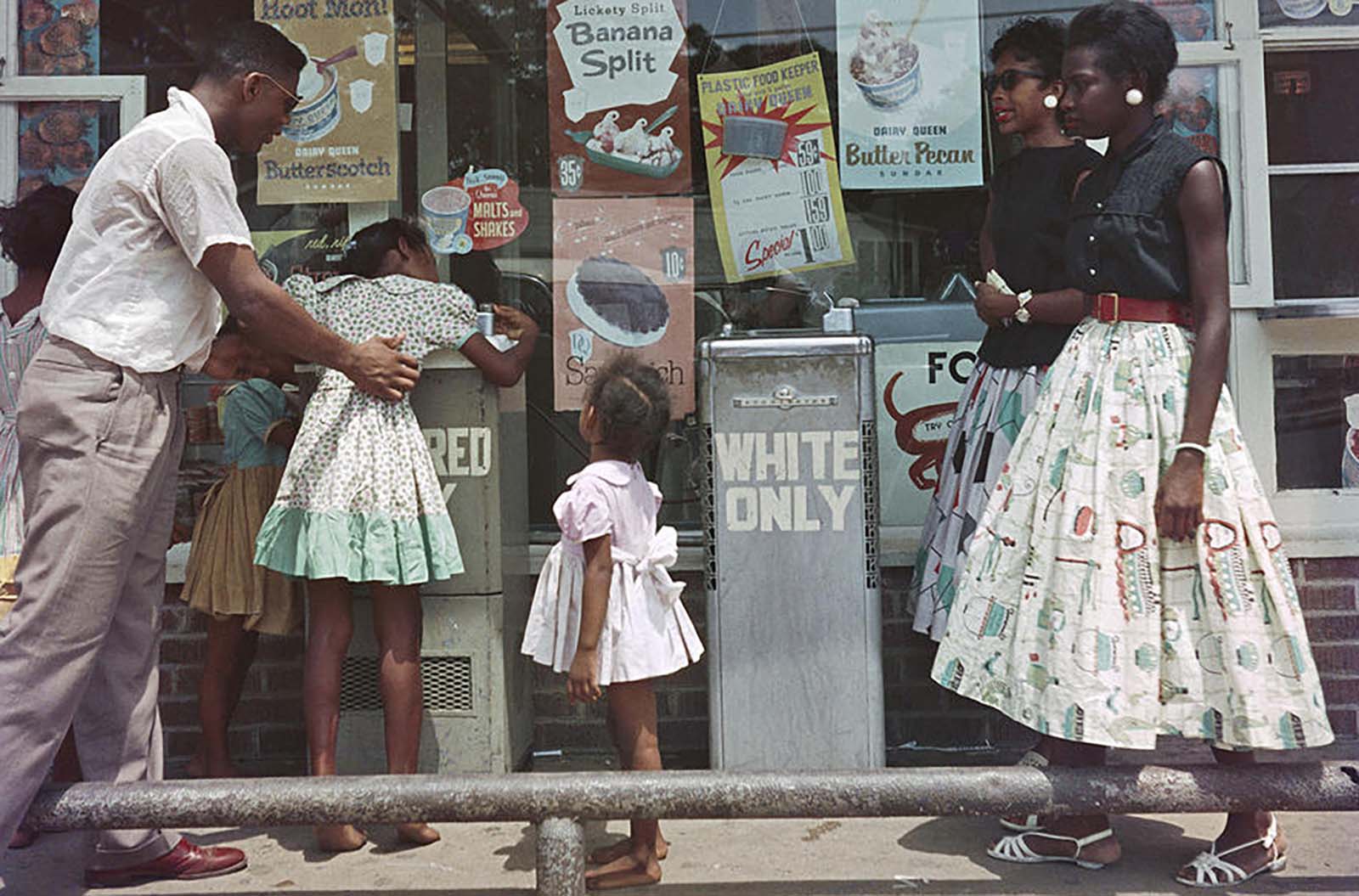
 The American South of the 1950s was shaped by a system of racial segregation that governed nearly every aspect of daily life.
Under Jim Crow laws, Black Americans faced discrimination in schools, public transportation, housing, workplaces, and countless other settings.
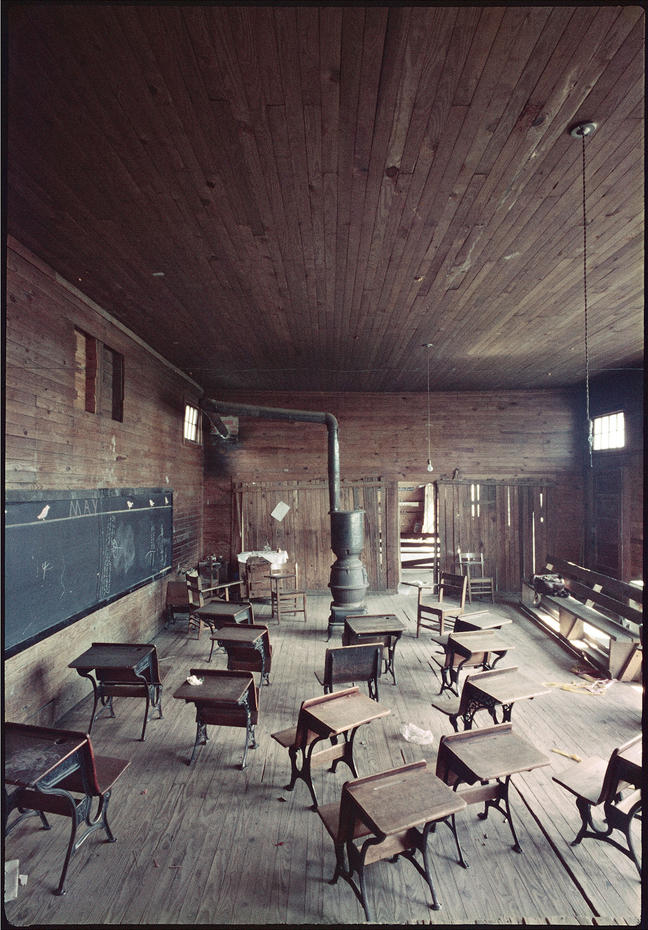
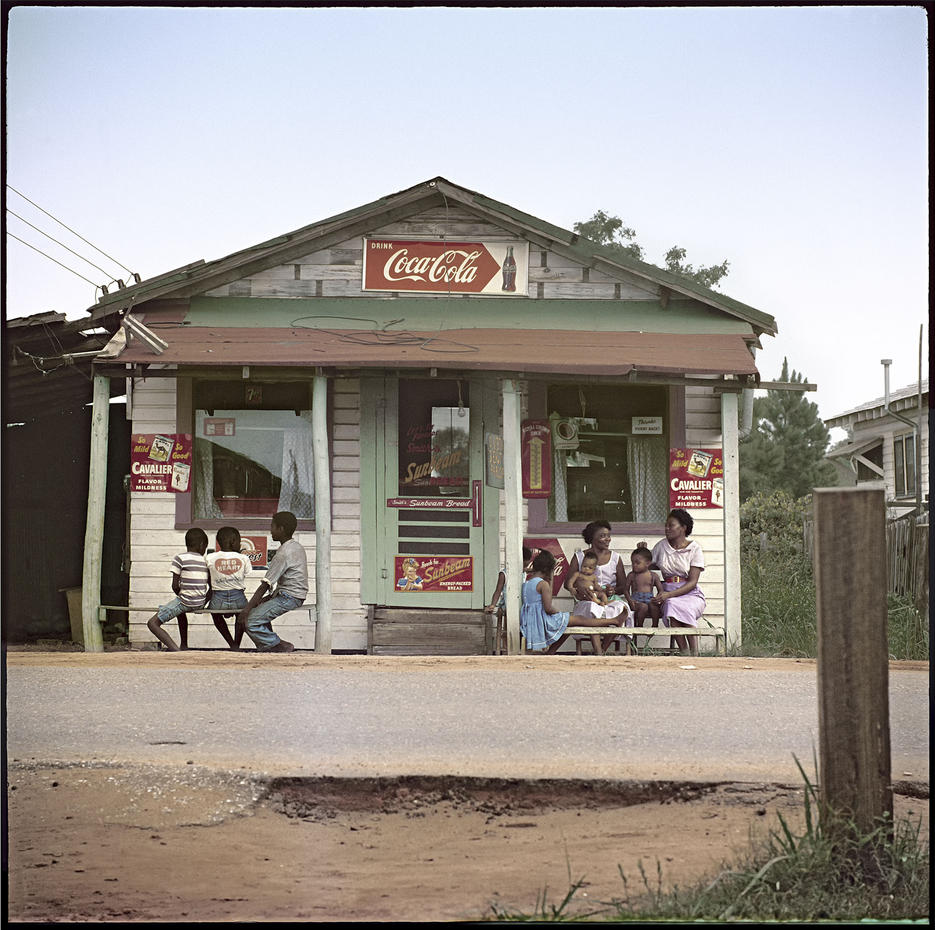
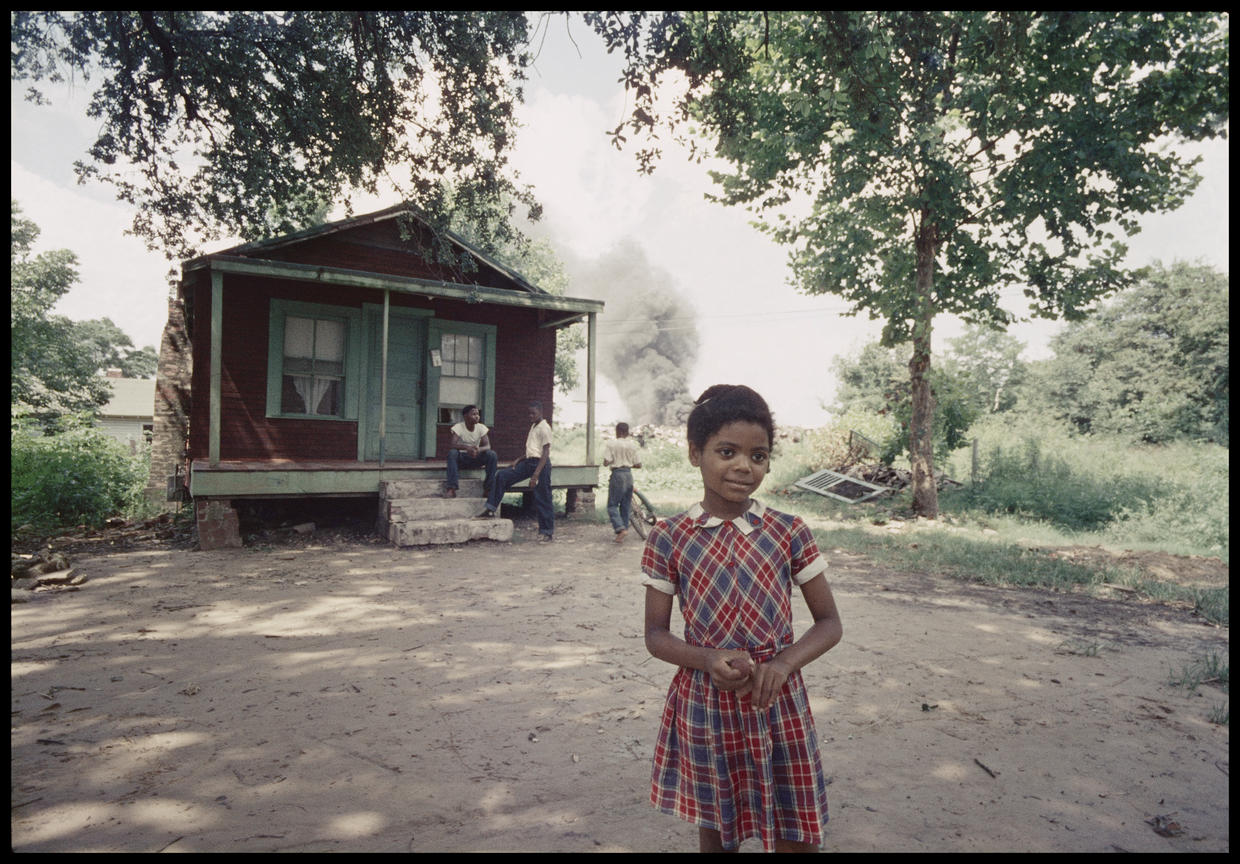
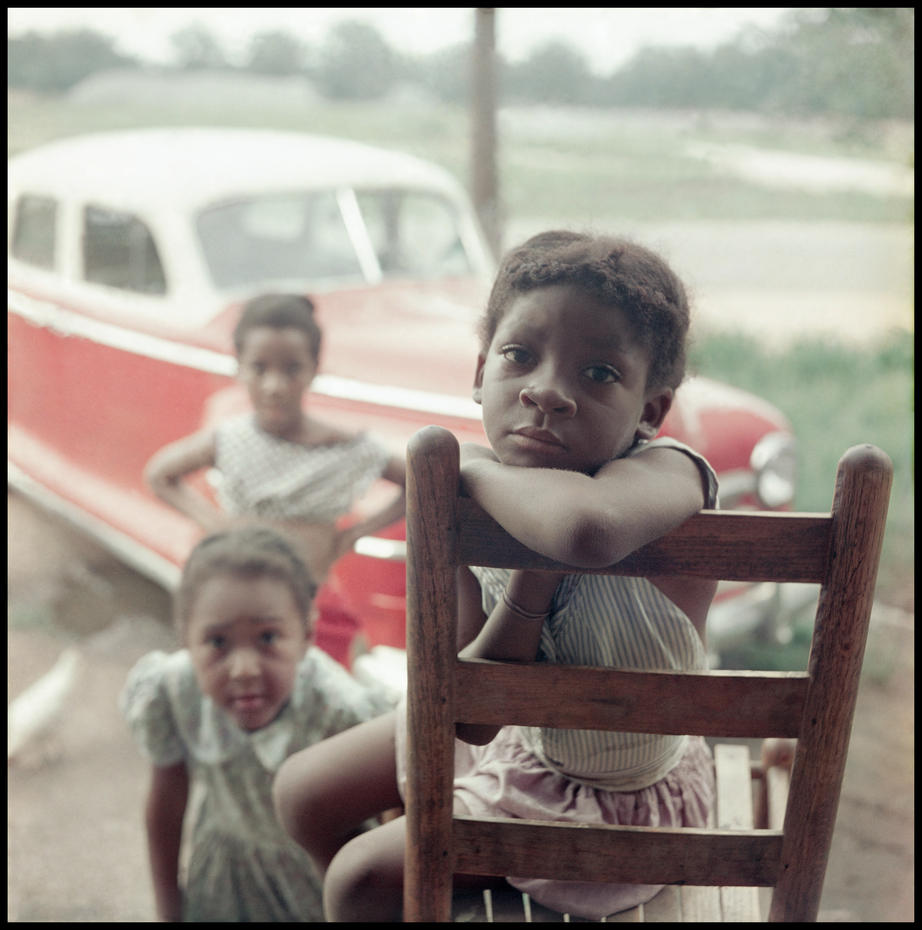
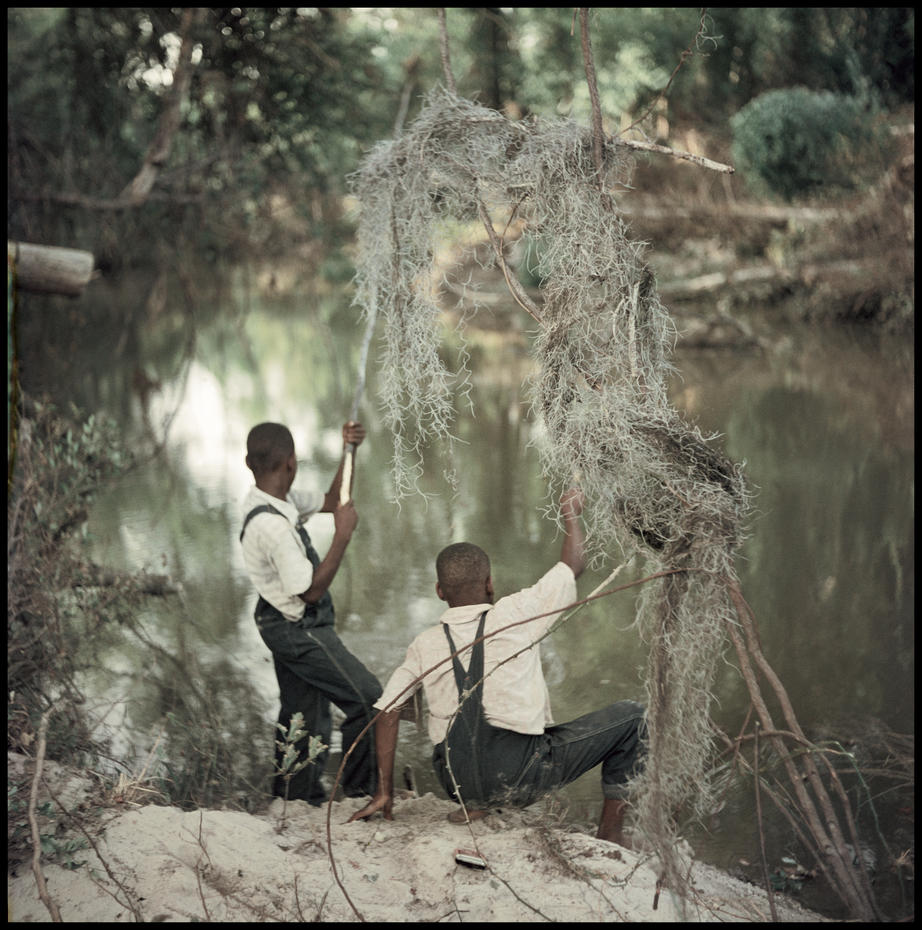
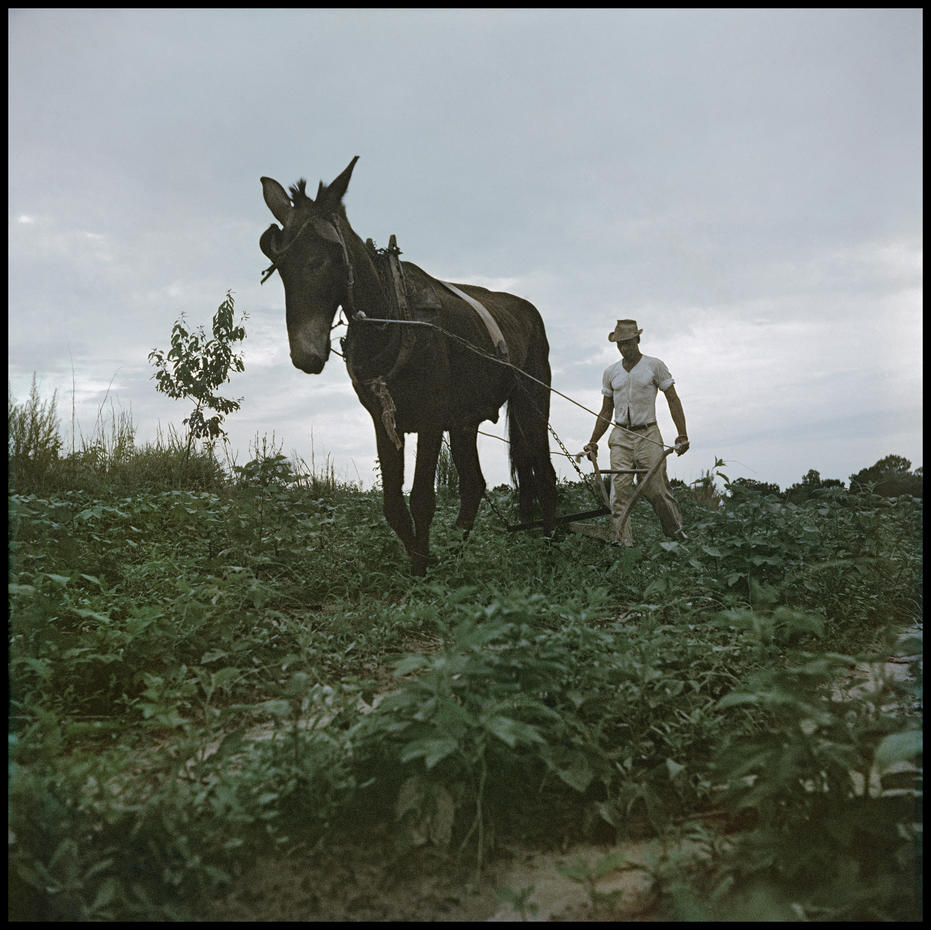
Two assignments for LIFE magazine, carried out by photographers Gordon Parks in Alabama and Margaret Bourke-White in South Carolina, documented this deeply divided society from different perspectives.
Their photographs offer a rare color record of the people, communities, and attitudes that defined the era, revealing how segregation extended far beyond the headlines and into ordinary life.

Gordon Parks Documents Segregation in Alabama
In 1956, LIFE magazine sent photographer Gordon Parks to Alabama to document the realities of segregation. Accompanied by writer
Robert Wallace, Parks spent time with three Black families, the Thorntons, the Causeys, and the Tanners, recording their homes, work, relationships, and everyday routines.
The assignment resulted in a photo essay titled The Restraints: Open and Hidden, published in September 1956, featuring 26 photographs that offered readers an intimate look at life under Jim Crow.
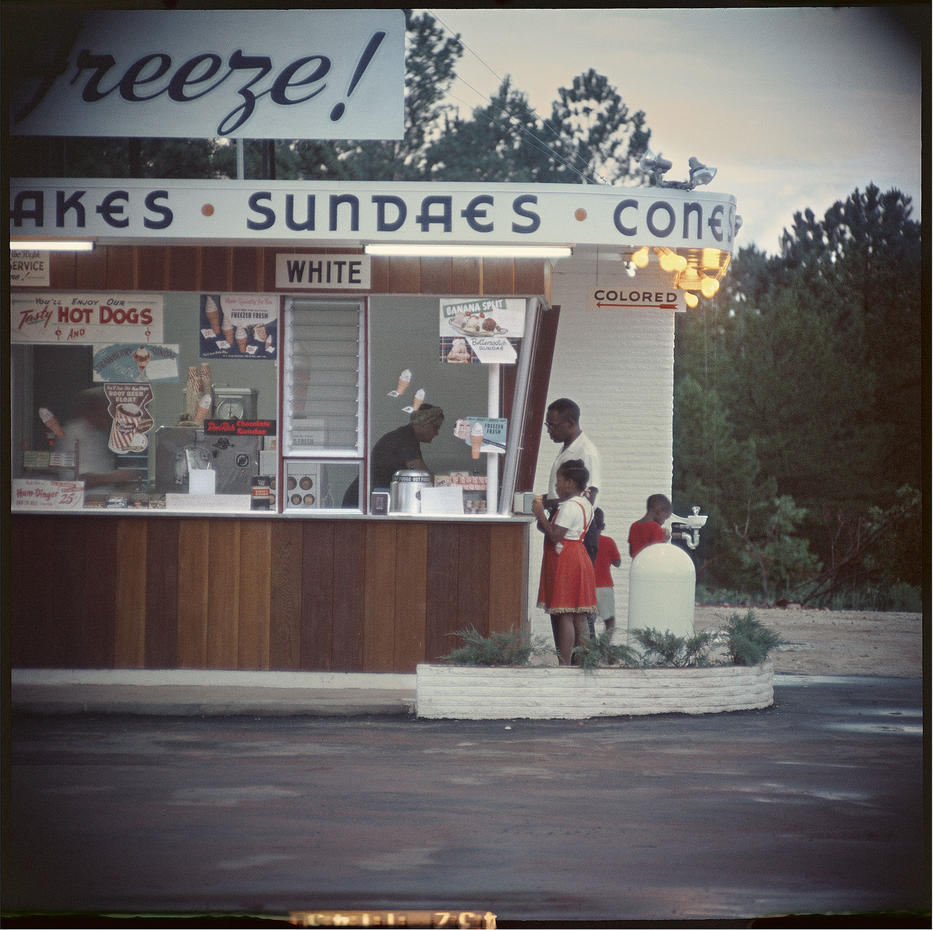 Rather than concentrating on the protests, political confrontations, and racial violence that often dominated coverage of the emerging Civil Rights movement, Parks took a different approach.
He focused on ordinary people going about their daily lives, showing families preparing meals, doing laundry, managing household finances, working, and spending time together.
These seemingly unremarkable moments revealed something much larger: the extent to which racial discrimination shaped even the most personal aspects of life.
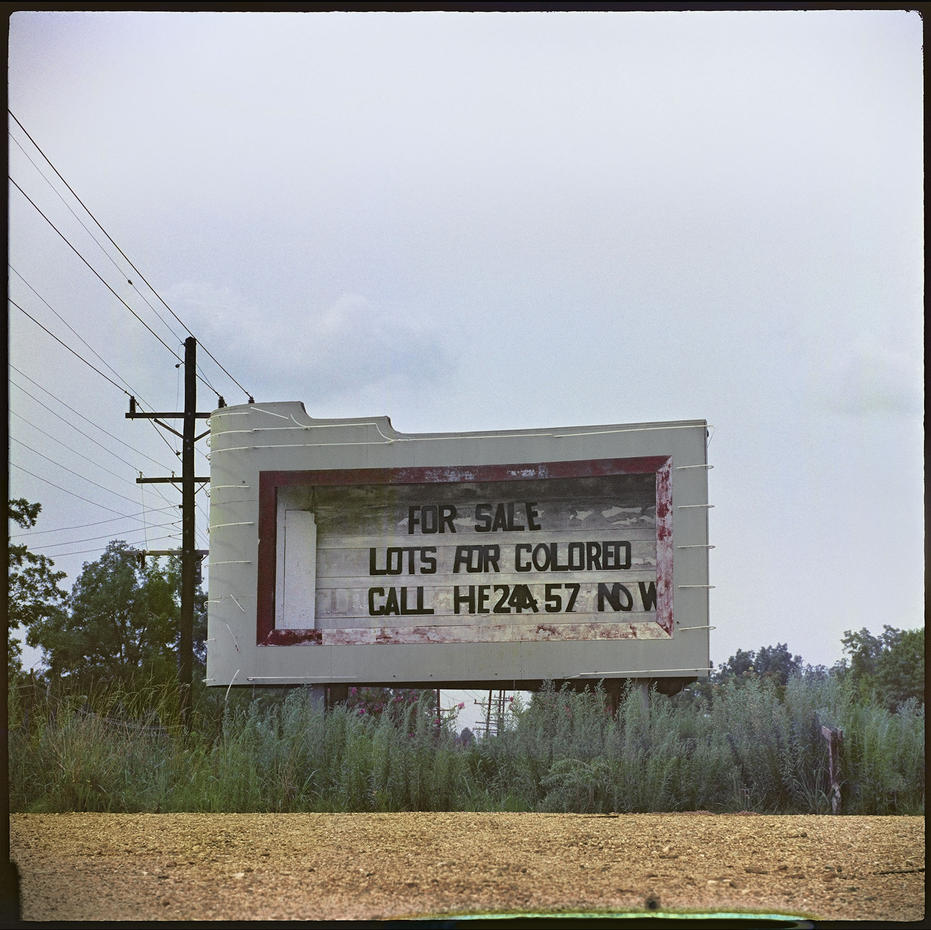 Parks understood that segregation could not be fully explained through laws and public confrontations alone.
Its consequences were also visible in the opportunities denied to Black families, the limitations placed on their ambitions, and the unequal conditions they faced every day.
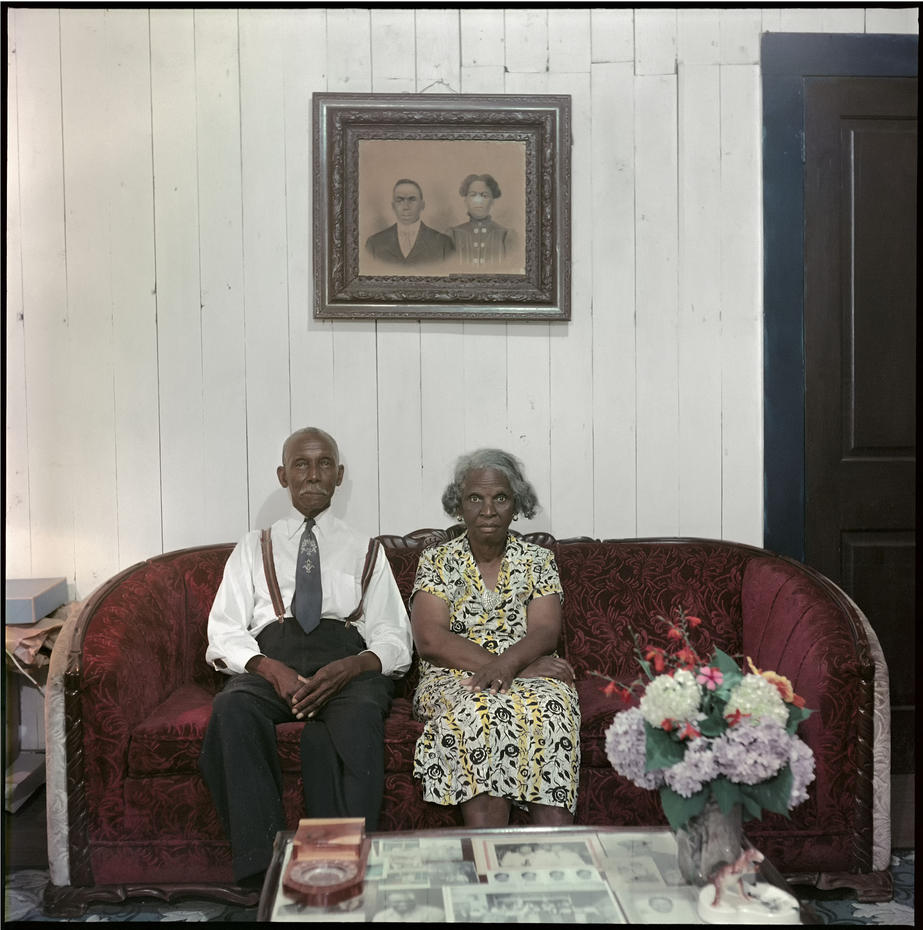
By photographing his subjects with dignity and attention to their individual personalities, he challenged the racial stereotypes that were still widespread in American society.
 The resulting series provided a deeply personal account of a much broader national struggle. Parks did not need to rely on dramatic scenes to communicate the injustice of the system.
Instead, he showed how inequality was woven into everyday existence, affecting where people could go, how they lived, and what possibilities were available to them.
The original LIFE assignment contained far more material than the magazine ultimately published.
 Although 26 photographs appeared in the 1956 article and some of the work was exhibited during Parks’s lifetime, most of the photographs were believed to have been lost.
That changed in 2011, five years after his death, when the Gordon Parks Foundation discovered more than 70 color transparencies in an old storage bin labeled “Segregation Series.”
The previously unseen images were subsequently brought together in The Segregation Story, allowing a much larger portion of Parks’s remarkable documentation of Alabama to reach the public.








Striking Color Photographs Capture Everyday Life in South Carolina in the 1950s (Photos by Margaret Bourke-White)
The second collection takes the story to South Carolina, where segregation was deeply embedded in the state’s social, political, and public life. Following the abolition of slavery, racial divisions persisted through discriminatory customs and practices.
Over time, these arrangements developed into a rigid legal system known as Jim Crow, which restricted African Americans’ rights and reinforced their second-class status.
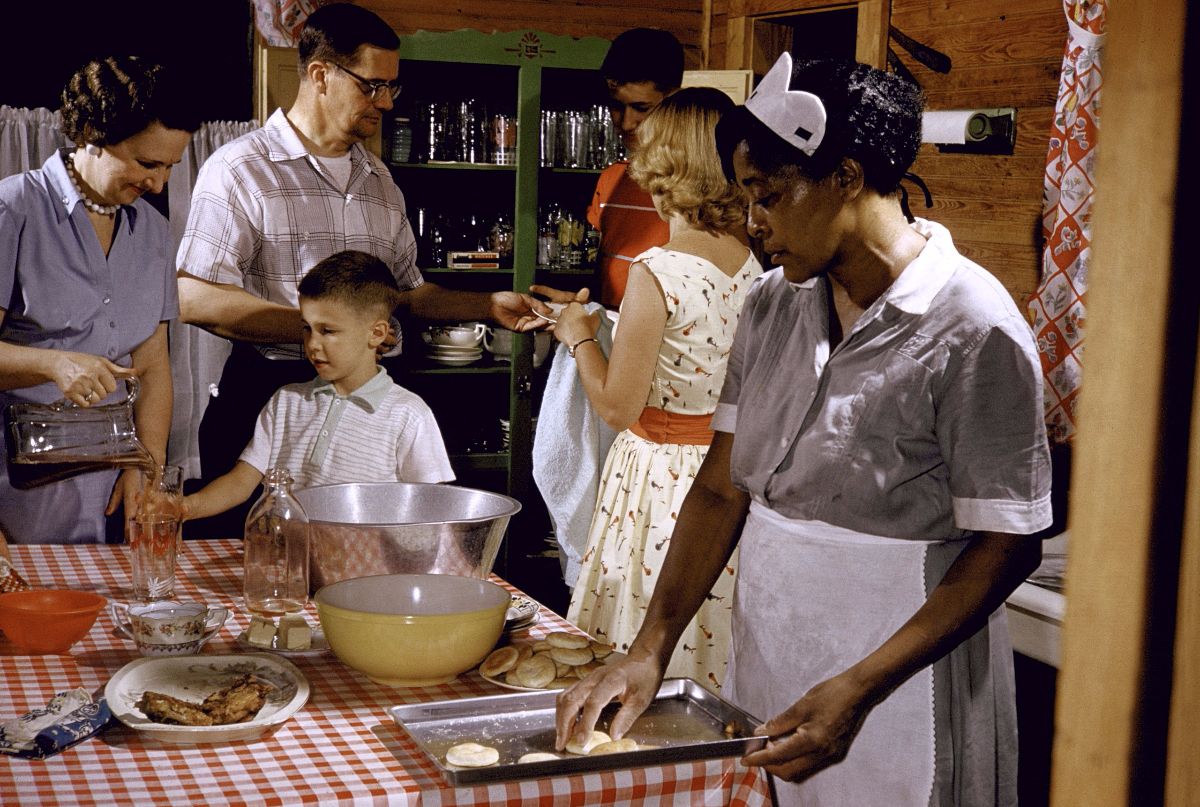
African-American maid prepares a white family’s supper
Segregation extended into schools, neighborhoods, public facilities, transportation, and employment, shaping nearly every part of society.
Black South Carolinians continually challenged these restrictions, but the system remained firmly entrenched throughout the first half of the twentieth century.
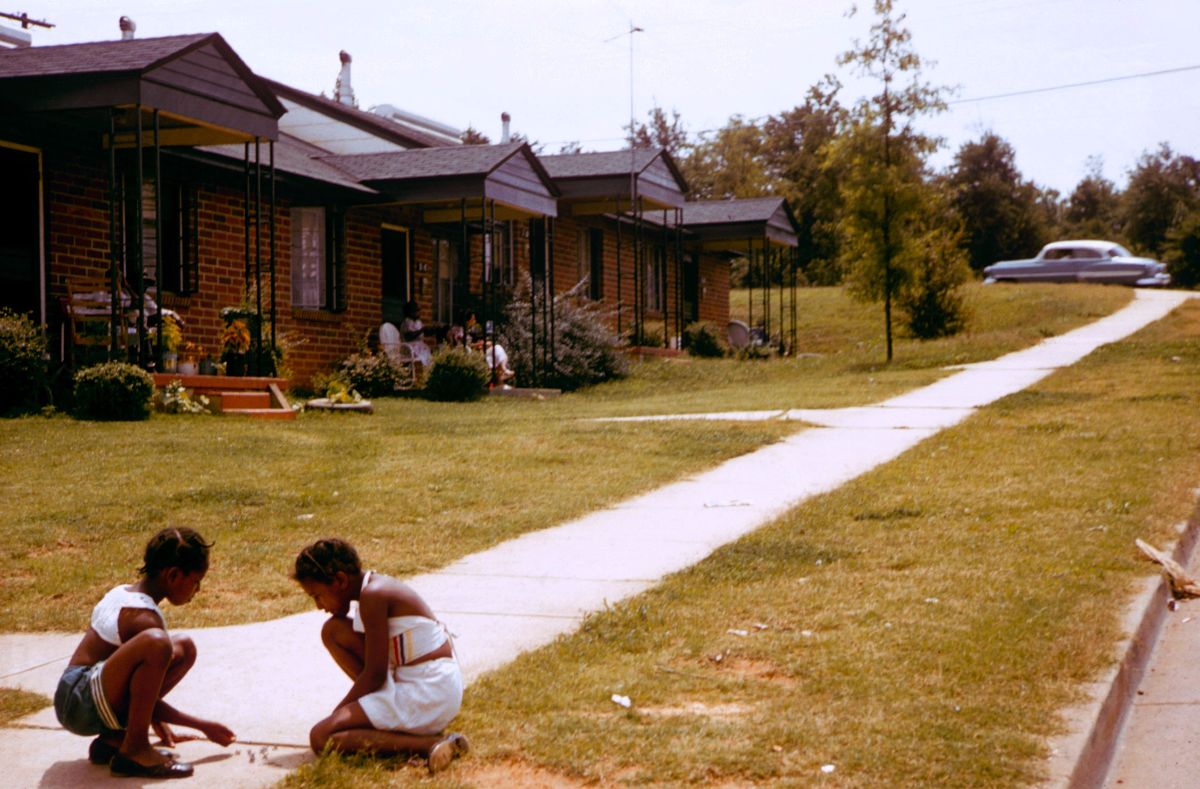
Children play in a segregated neighborhood
In 1954, the Supreme Court’s landmark decision in Brown v. Board of Education declared racial segregation in public schools unconstitutional.
The ruling challenged a central pillar of Jim Crow and intensified an already growing conflict over racial equality.
Across the South, resistance to desegregation became increasingly organized, particularly among white communities determined to preserve the existing racial order.
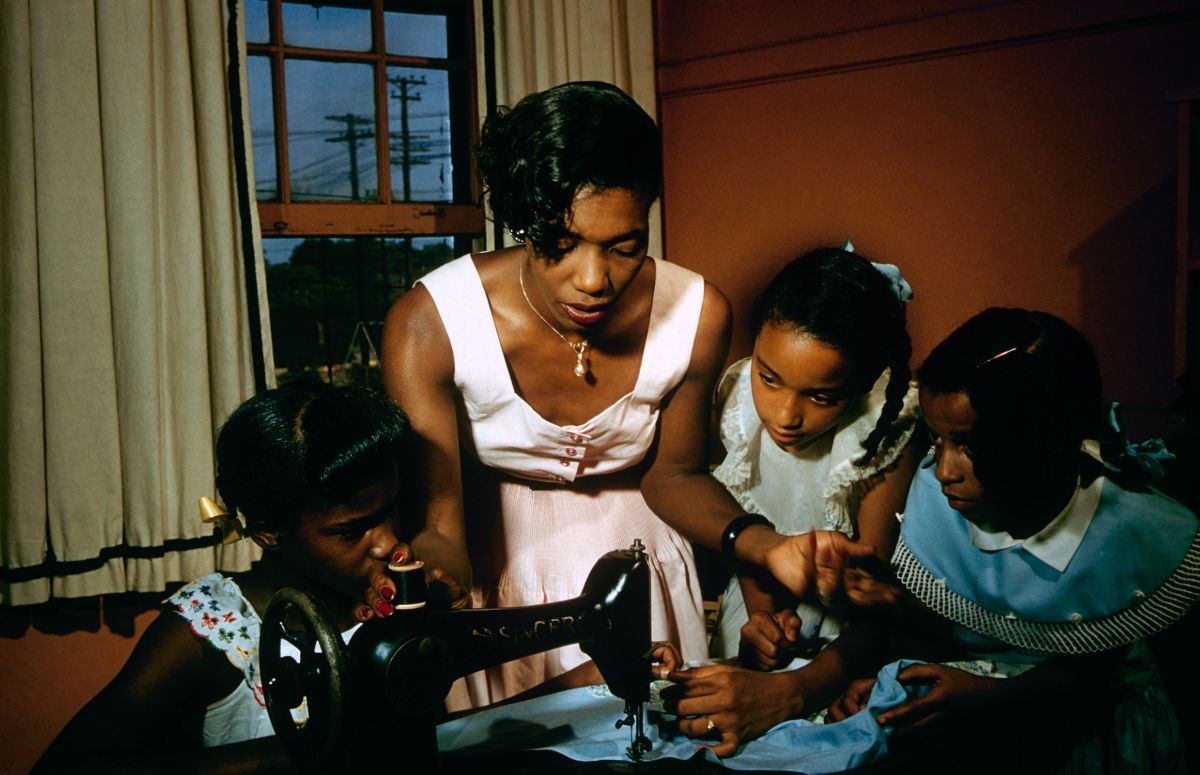
Young girls listen attentively in a sewing class.
Against this backdrop, LIFE magazine launched an ambitious five-part series in late 1956 titled The Background of Segregation.
The publication sought to examine the historical roots, social divisions, and political tensions surrounding segregation at a time when the Civil Rights movement was beginning to gain national attention.
Rather than limiting its coverage to the legal battles and public demonstrations, the magazine also sought to document the people and attitudes sustaining the system.

Home inspection in a black neighborhood.
For one installment, titled Voices of the White South, LIFE sent renowned photographer Margaret Bourke-White to Greenville, South Carolina.
Her assignment was to photograph white residents from different backgrounds and document their views on racial segregation.
The resulting images offered an unusually direct look at people who supported the continuation of racial separation, often expressing their convictions openly and without hesitation.

Generations pass the time on a porch.
Bourke-White’s photographs provide a revealing record of the attitudes that helped maintain segregation.
They show people in their homes, at work, in public spaces, and going about their daily routines, offering a closer look at the social environment in which these beliefs were held.
The photographs are particularly striking because they document an ordinary-looking community while exposing the deeply entrenched racial divisions beneath its surface.

Mayor Kenneth Cass converses with a Greenville, South Carolina resident.
Unlike Parks’s Alabama photographs, which centered on the experiences of Black families living under segregation, Bourke-White’s South Carolina assignment examined the white population that largely defended the system.
The two collections therefore approach the same subject from different directions.
Together, they provide a broader picture of the segregated South, documenting both the unequal conditions experienced by African Americans and the attitudes that allowed those conditions to persist.

Greenville, South Carolina’s mayor Kenneth Cass (above, in tie) at a car wash.

Greenville, South Carolina, 1956.
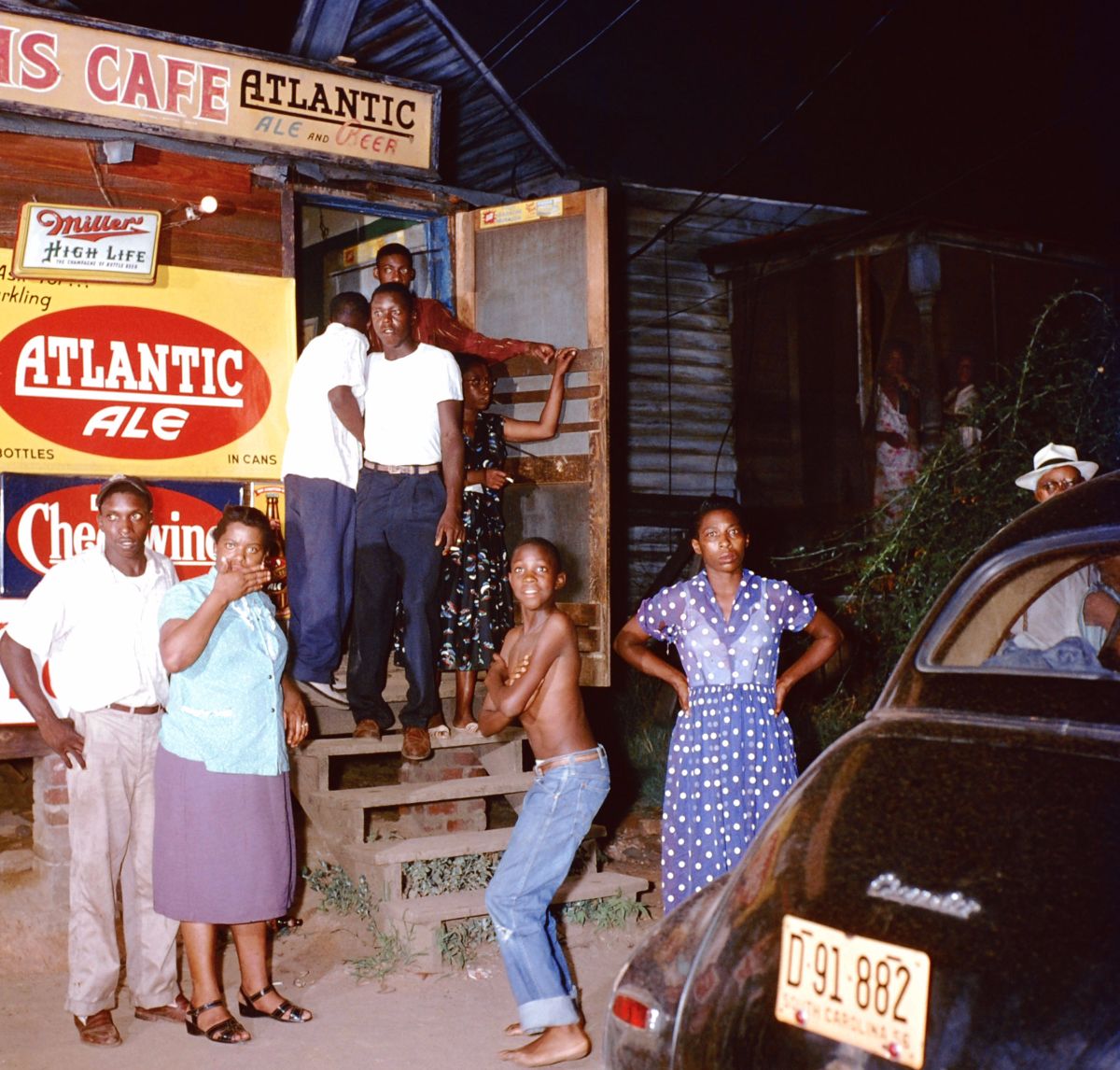
Outside a roadhouse.

Two black men arrested for disorderly conduct.

Three women stand before a magistrate (note pistol in his hand) after a disturbance at a juke joint.

A work crew comprised of inmates.

White girl lives in a nearby house [and] came out to watch when she saw the gang start work.

Greenville, S. Carolina, mayor Kenneth Cass reviews a map of proposed roads in an upper-income housing development.

Segregated playground.

Segregated playground.

Segregated playground.

A night out at a juke joint.

A night out at a juke joint.

A night out at a juke joint.

A night out at a juke joint.
(Photo credit: Gordon Parks / The Gordon Parks Foundation / Margaret Bourke-White / The LIFE Picture Collection).