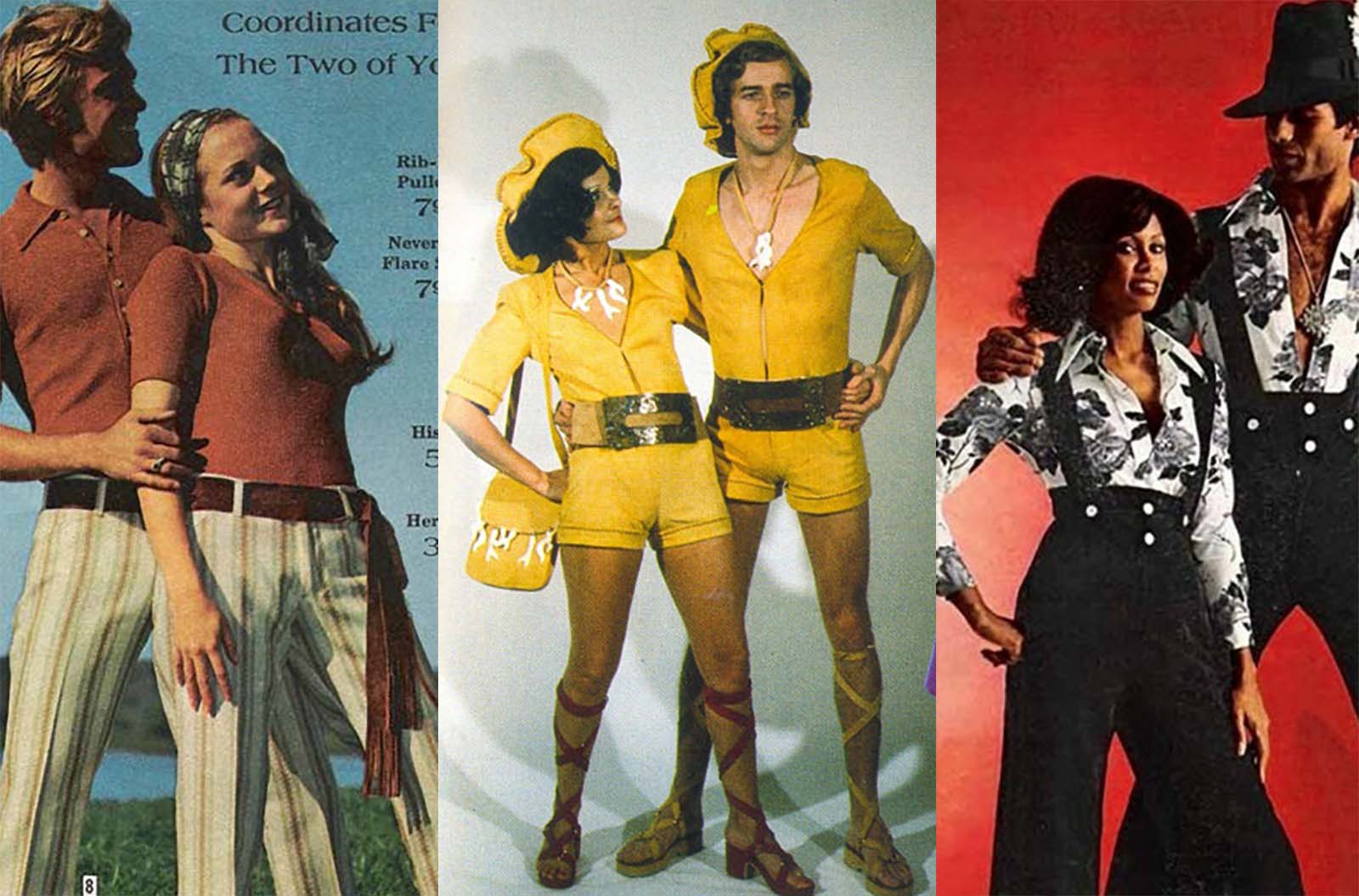
 Open any box of decades-old family photographs and there is a good chance one image will stop the scroll: a man in a belted sweater, knee-high boots, and a print bold enough to make modern eyes squint.
Vintage menswear advertisements from the 1970s are full of moments like this, and viewed through a 21st-century lens, much of what once passed for stylish now looks downright peculiar.
These campaigns offer a window into a decade that treated fashion as a playground rather than a rulebook, and the results are as strange as they are captivating.
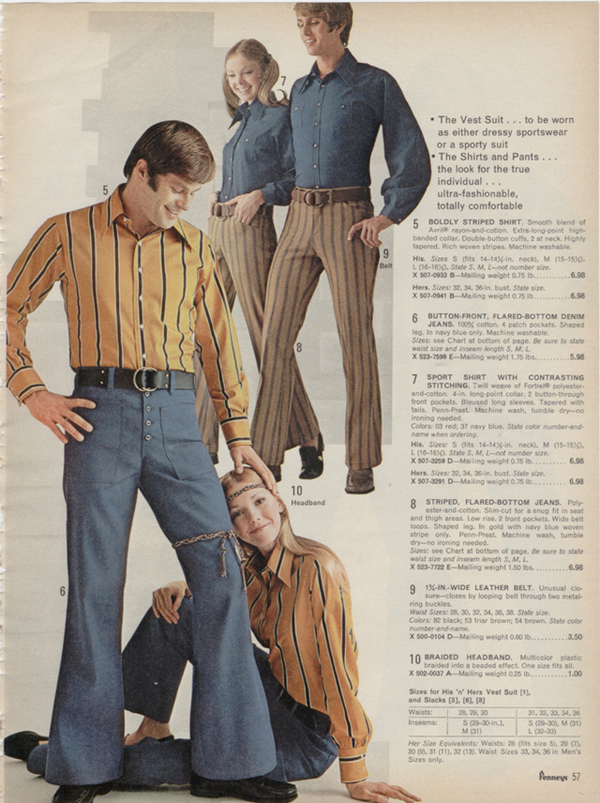
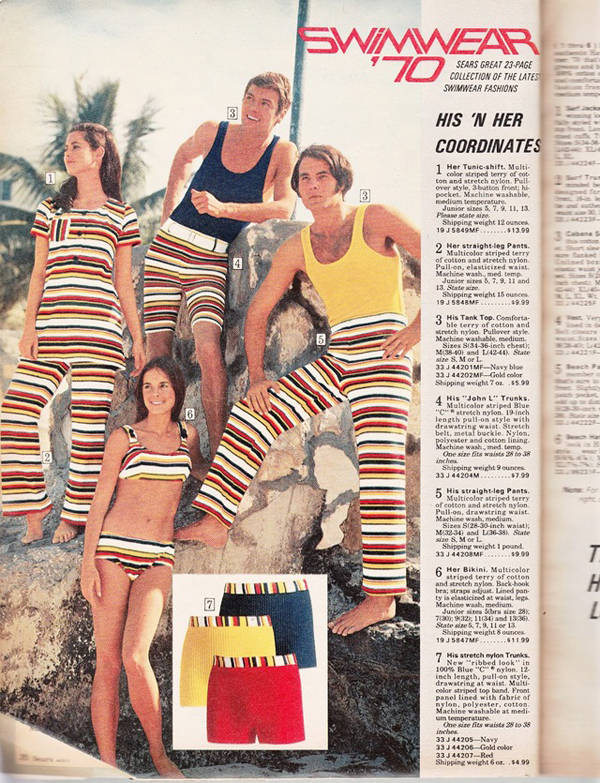
.jpg) Bell bottoms defined the decade’s silhouette, flaring dramatically from the knee down and often clashing on purpose with busy patterns that ranged from psychedelic swirls to bold geometric prints.
Bell bottoms defined the decade’s silhouette, flaring dramatically from the knee down and often clashing on purpose with busy patterns that ranged from psychedelic swirls to bold geometric prints.
Cable-knit sweaters became a wardrobe staple, showing up in nearly every advertisement of the period, layered over turtlenecks or worn alone with unexpected accessories like braided belts cinched at the waist.
Combinations of texture and pattern that would draw stares on a modern street were, at the time, considered the height of sophistication.
.jpg) High-waisted trousers sat well above the natural waistline, elongating the legs and creating the exaggerated proportions so closely tied to the era.
High-waisted trousers sat well above the natural waistline, elongating the legs and creating the exaggerated proportions so closely tied to the era.
Paired with platform shoes and wide lapels, these pants turned into a symbol of a decade that approached personal style with more confidence than restraint.
Undergarments, meanwhile, took an oddly public turn.
.jpg) Skimpy briefs were marketed not as something hidden beneath clothing but as fashion statements in their own right, complete with models posing as though they were showing off a tailored suit rather than underwear.
Skimpy briefs were marketed not as something hidden beneath clothing but as fashion statements in their own right, complete with models posing as though they were showing off a tailored suit rather than underwear.
Synthetic fabrics played a starring role throughout the period, with polyester becoming the material of choice for everything from disco shirts to leisure suits.
These fabrics delivered vibrant colors and a glossy sheen that natural fibers could not match, and manufacturers leaned into the effect, producing garments in shades of mustard yellow, burnt orange, and electric blue.
.jpg) Seen today, the shine and stretch of these materials read less like sophistication and more like a fashion experiment that got a little out of hand, though at the time it perfectly matched the decade’s appetite for movement, whether on a dance floor or simply out on the street.
Seen today, the shine and stretch of these materials read less like sophistication and more like a fashion experiment that got a little out of hand, though at the time it perfectly matched the decade’s appetite for movement, whether on a dance floor or simply out on the street.
What makes these old advertisements so striking now is not only the clothing but the complete lack of hesitation behind it.
.jpg)
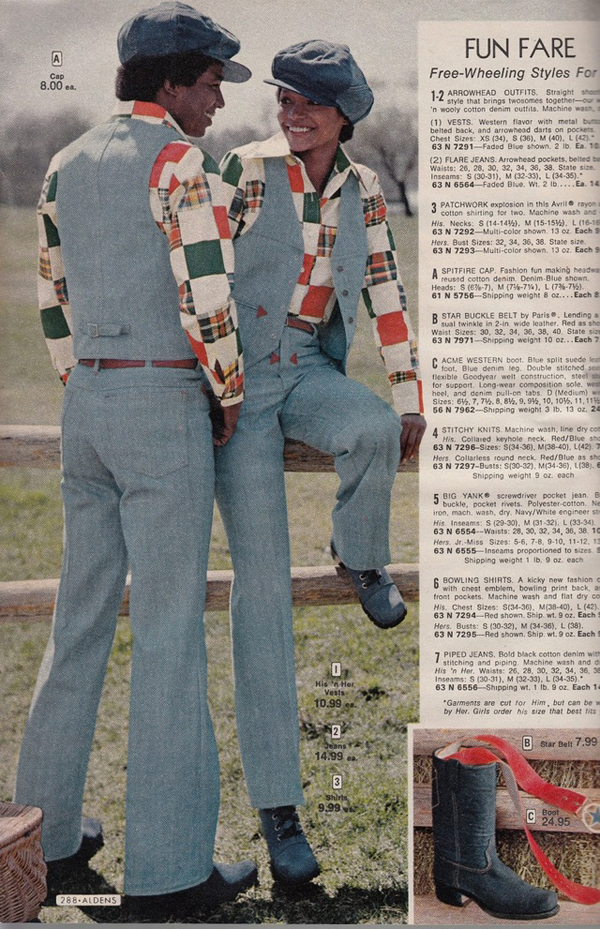
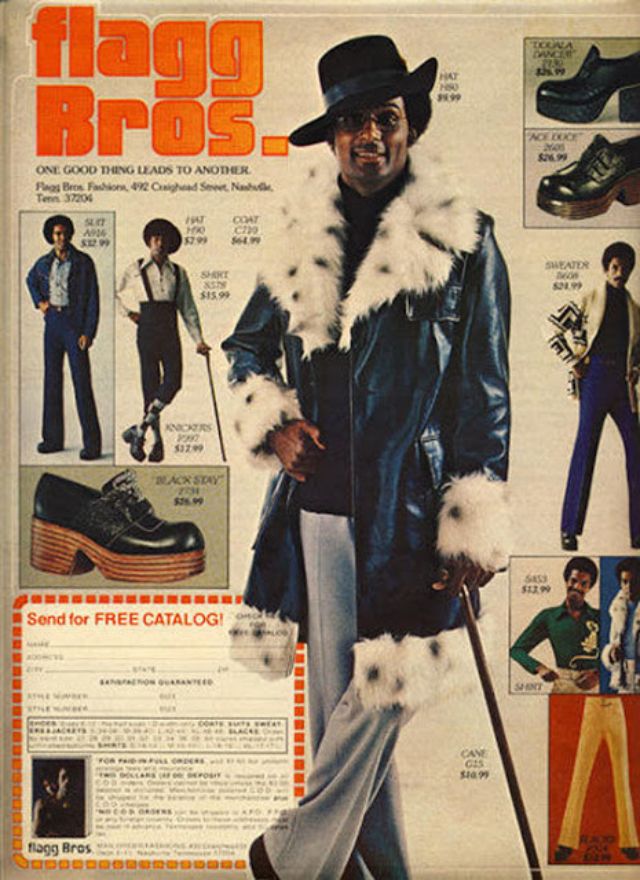
The men in these campaigns stand tall in leotards, knee-length nightgowns, and an astonishing range of hats, from wide-brimmed fedoras to snug knit caps, without a trace of self-consciousness.
By current standards, several of these outfits verge on costume territory, yet the poses radiate total confidence, as if the wearer had no idea his look would one day seem so unusual.
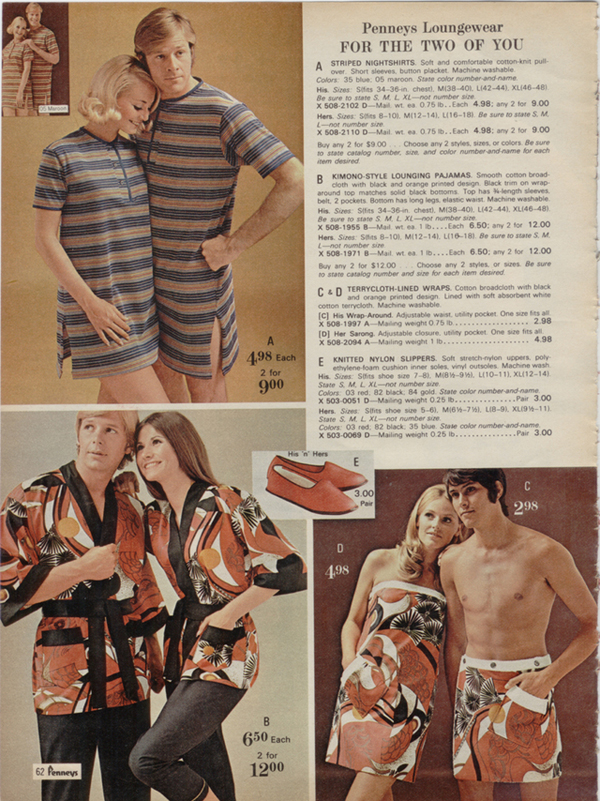
.jpg) Nightwear ads from the period push the strangeness even further.
Nightwear ads from the period push the strangeness even further.
Long, patterned nightgowns trimmed with contrasting fabric were marketed to men with the same seriousness typically reserved for business attire, a detail that feels almost surreal from a modern vantage point.
Hats appear in nearly every campaign as well, treated as an essential finishing touch rather than an occasional accessory, reinforcing just how different the visual language of menswear once was.
.jpg)
.jpg)
.jpg)
.jpg)







.jpg)



(Photo credit: Flickr).