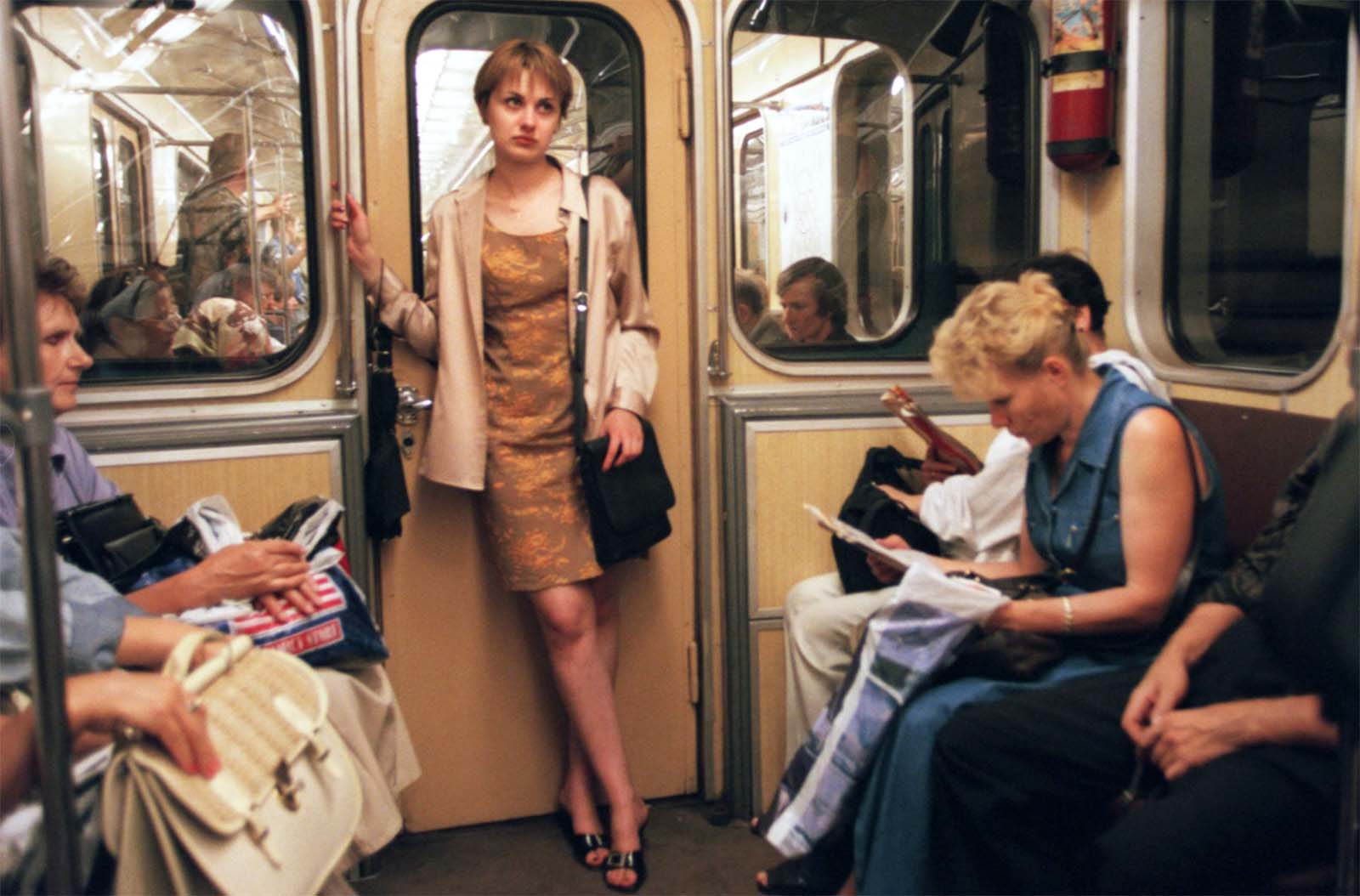
 The early 1990s brought a new look to Russian streets as the country emerged from decades of Soviet rule and entered an uncertain new era.
For young women, fashion became a visible expression of changing times, blending familiar Soviet-era clothing with Western styles that were suddenly becoming more accessible.
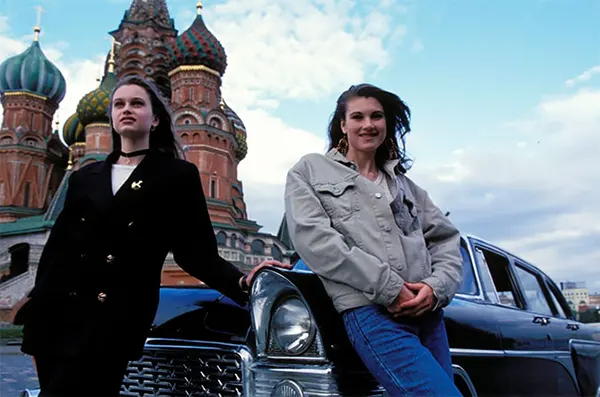
Denim jackets, leather coats, colorful blouses, short skirts, and voluminous hairstyles reflected a generation eager to experiment with its appearance, even as everyday life grew more difficult.
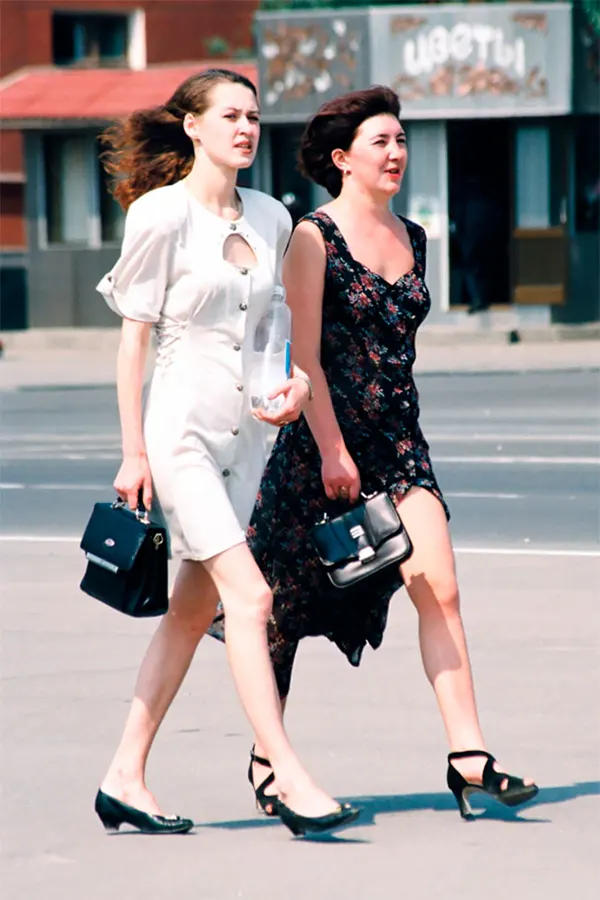
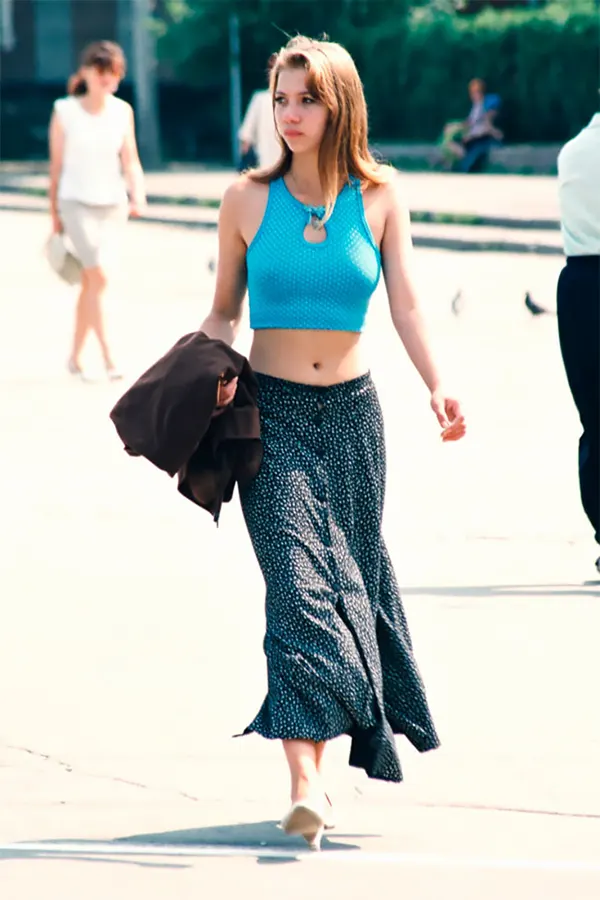
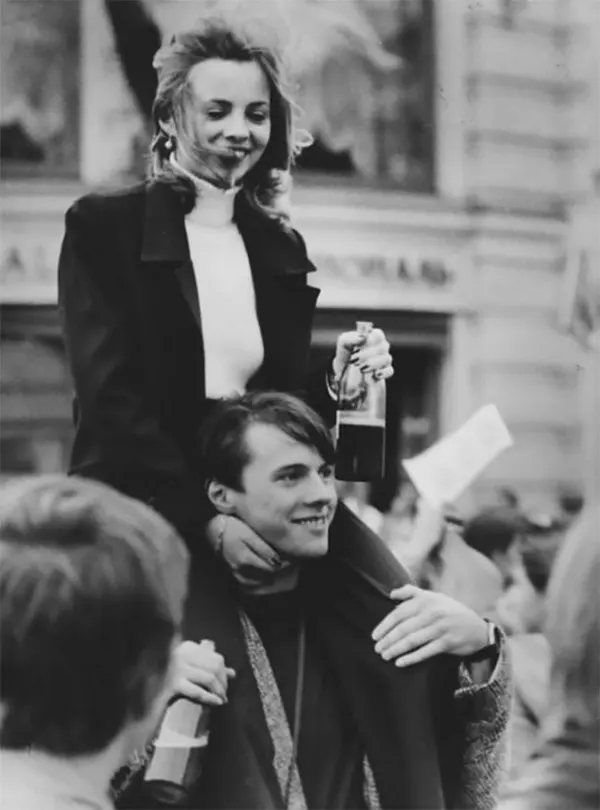
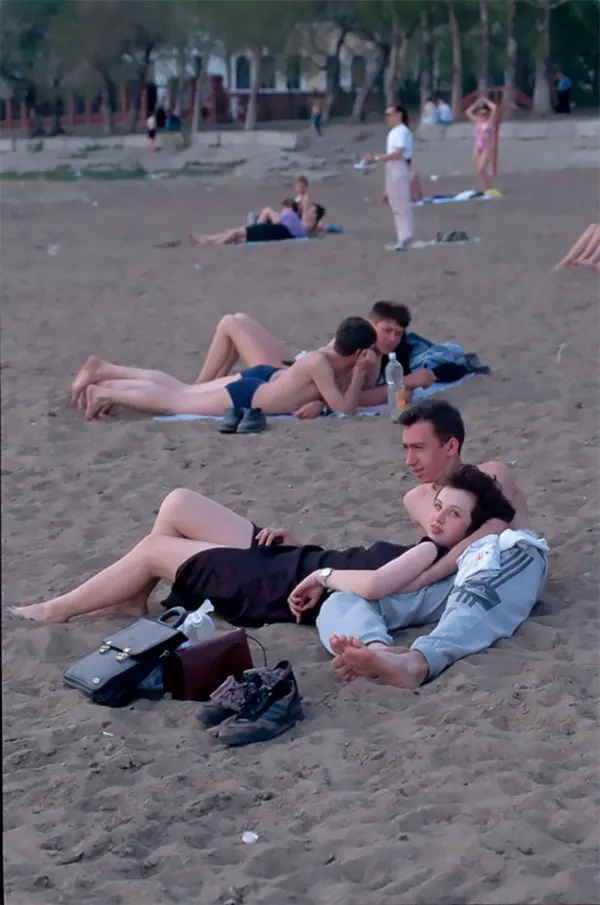
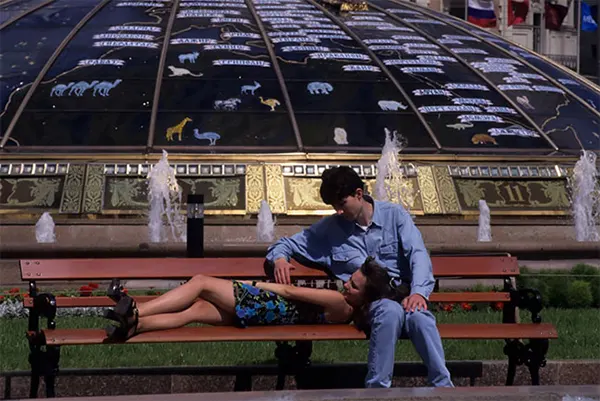
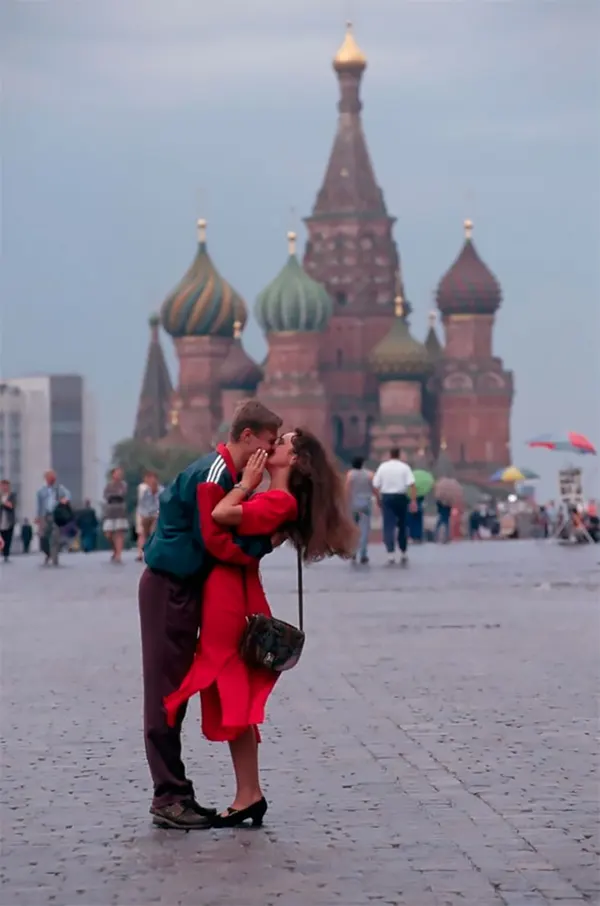
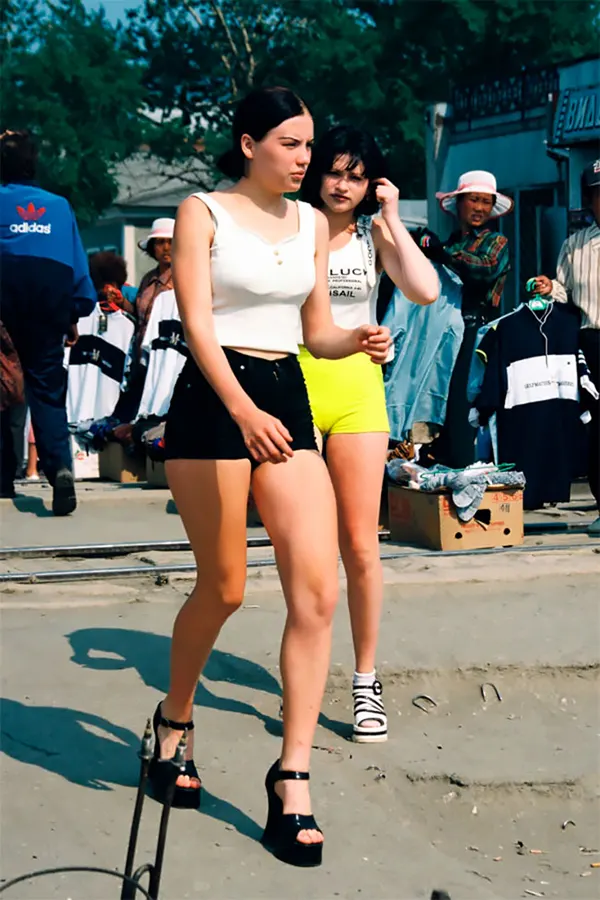
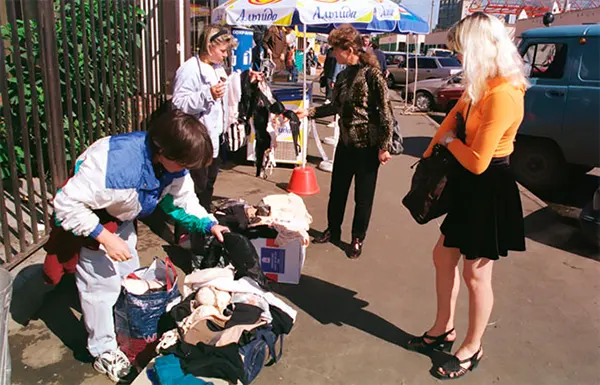
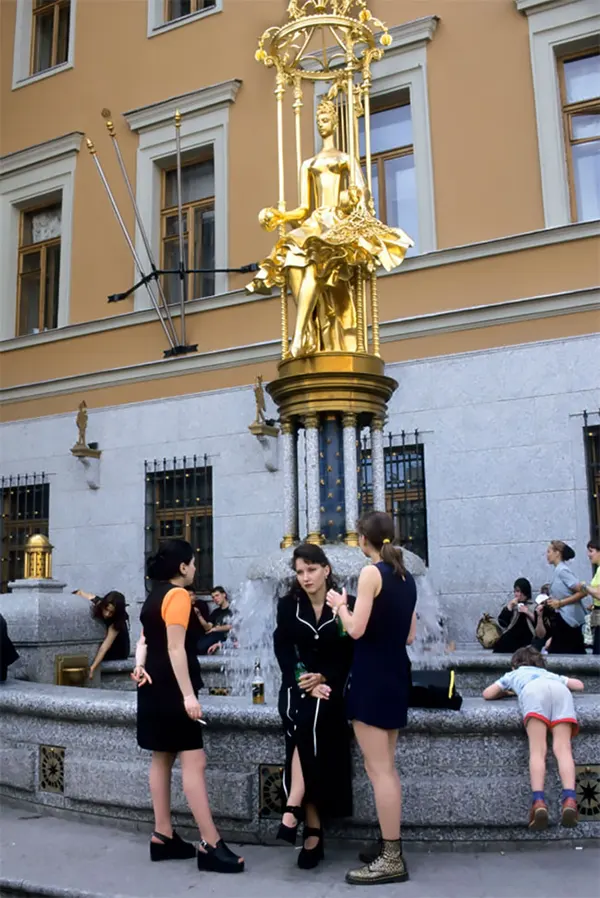
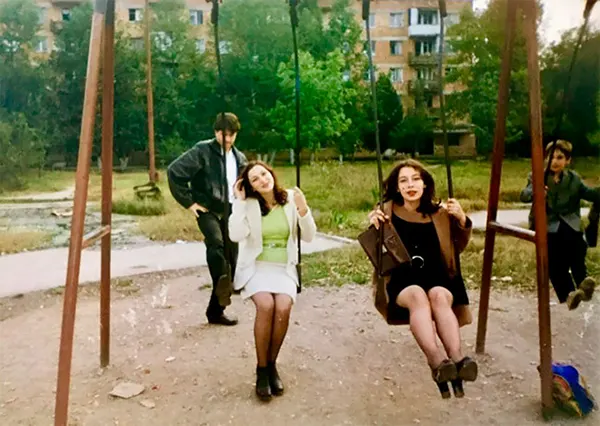
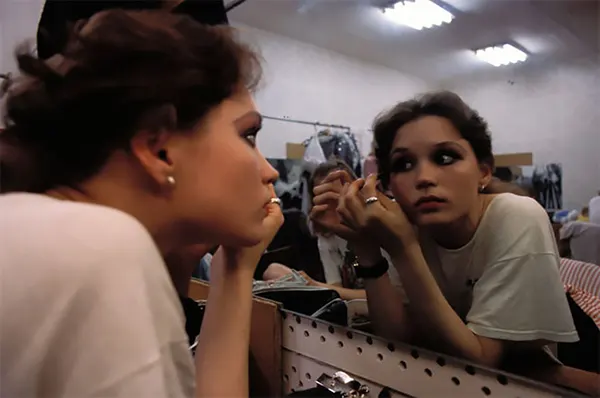
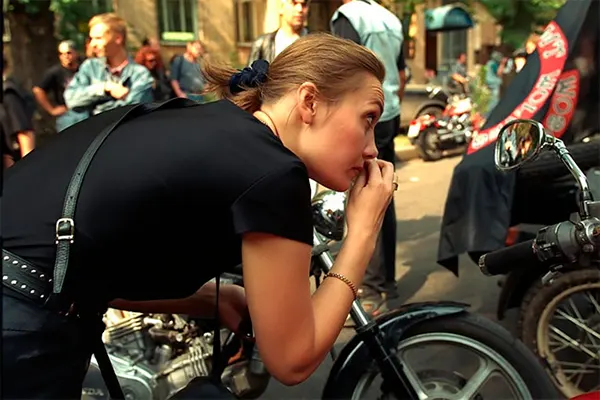
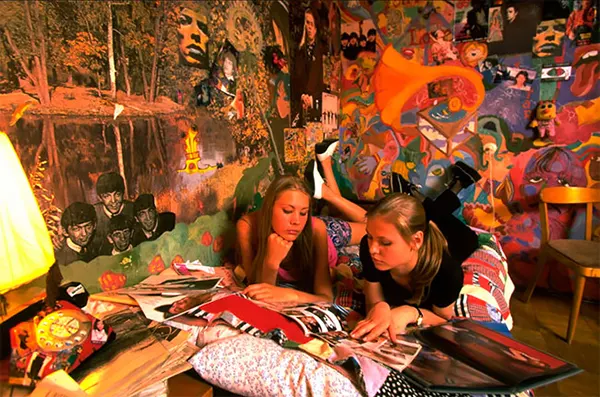
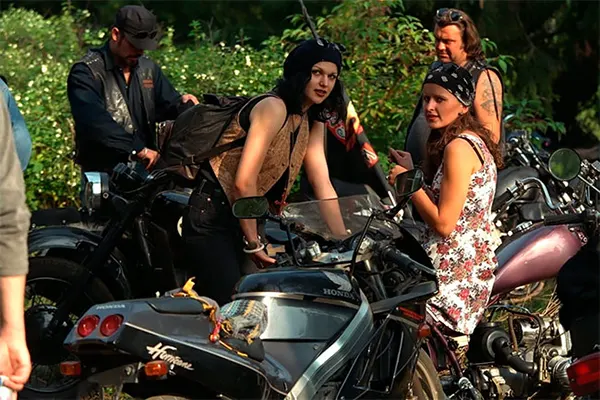
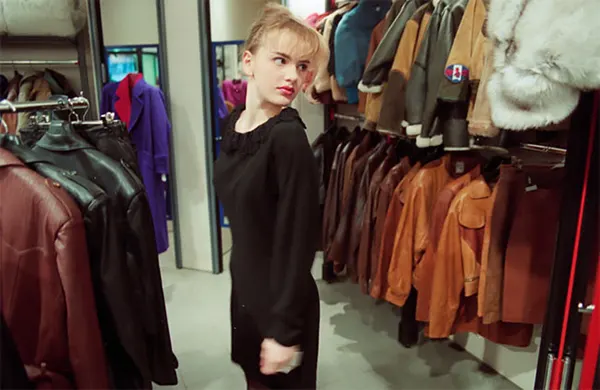
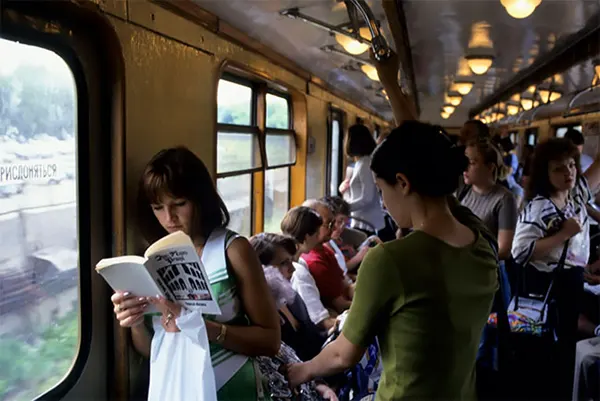
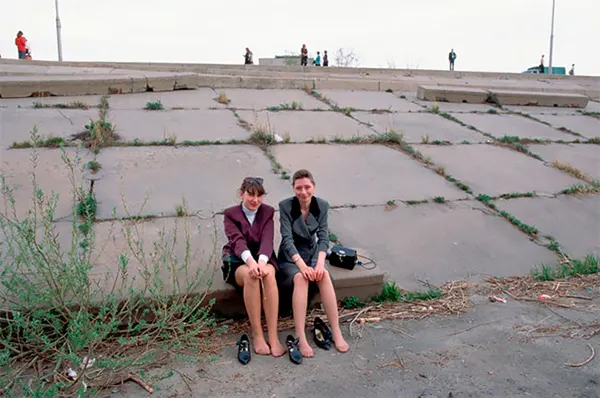
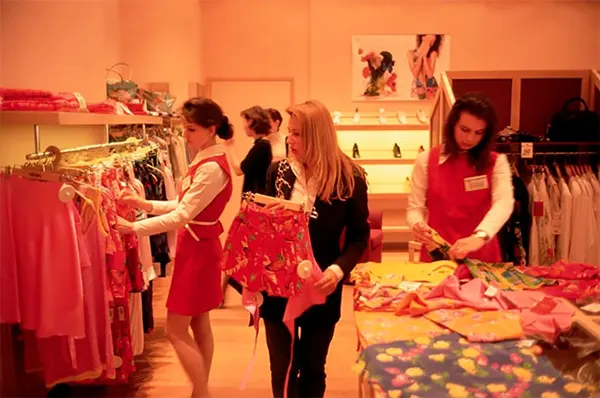
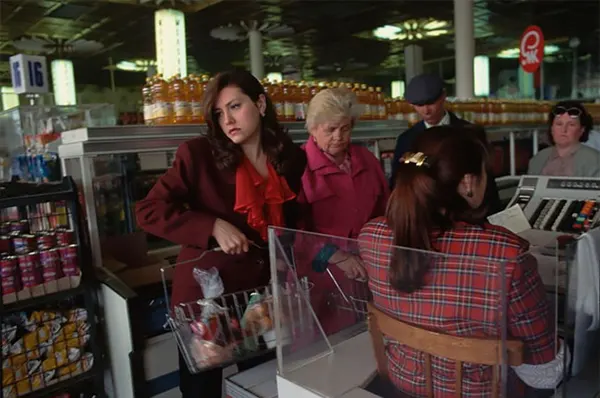
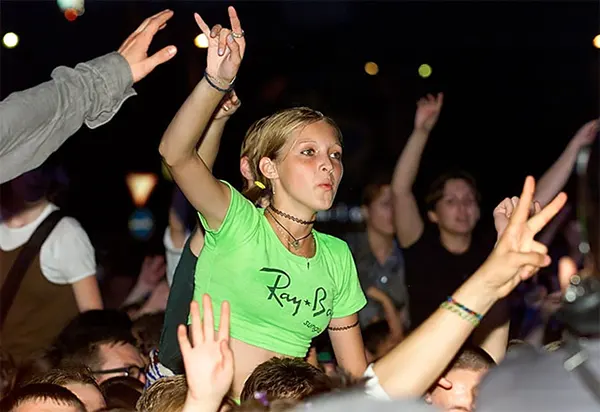
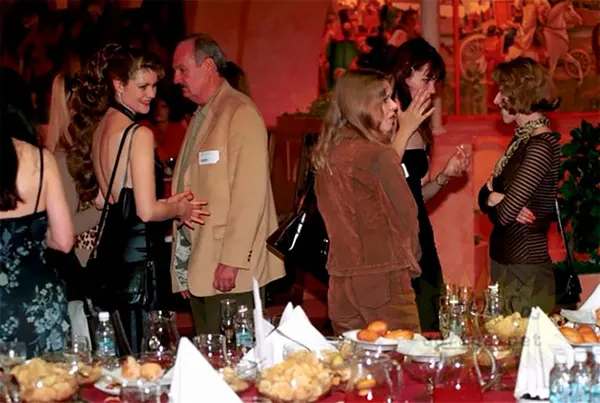
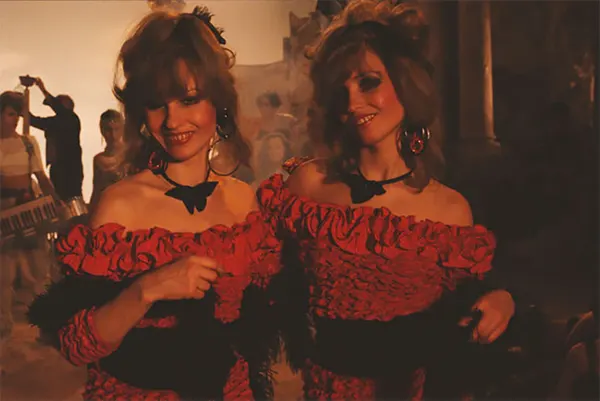
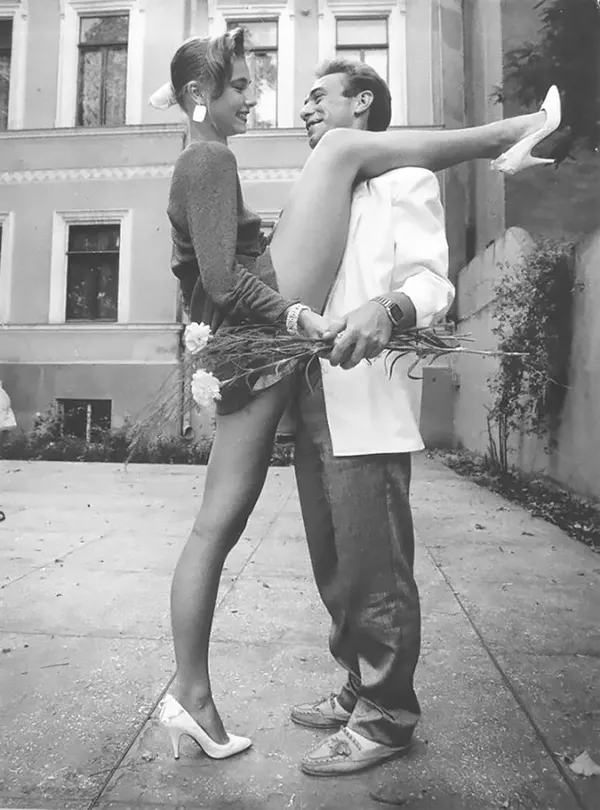
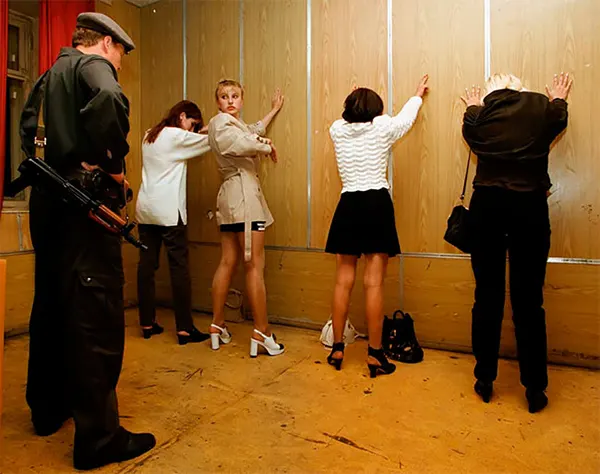
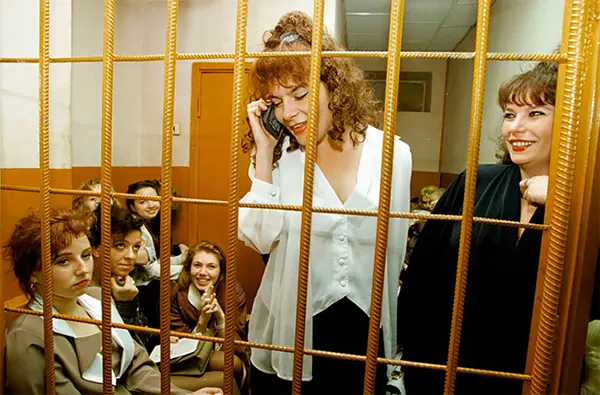
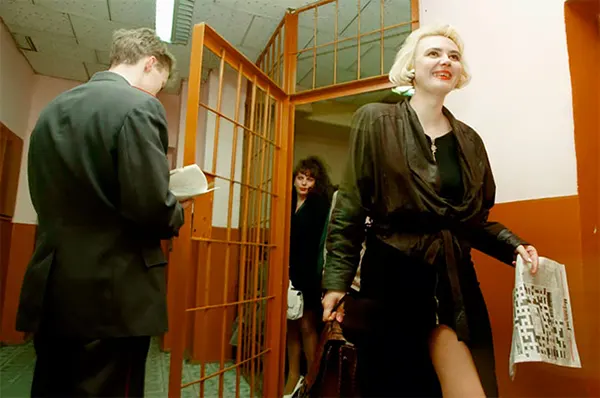
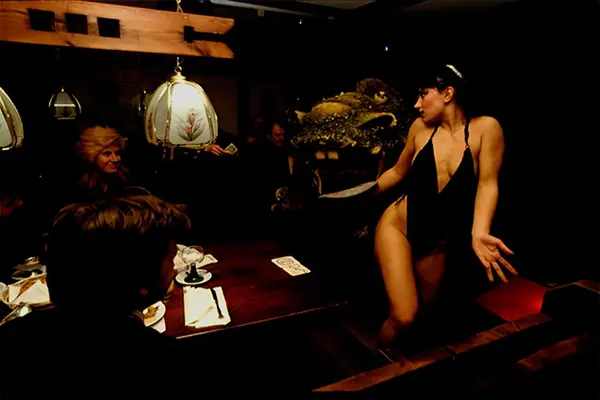
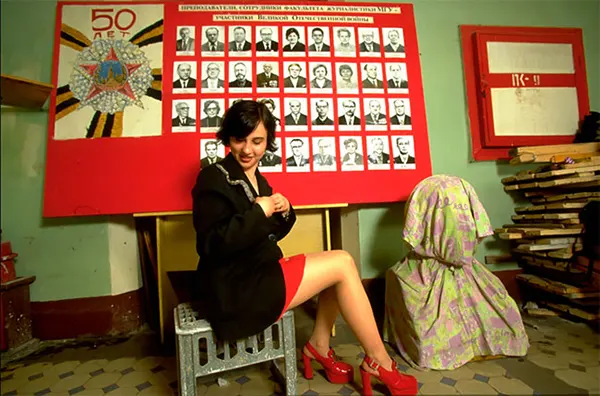 These vintage photographs capture that transformation through ordinary moments, revealing what young Russian women wore as they worked, met friends, went out, and adapted to a rapidly changing society.
The collapse of the Soviet Union in 1991 marked a turning point in everyday fashion.
For decades, clothing choices had been shaped by limited supplies, a state-controlled garment industry, and restricted access to many Western brands.
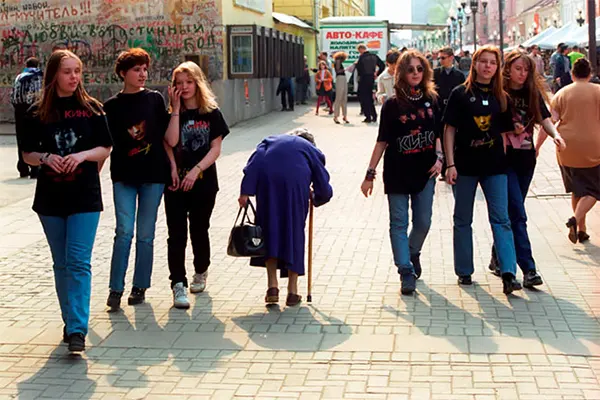 Finding fashionable clothes could require patience, personal connections, or a willingness to pay high prices for imported goods.
Many women learned to make the most of what they had, altering garments, sewing their own outfits, and searching markets for something different from the ordinary clothes available in state-run stores.
As Russia entered the post-Soviet era, the streets gradually became more colorful. Imported clothing from Europe and the United States became increasingly visible, introducing styles that had previously been difficult for ordinary shoppers to obtain.
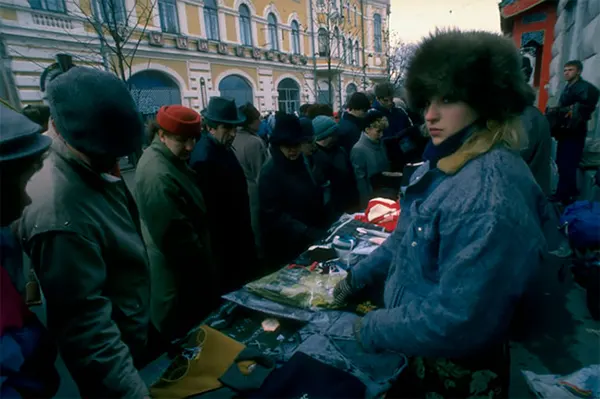 Blue jeans became especially desirable, while leather jackets, fitted tops, patterned blouses, short skirts, and oversized outerwear helped define the changing look of the decade.
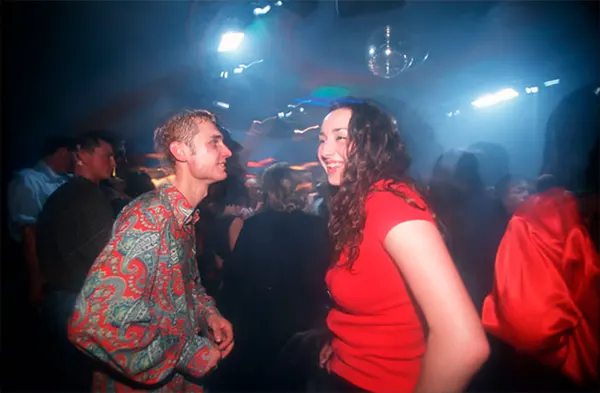
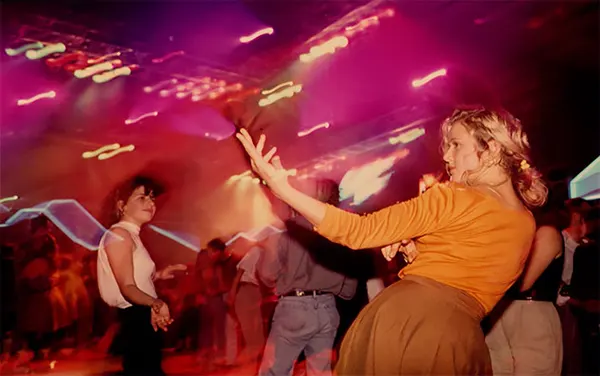
Bright pink, turquoise, electric blue, and other bold colors appeared alongside darker, more practical pieces. The result was a mix of Western influences, familiar Soviet-era clothing, and individual experimentation.
Fashion in the early 1990s was not simply about following international trends. The country’s economic difficulties meant that many people faced falling living standards, uncertain employment, and rising prices.
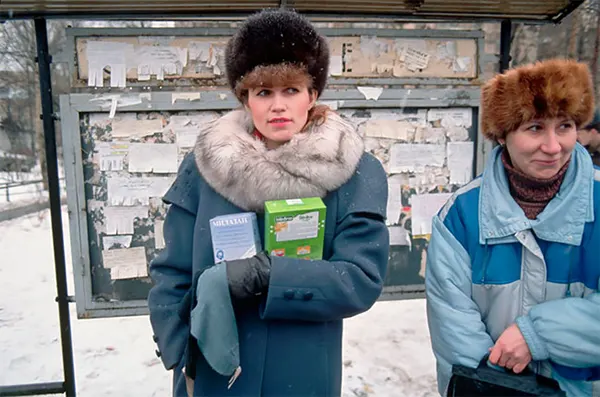 Expensive designer labels remained out of reach for much of the population, and new fashions were not equally accessible to everyone.
Women often combined new purchases with older garments, creating outfits that reflected both their ambitions and their circumstances.
A fashionable jacket or a pair of imported jeans could become a prized possession, worn repeatedly and carefully maintained.
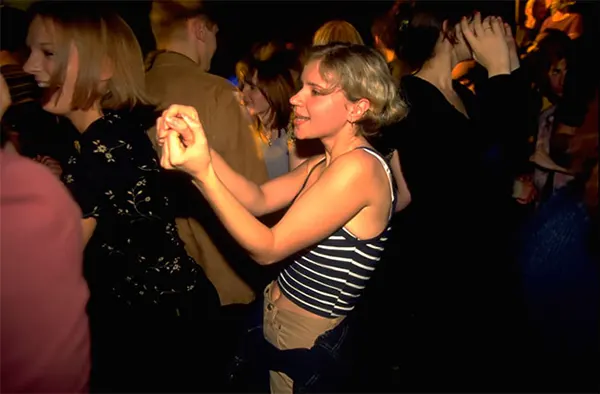
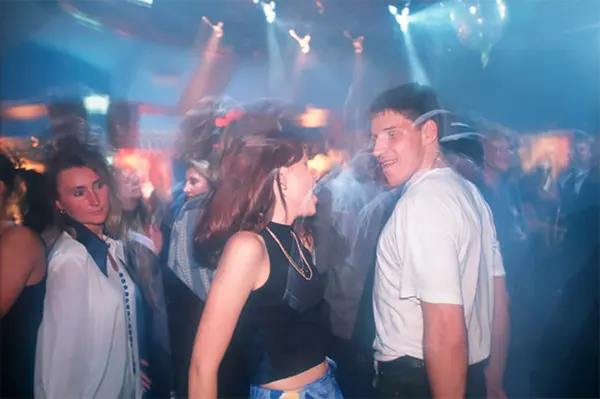
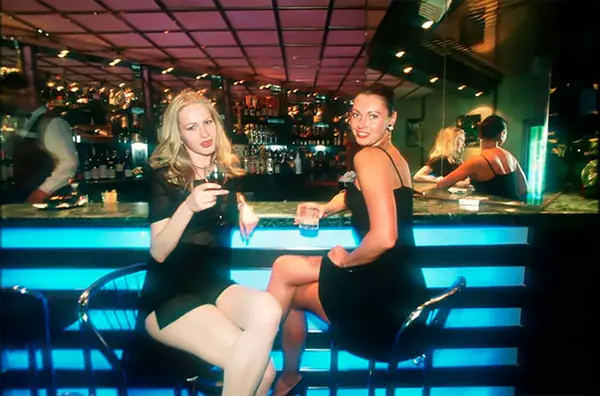
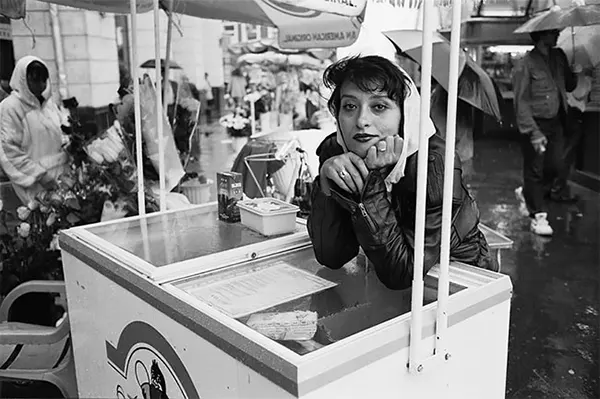 Hair and makeup were equally important parts of the look. Voluminous hairstyles, curled bangs, bright lipstick, defined eyebrows, and noticeable eye makeup helped create the polished appearance many young women favored for evenings out and social gatherings.
Some embraced bold colors and statement accessories, while others preferred simple jeans, sweaters, and practical coats.
High heels, boots, sneakers, and shoulder bags completed outfits that varied considerably from one person to another. There was no single uniform style, even if certain trends became closely associated with the decade.
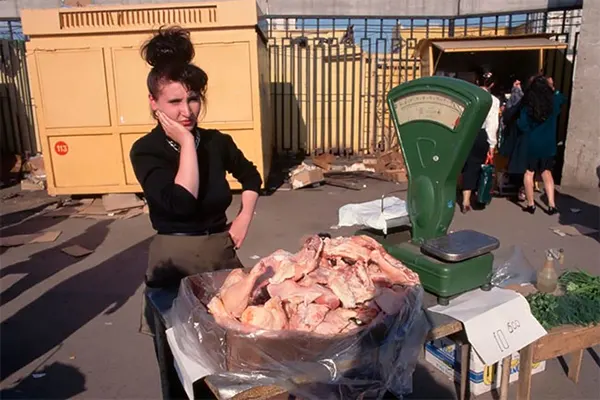 The photographs also reveal something that fashion magazines rarely capture: the relationship between clothing and ordinary life.
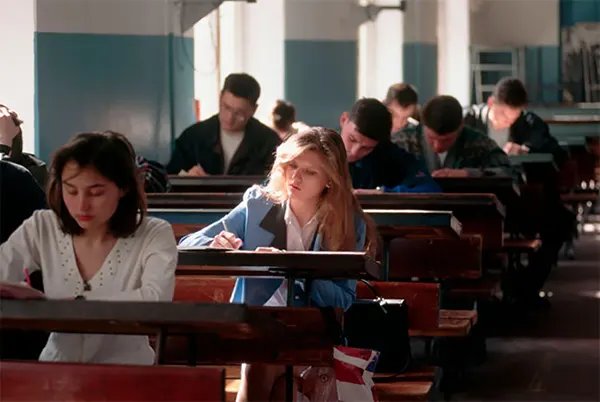
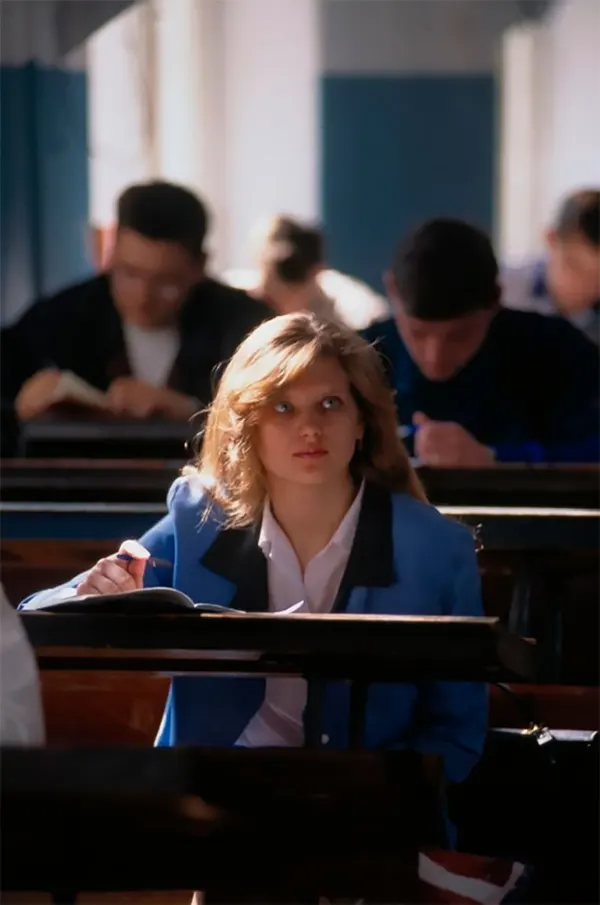
A woman standing on a sidewalk in a leather jacket, a group of friends dressed for a night out, or a young worker wearing a simple everyday outfit offers a different perspective from a professional fashion shoot.
These unplanned moments show how trends were adapted to real circumstances, from busy working days to leisurely afternoons and social occasions.
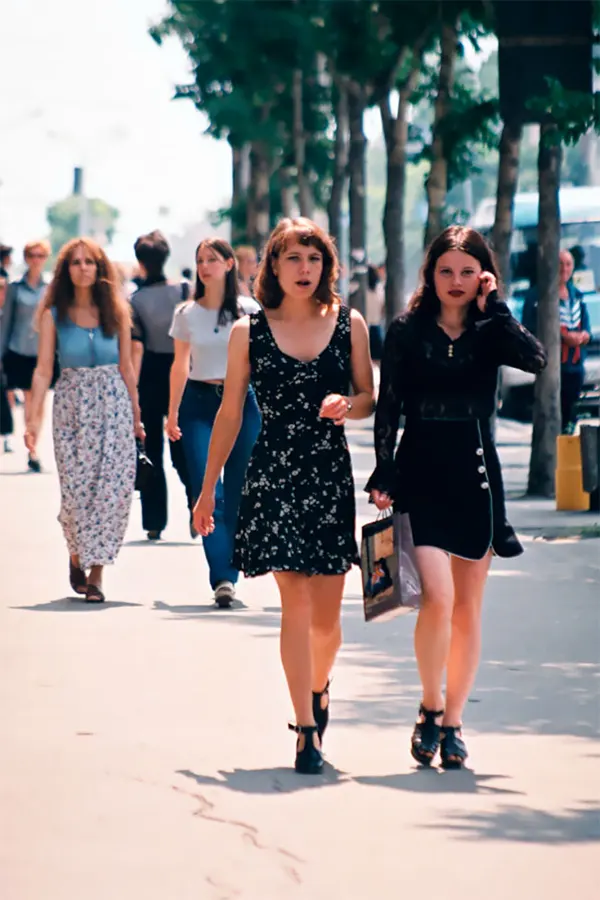 Looking back, the street fashion of 1990s Russia can seem both familiar and unmistakably tied to its time.
Some outfits reflect the decade’s fascination with Western culture, while others retain the practical sensibilities shaped by years of limited consumer choice.
Together, they document a period when personal style became one of the visible expressions of a society undergoing profound change.
(Photo credit: Fishki / Pikaburu / Flickr).