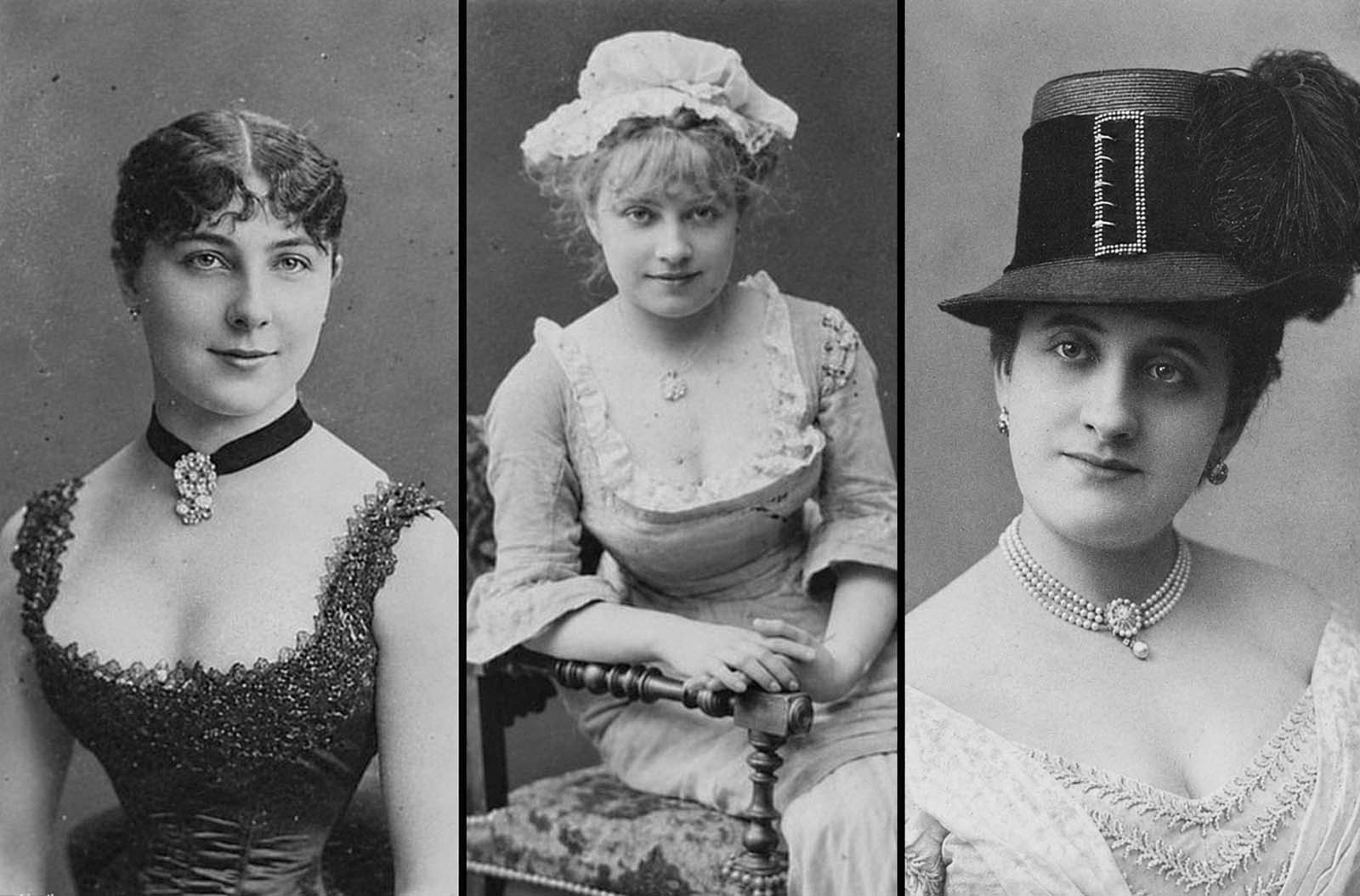
 In 1883, visitors to Paris could consult an unusual guidebook before seeking out the city’s celebrated courtesans.
Titled The Pretty Women of Paris, the handbook was written for English gentlemen and gathered details rarely presented so openly.
Alongside names and addresses, it described each woman’s background, reputation and sexual specialities, turning the city’s commercial sex trade into a directory for foreign visitors.
Jeanne Granier (in 1900) whose besotted lovers are said to have included Queen Victoria’s eldest son and future king of England, Edward VII. Prince Edward famously enjoyed a rendezvous with opera star, Jeanne, in the Grand Hotel in Monte Carlo in 1889. However back in Paris, Granier would entertain wealthy male clients and other European princes in her opulent private house in the Avenue de Wagram
The publication was reportedly limited to just 169 copies. Its entries were arranged by district, helping readers locate women and establishments.
The language was frank by the standards of the period, mixing practical information with judgments about appearance, personality and perceived qualities.
Today, the handbook offers a revealing, if distinctly male-oriented, record of how courtesans were presented to potential clients in late 19th-century Paris.
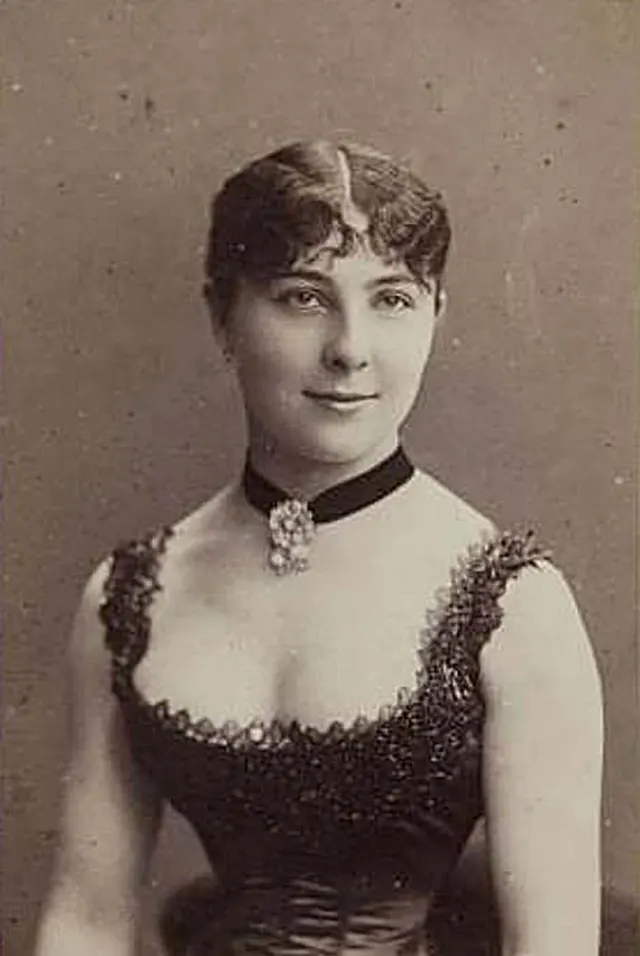
Henriette de Barras (in 1880) was described in the Pretty Women of Paris pamphlet as ‘one of the daintiest little creatures in Paris, with a wasp-like waist that she contrives to make smaller still with tight lacing; a plump figure; small regular features and a most candid, innocent manner of speaking’.
The women featured were not all anonymous figures working in brothels. Some occupied prominent places in Parisian society, maintained luxurious homes and attracted wealthy clients, including aristocrats and foreign visitors.
Their fortunes could bring them influence and visibility where status, money and sexual relationships intersected.
The directory also suggests how carefully these women cultivated their reputations, with looks, manners and personal histories treated as part of their appeal.
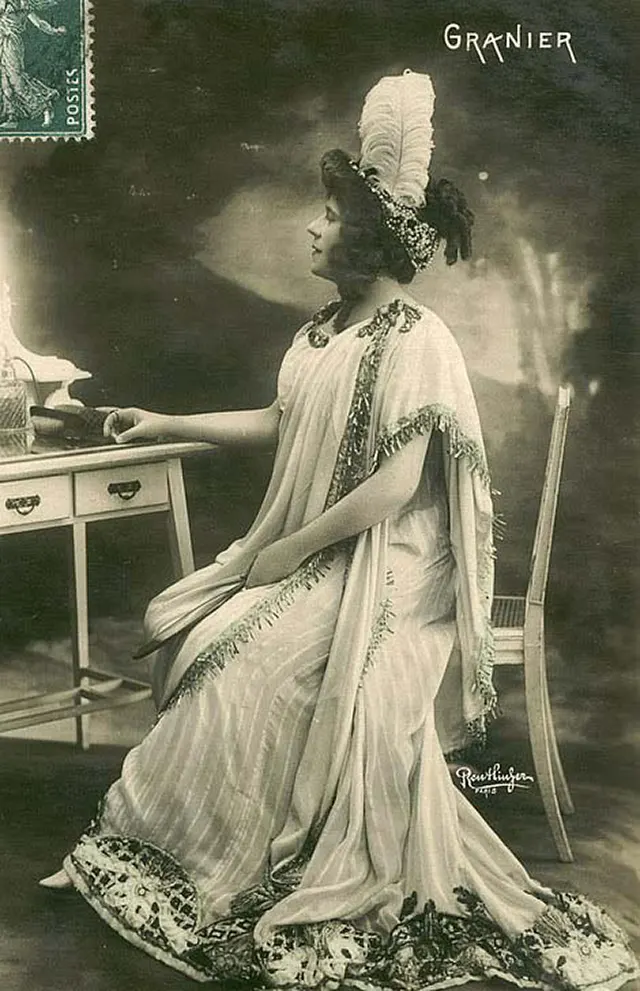
The famous Jeanne Granier (pictured), who featured in ‘The Pretty Women of Paris’ – the nineteenth century directory for the French capital’s best courtesans and brothels.
Among those pictured was Jeanne Granier, a well-known Parisian courtesan whose reported admirers included the future Edward VII, eldest son of Queen Victoria.
Edward, then Prince of Wales, was associated with a meeting with Granier at the Grand Hotel in Monte Carlo in 1889.
In Paris, she reportedly received wealthy clients and European princes at her lavish residence on Avenue de Wagram. Royal visitors added to the fascination surrounding courtesans in elite circles.
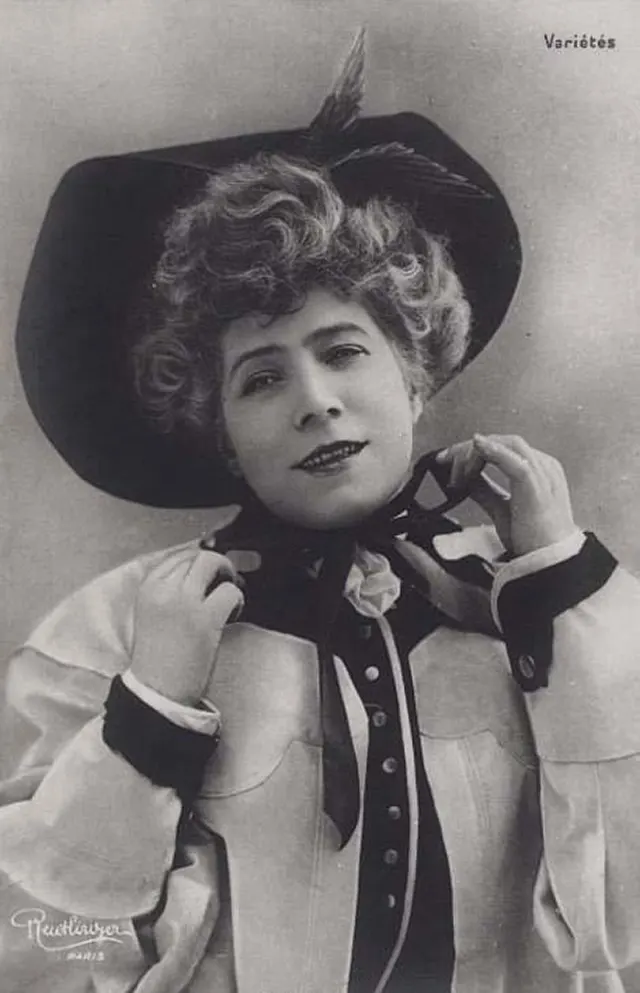
Jeanne Granier again. Here in 1902. Her lovers are said to have included Queen Victoria’s eldest son and future king of England, Edward VII.
Another featured woman was Gabrielle Elluini, whom the handbook called “the richest moll in the world.”
The guide claimed she had amassed a fortune of £100,000, an extraordinary sum at the time.
Its use of the word “moll” reflects the period’s blunt and often dismissive language about women involved in prostitution, even when they had acquired considerable wealth.
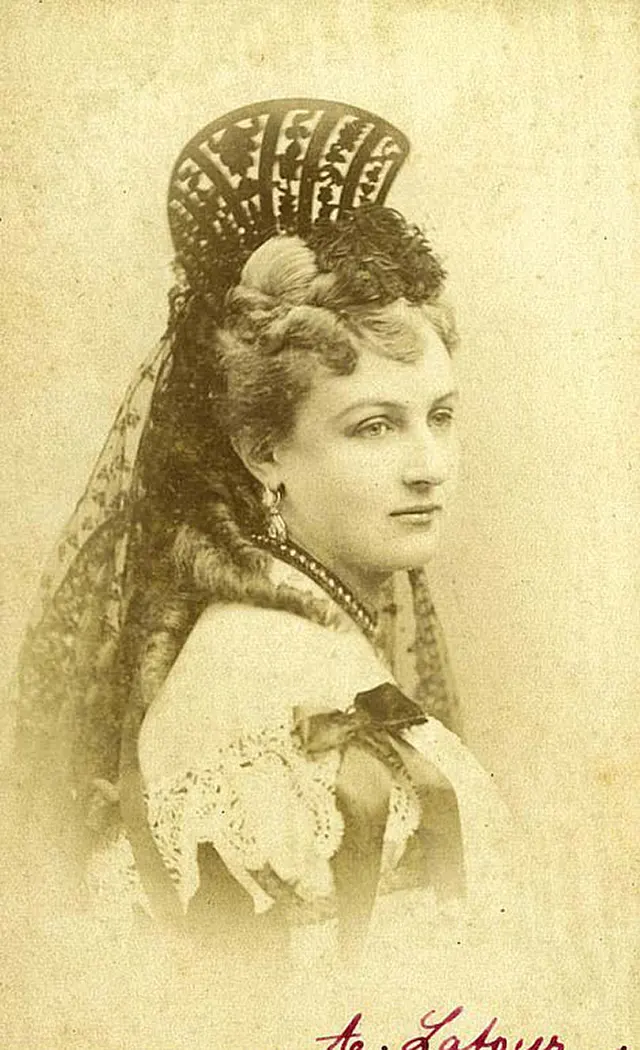
Ameltie Latour (above in the 1880s) who was one of the most coveted prostitutes during Napoleon III’s reign. She was listed as living at 32 Avenue De L’Opera and described as ‘one of the queens of Parisian prostitution when Napoleon the Third was on the throne’ whose ‘aristocratic fingers cling to the sceptre of mankind with a grip that tightens more than ever as her charms fade’.
The collection also includes Amélie Latour, described as one of the most sought-after women during Napoleon III’s reign, and Juliette Grandville.
The handbook made an unusually explicit claim about Grandville’s relationships with both men and women, showing how it marketed each subject through intimate details and provocative assessments.
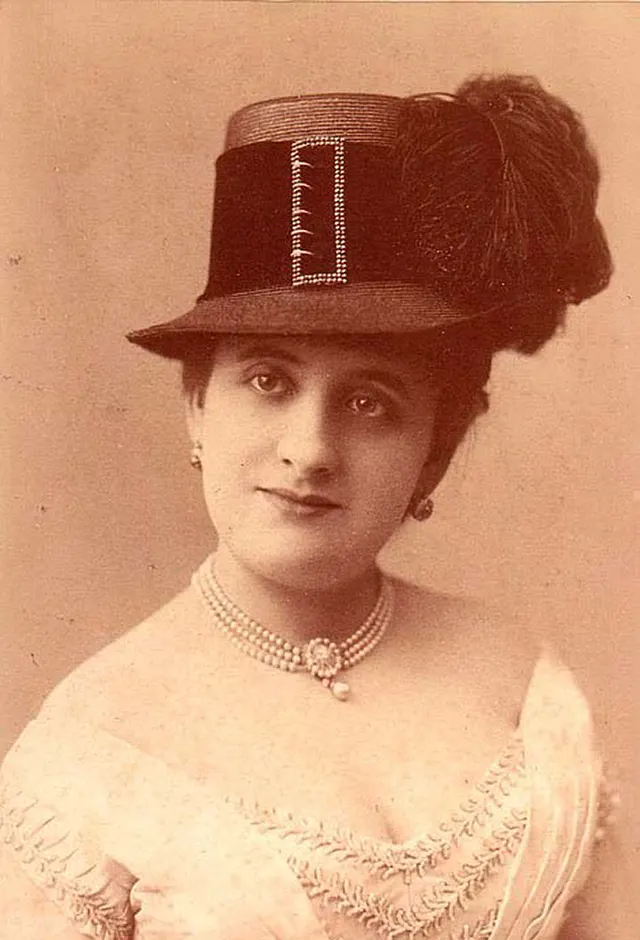
Conchita Gelabert (pictured in 1870) was described in the Pretty Women of Paris guide as being ‘fresh as a rose; well made; of the middle size; fair complexion; and affecting an air of modesty. She has a beautiful aquiline nose, with a remarkable pair of immense, wondering blue eyes’.
The world documented by the guide had developed under France’s system of regulated prostitution. During the Napoleonic era, authorities introduced registration and medical inspections for women in the trade, while licensed brothels, known as maisons de tolérance, operated under police supervision.
Paris had establishments catering to different incomes, from inexpensive houses serving working-class customers to luxurious venues frequented by wealthy men.
The discreet appearance required of licensed brothels contrasted with the elaborate interiors of the most prestigious establishments.
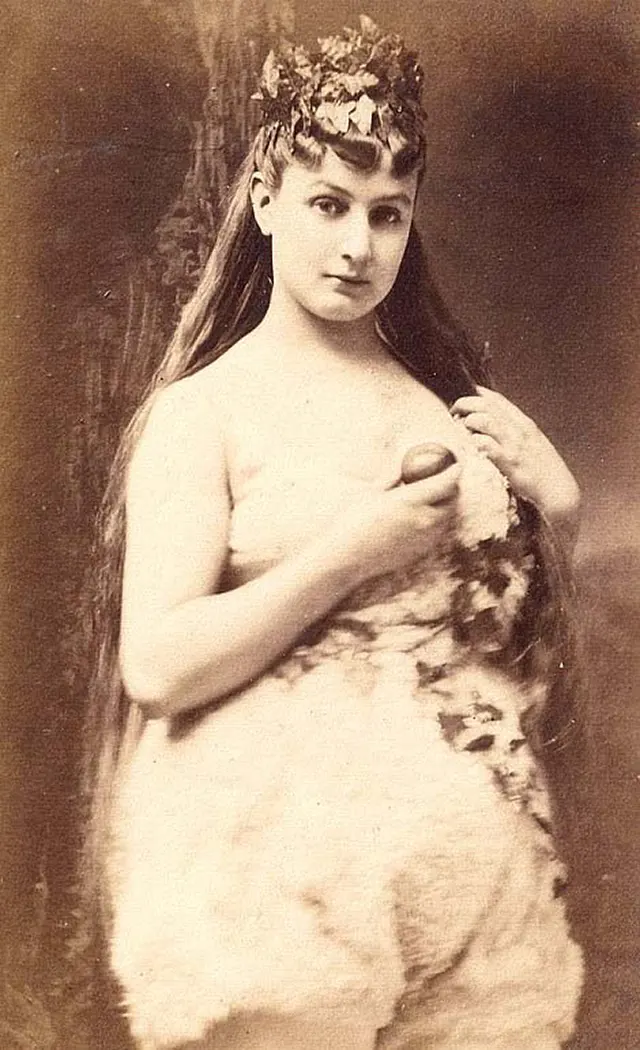
Ameltie Latour (above in 1870) who was one of the most coveted prostitutes during Napoleon III’s reign. She was listed as living at 32 Avenue De L’Opera and described as ‘one of the queens of Parisian prostitution when Napoleon the Third was on the throne’ whose ‘aristocratic fingers cling to the sceptre of mankind with a grip that tightens more than ever as her charms fade’.
Courtesans also occupied a position between entertainment and sex work. Some were connected to the theatre, working as performers or aspiring actresses while cultivating relationships with affluent patrons.
Such connections could provide financial security, expensive gifts and access to influential social circles.
Others became famous in their own right, their names circulating in newspapers, gossip and society.
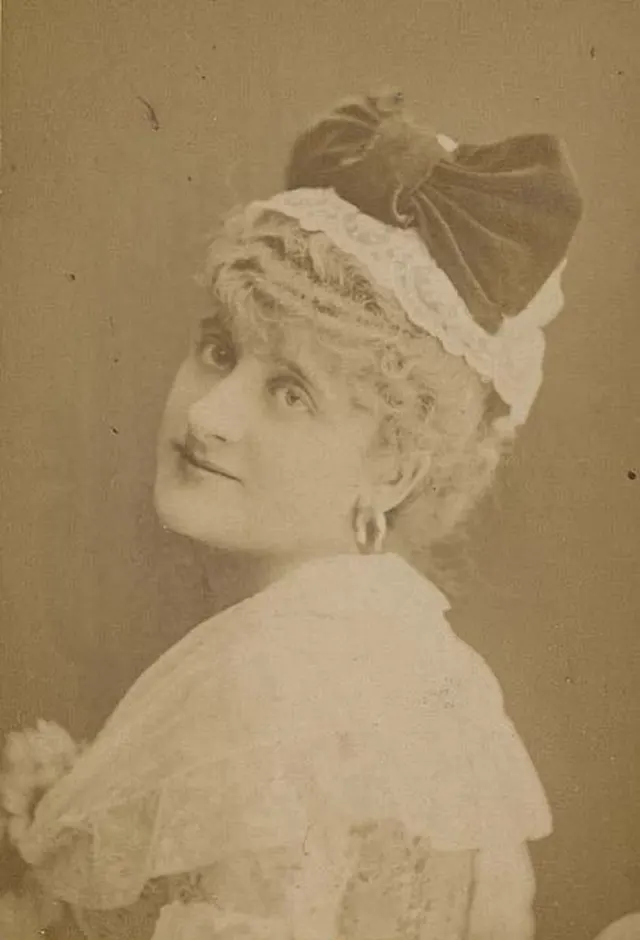
Conchita Gelabert (pictured in 1870) was described in the Pretty Women of Paris guide as being ‘fresh as a rose; well made; of the middle size; fair complexion; and affecting an air of modesty. She has a beautiful aquiline nose, with a remarkable pair of immense, wondering blue eyes’.
The Pretty Women of Paris captures this world through the perspective of its intended readers: visiting Englishmen seeking introductions and information.
Its descriptions should not be mistaken for impartial biographies. They were shaped by the assumptions and appetites of male customers, and the women appear largely through the reputations and services attributed to them.
Read today, the handbook is valuable less as a reliable account of each woman’s life than as a rare document of the commercial language, social hierarchies and sexual culture of 19th-century Paris.
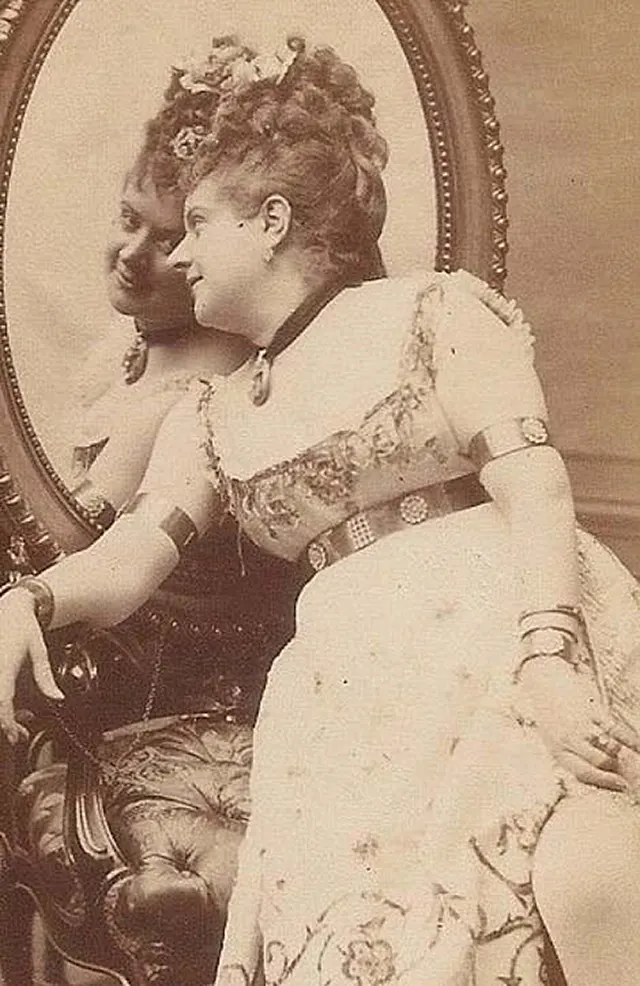
Ernestine Desclauzas (pictured here in around 1880) was lauded for her ‘full-blown, autumnal beauty’. The guide wrote that her lovers ‘will find themselves cordially welcomed and quickly hidden away in her enormous, fascinating buttocks’.
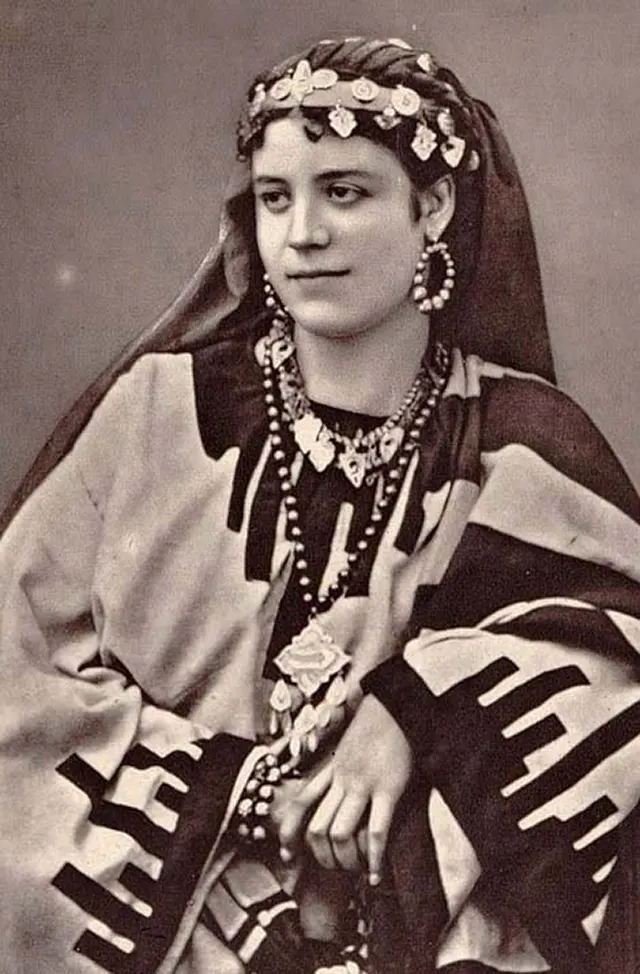
Rosine Bloch (pictured in 1874), who was listed as living on Boulevard Haussman, was described in the pamphletas ‘tall, above the average height of women, very largely built, with beautiful almond eyes, rich crimson lips and queenly carriage.’ The guide added: ‘Although now about thirty-six years of age, she is still a marvellous morsel’.
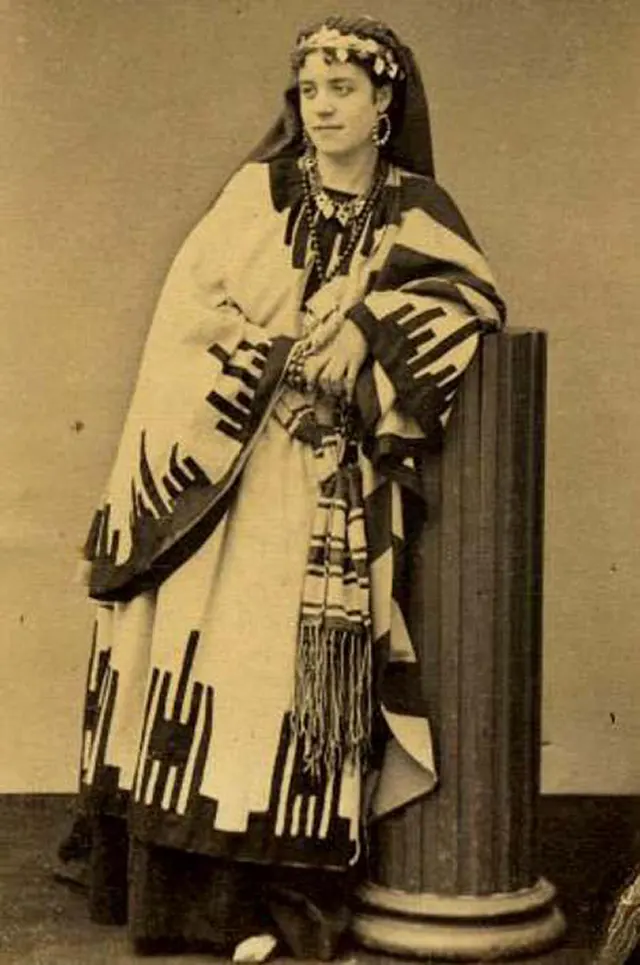
Rosine Bloch (again).
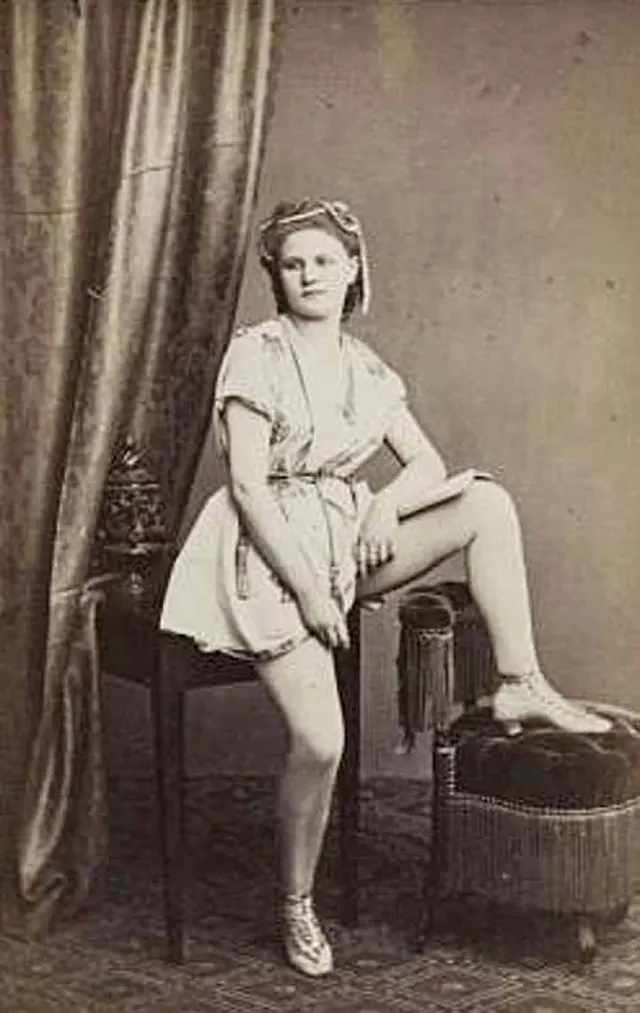
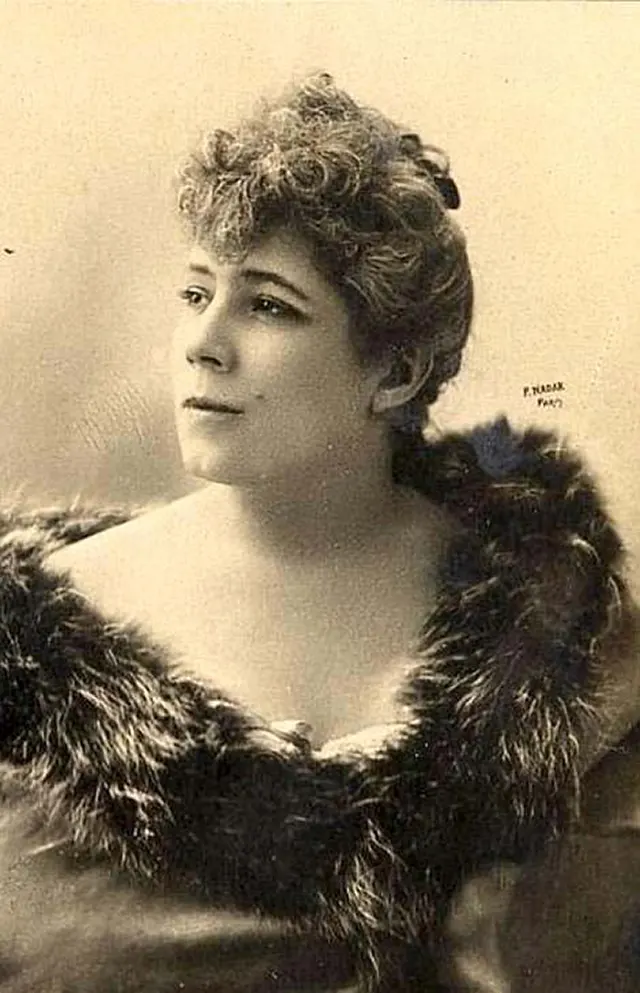
Gabrielle Elluini was described as the ‘richest moll in the world’ in the bawdy guide.
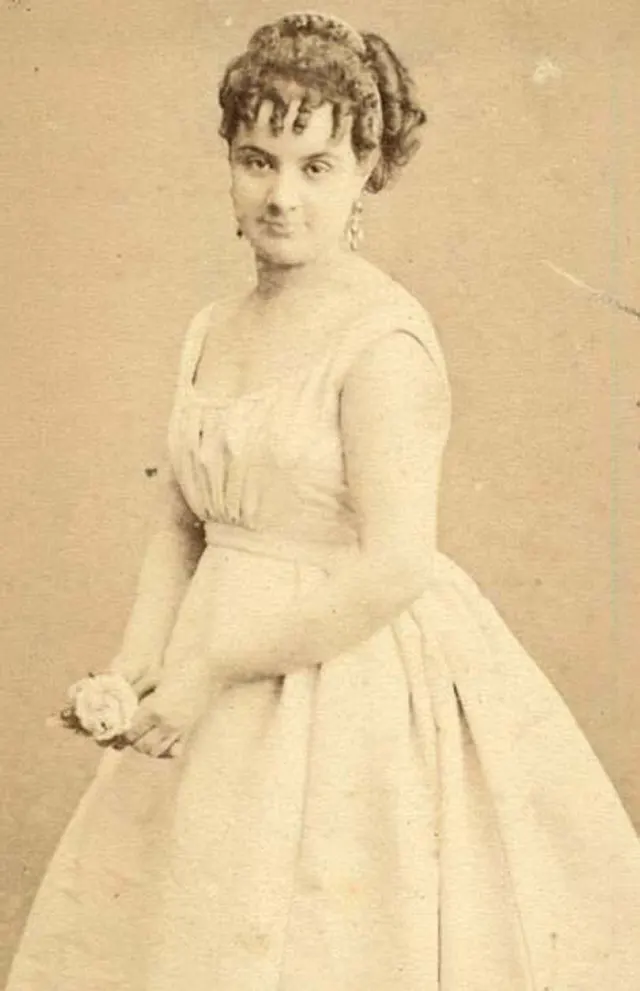
Ernestine Desclauzas, again. The guide wrote that her lovers ‘will find themselves cordially welcomed and quickly hidden away in her enormous, fascinating buttocks’.
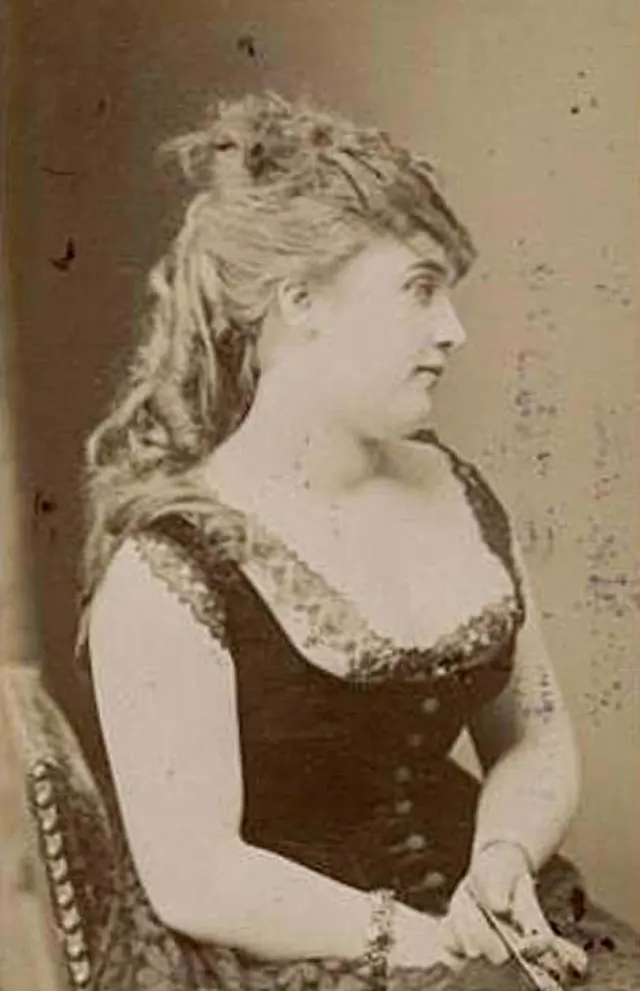
Marie Folliot (pictured in about 1880) was listed as living at 9 rue de L’I’sly in Paris. The guide said of the prostitute that ‘her bosom is a splendid sight; the globes being beyond the normal size, and tipped with two sweet, rosy nipples’.
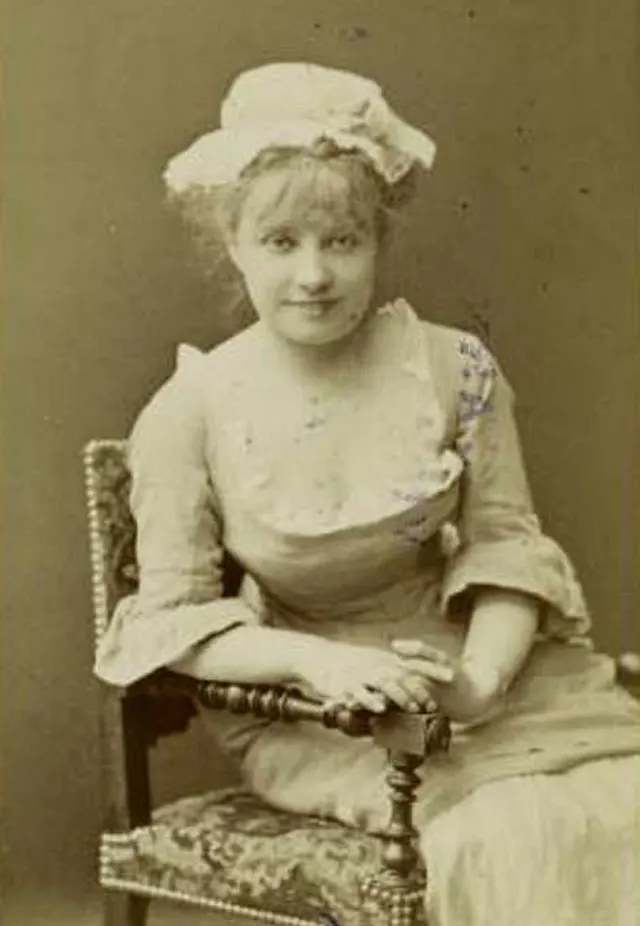
Alice Giesz (pictured around 1880) was described as a ‘small, thick-set wench’ who ‘looks like a country girl… and a rosy, buxom, healthy one too’.
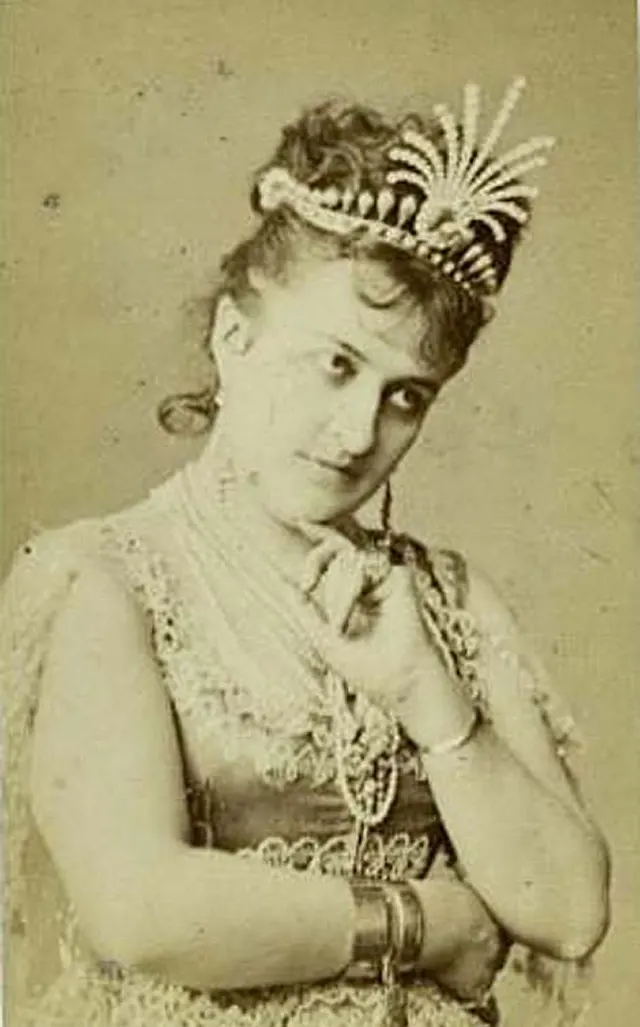
Juliette Grandville (pictured in around 1880) is praised in the bawdy directory as being ‘the only woman we have ever met with who can exercise affection for both sexes at one and at the same time’.
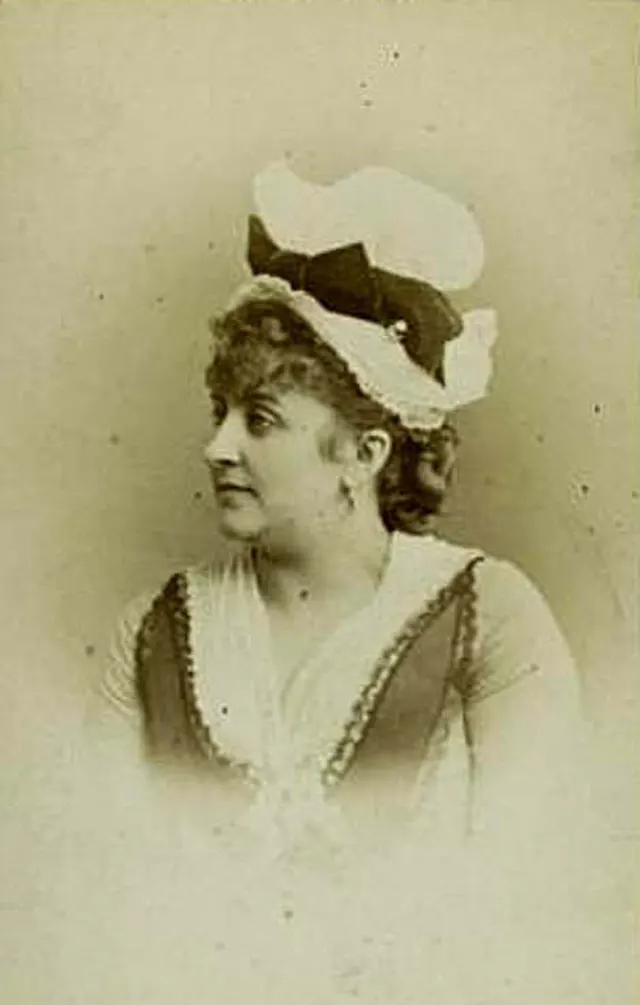
Juliette Grandville (again).
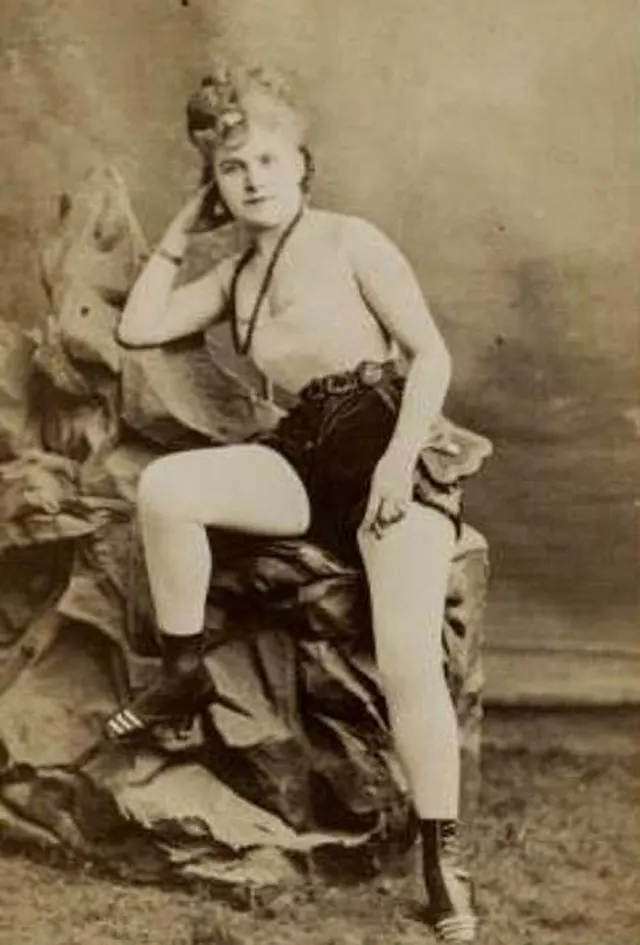
Gabrielle Elluini. The handbook describes Gabrielle as ‘the richest moll in the world’ with an amassed fortune of ‘one hundred thousand pounds sterling’.
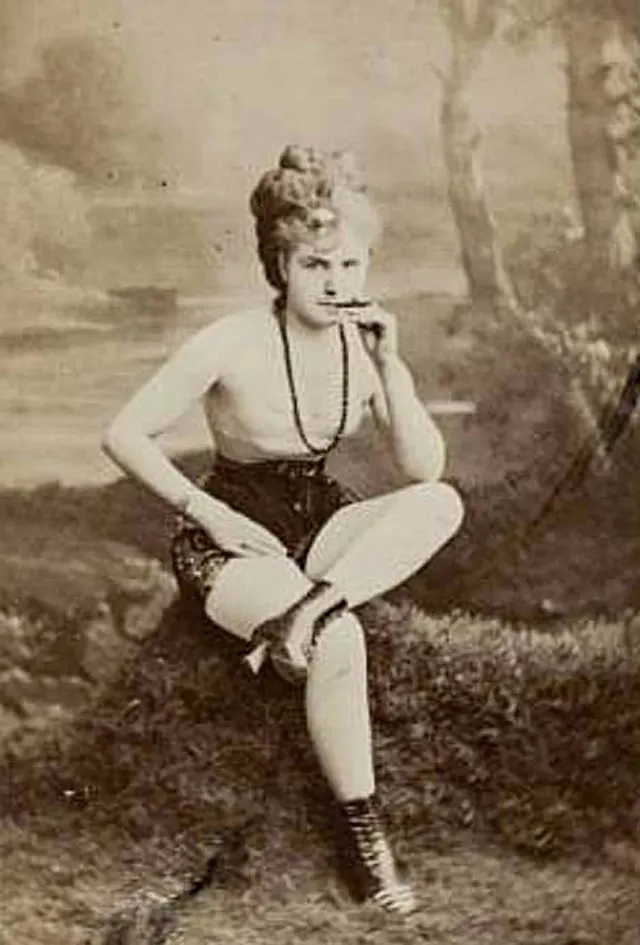
Gabrielle Elluini.
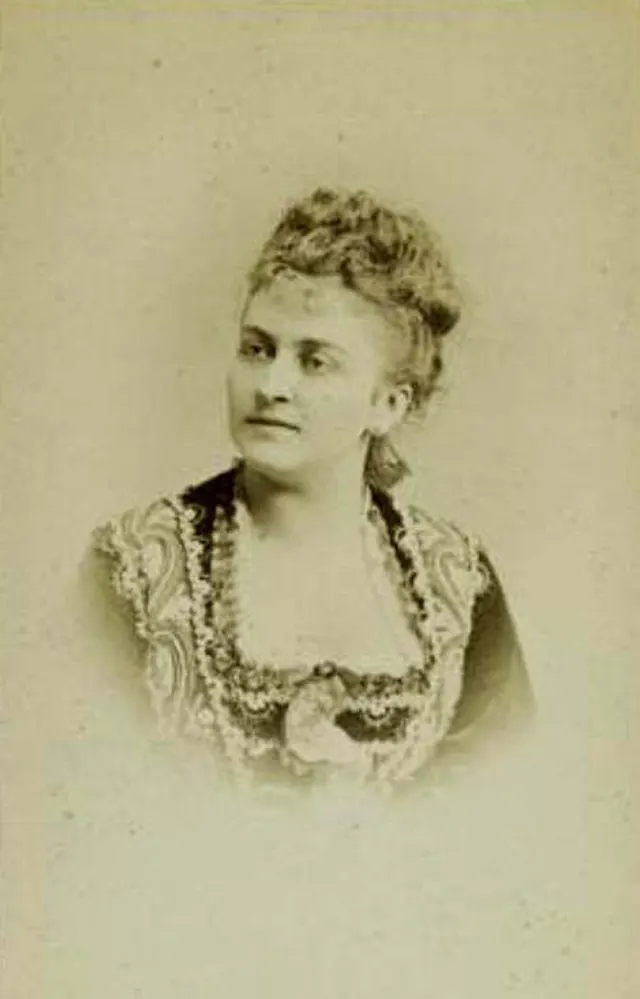
Juliette Grandville (in 1880) was described as ‘a magnificent dark woman’.
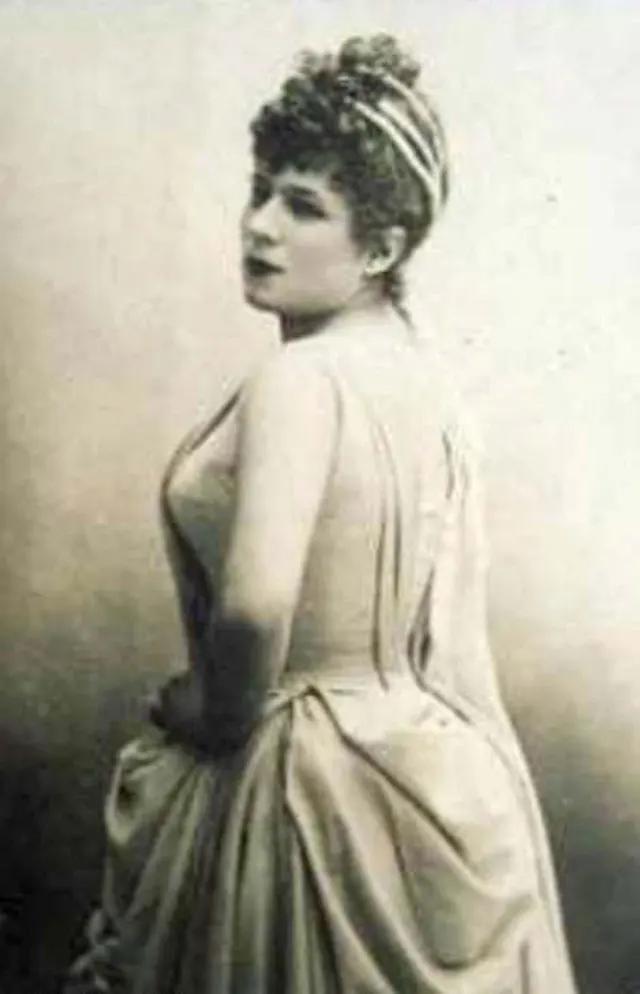
The famous Jeanne Granier (pictured), who featured in ‘The Pretty Women of Paris’ – the nineteenth century directory for the French capital’s best courtesans and brothels.
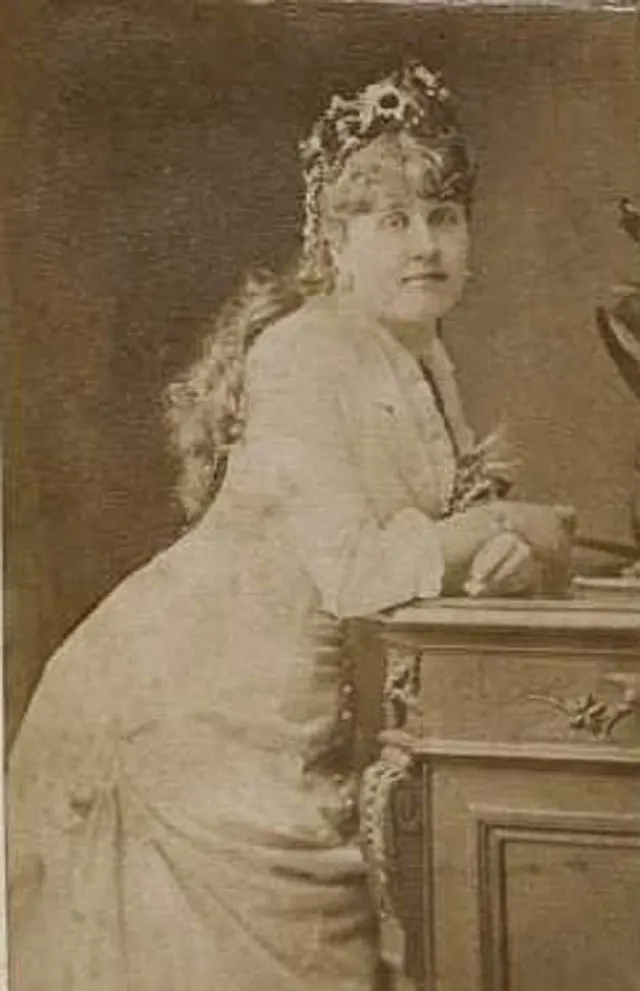
Marie Folliot (pictured in about 1880) was listed as living at 9 rue de L’I’sly in Paris. The guide said of the prostitute that ‘her bosom is a splendid sight; the globes being beyond the normal size, and tipped with two sweet, rosy nipples’.
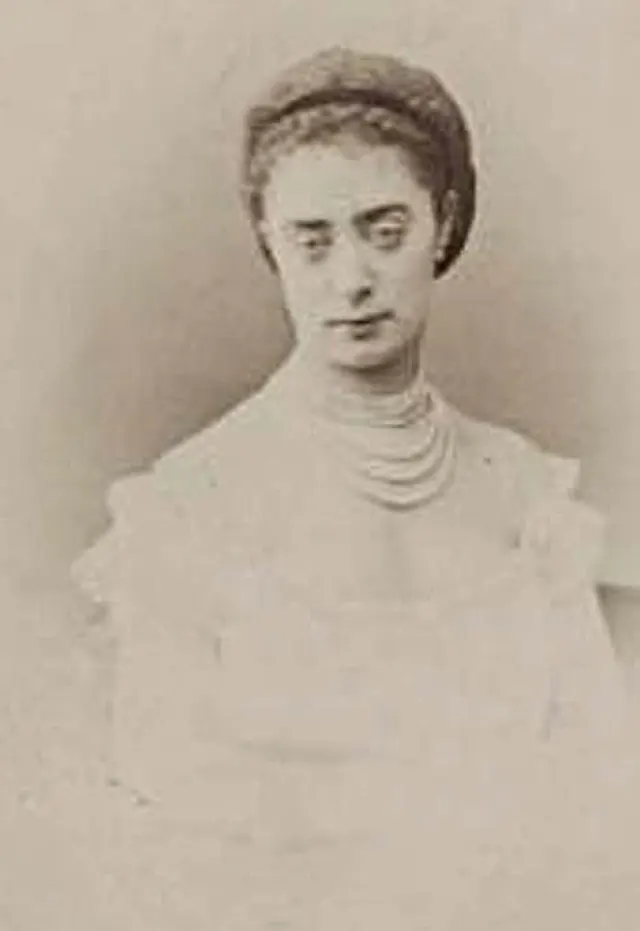
Caroline Letessier (in 1880) was said to have been one of the most celebrated and wealthy prostitutes of her day.
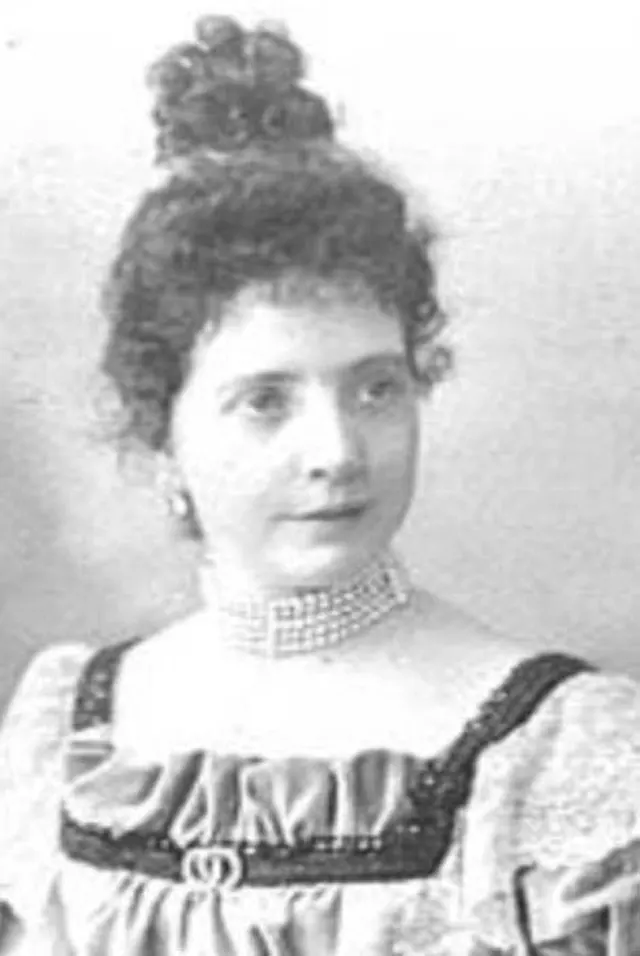
Maria Legault (in 1880) was said to be willing to entertain clients together with sister Angele ‘if sufficient offers are made’. The guide added that ‘the hungry customer may strike a bargain for the pair, and be comfortably sandwiched between two blonde firm-fleshed beauties, who are about 25 years old’.
(Photo credit: The Pretty Women of Paris / Wikimedia Commons).