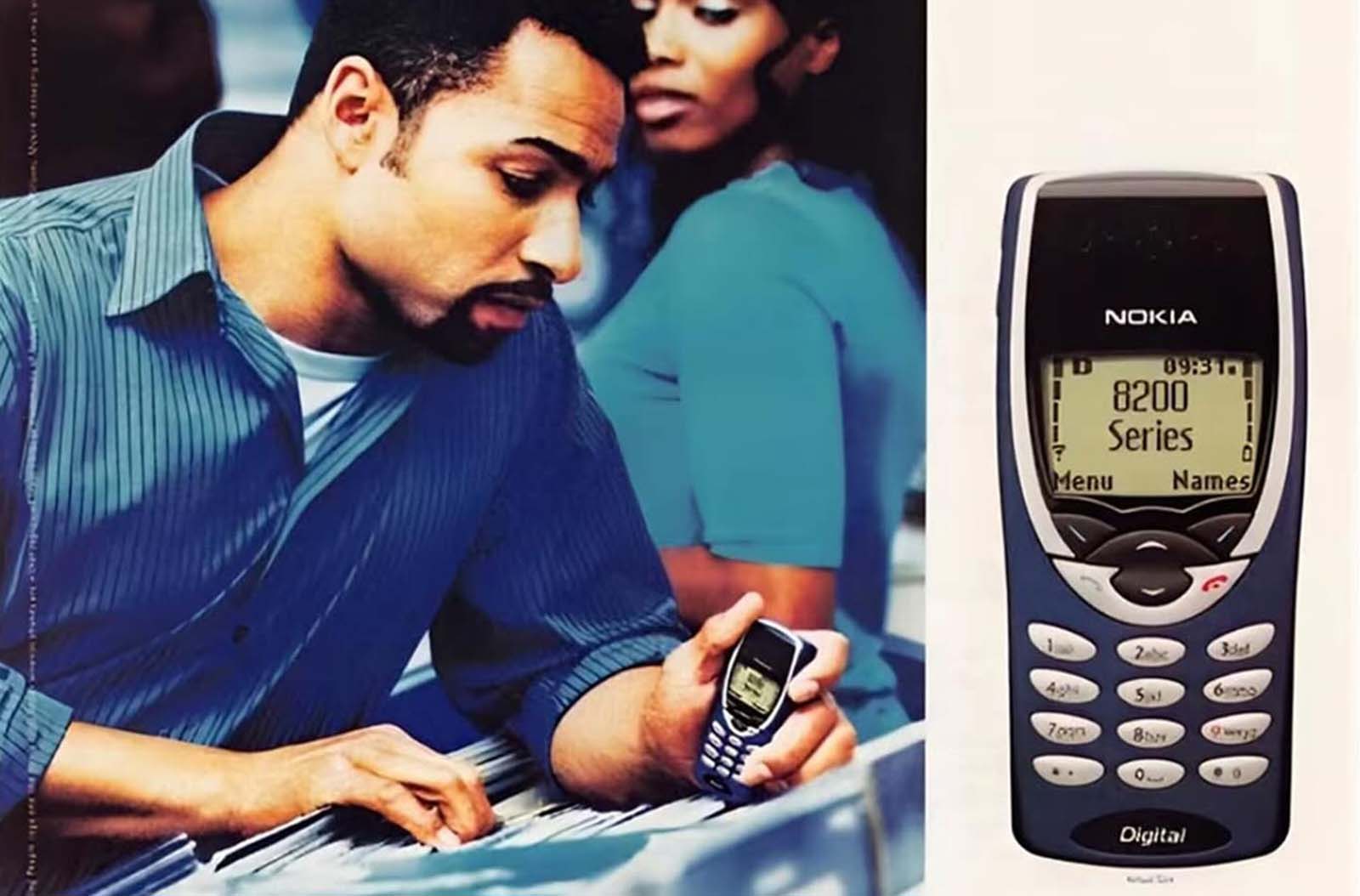
 There’s a particular kind of magic in stumbling across an old advertisement, that split-second jolt of recognition followed by a wave of memories you didn’t know were still sitting there, waiting.
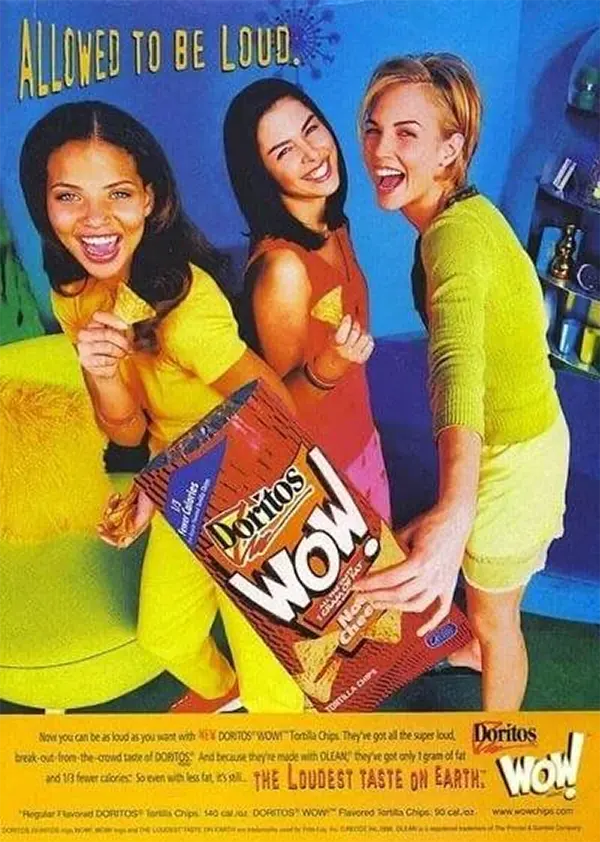
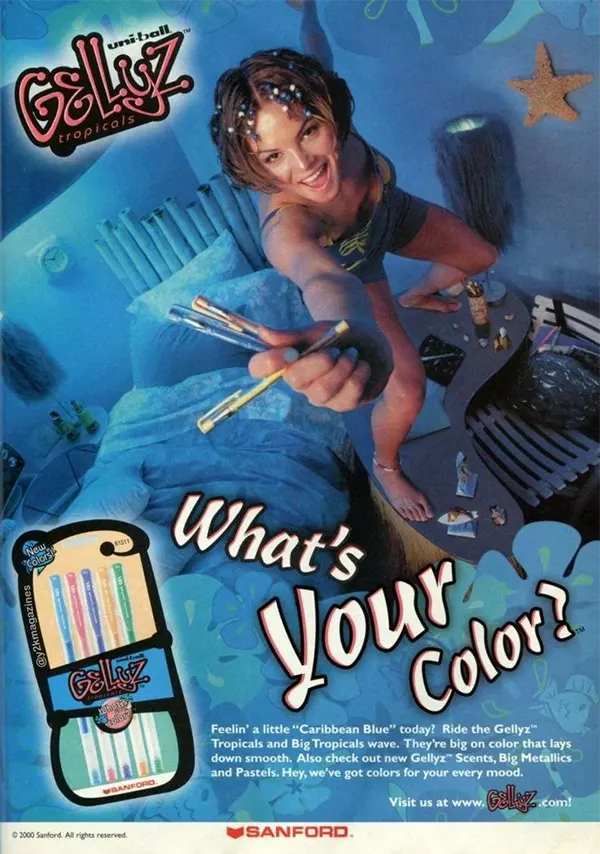
Flip through any collection of 2000s print and television ads, and that’s exactly what happens. The colors hit first: saturated blues, hot pinks, and metallic silvers that seemed to glow off the page.
Then come the shapes, bubble fonts, swooping curves, and that unmistakable lo-fi digital sheen that defined an entire decade of design.
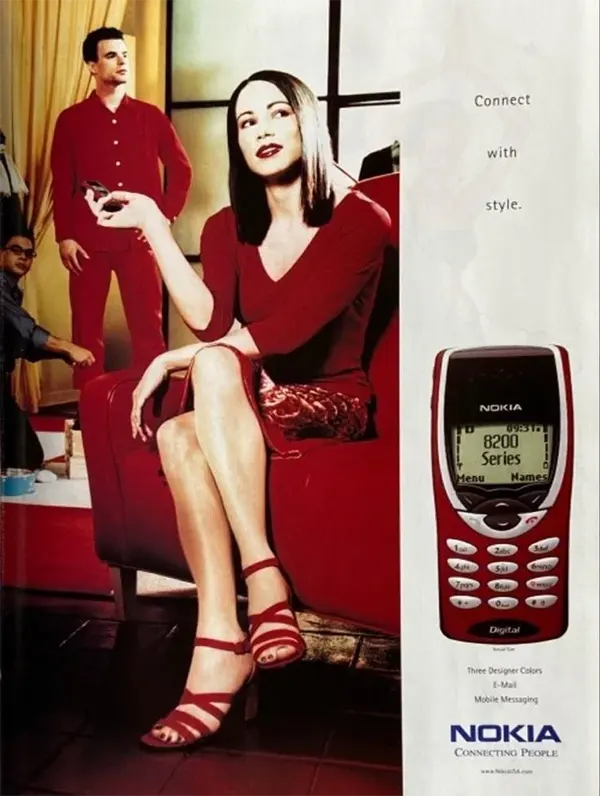 This visual language didn’t appear by accident. The original aesthetic was a blend of decades and influences, pairing nostalgic cues from the 1960s and 1970s with genuine excitement about the internet’s growth and technological innovation around the turn of the millennium.
Advertisers were working within real technical limitations at the time, but those constraints ended up shaping a look that felt both playful and forward-thinking, a mix of dynamic futurism and retro charm that’s still instantly recognizable today.
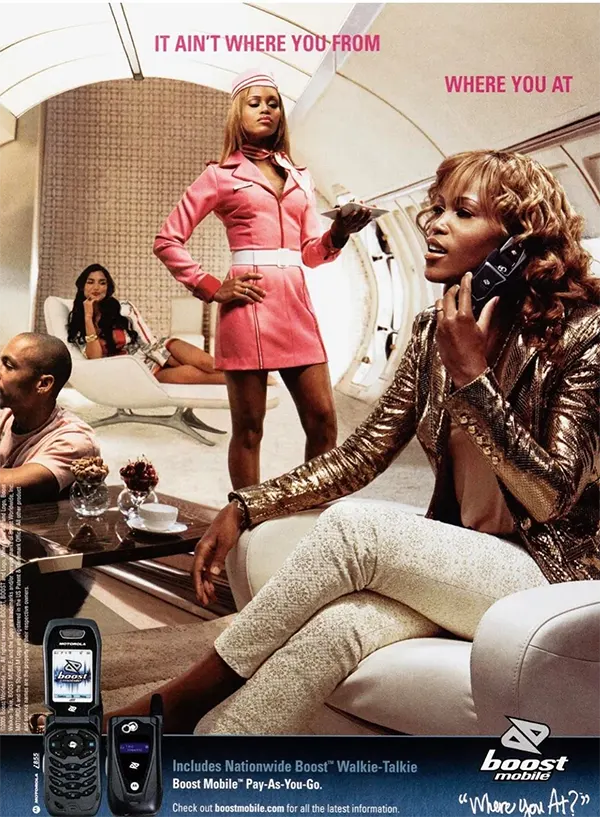 What made these ads so memorable wasn’t just how they looked, but what they were selling: a feeling.
Brands weren’t just pushing products in the early 2000s, they were promising a future that felt thrilling and within reach.
New gadgets, the early internet, flip phones, and portable music players all carried an air of possibility, and advertisers leaned into that energy with everything they had.
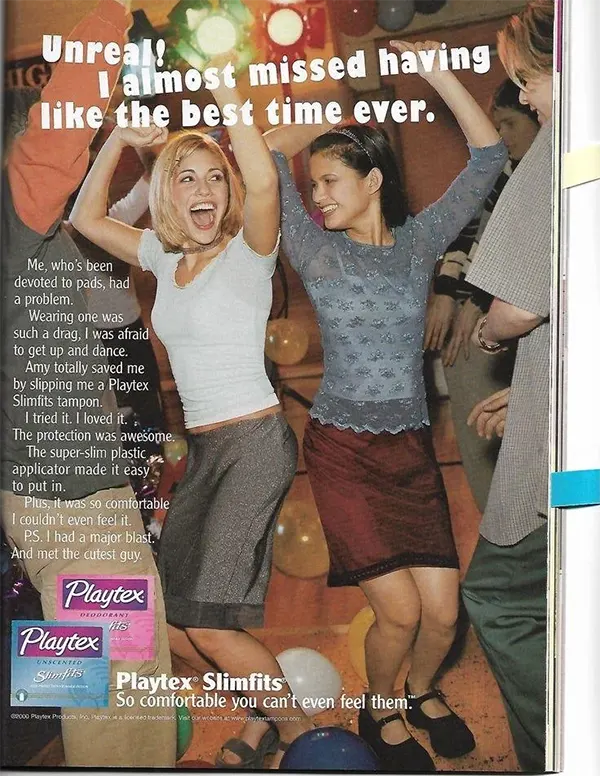 Chrome lettering and holographic finishes weren’t just stylistic choices; they were shorthand for “the future is here, and it’s exciting.”
Fashion and lifestyle brands captured this spirit just as much as tech companies did.
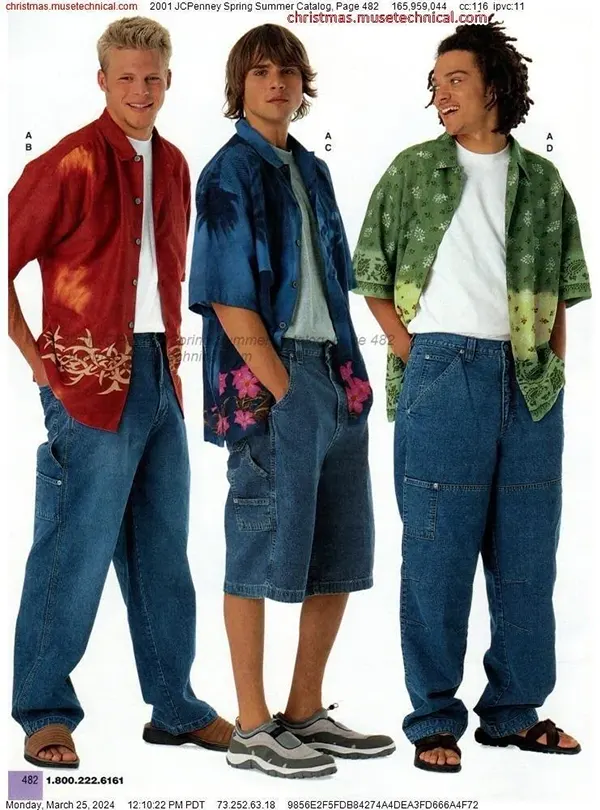
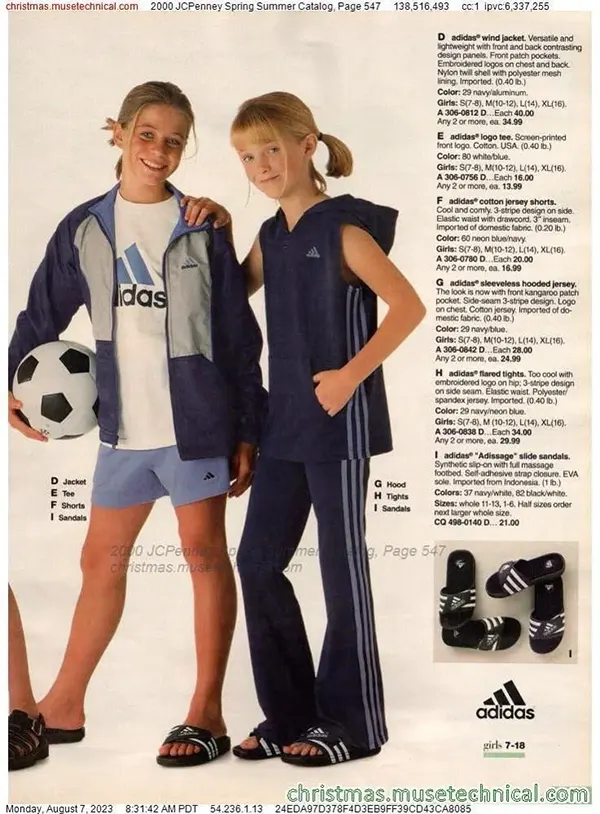
Velour tracksuits, logo-heavy denim, and glossy magazine spreads dominated advertising campaigns, often paired with bold color palettes and an unmistakable sense of confidence.
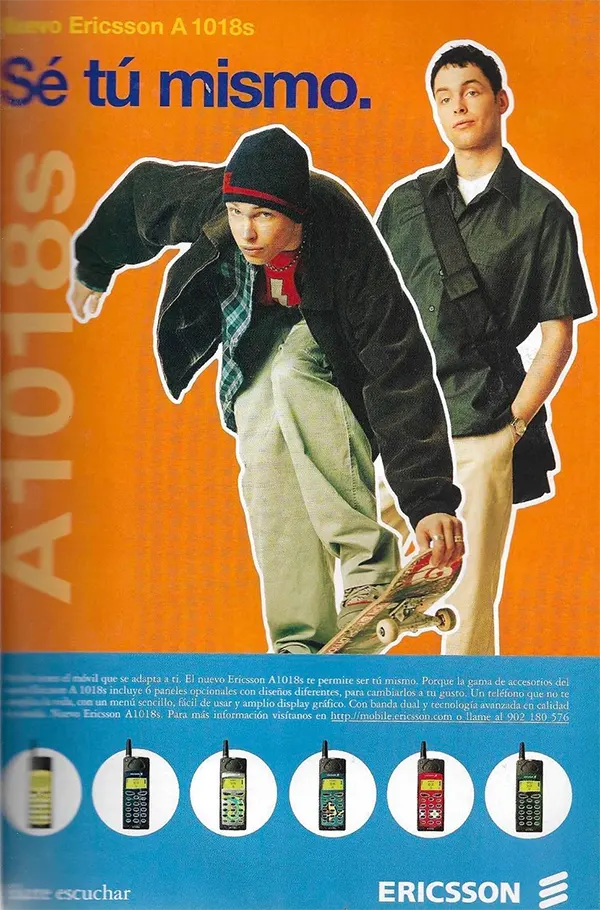 Brands known for their innovative denim and edgy campaigns, or their sexy, chic styles and memorable advertising, became synonymous with the decade’s visual identity.
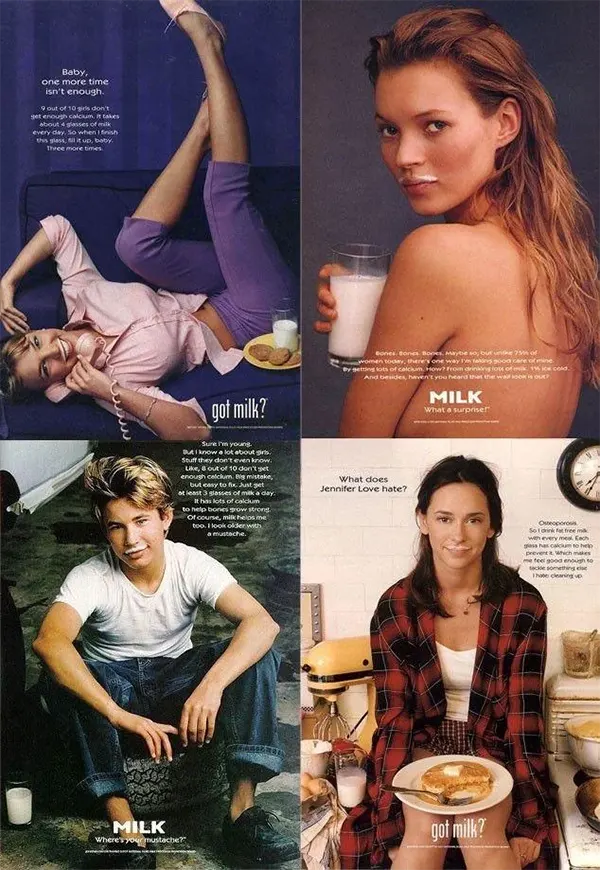
These weren’t subtle messages, they were loud, glamorous, and built to be remembered.
Looking back now, it’s easy to see why these images have aged into something genuinely charming rather than simply dated.
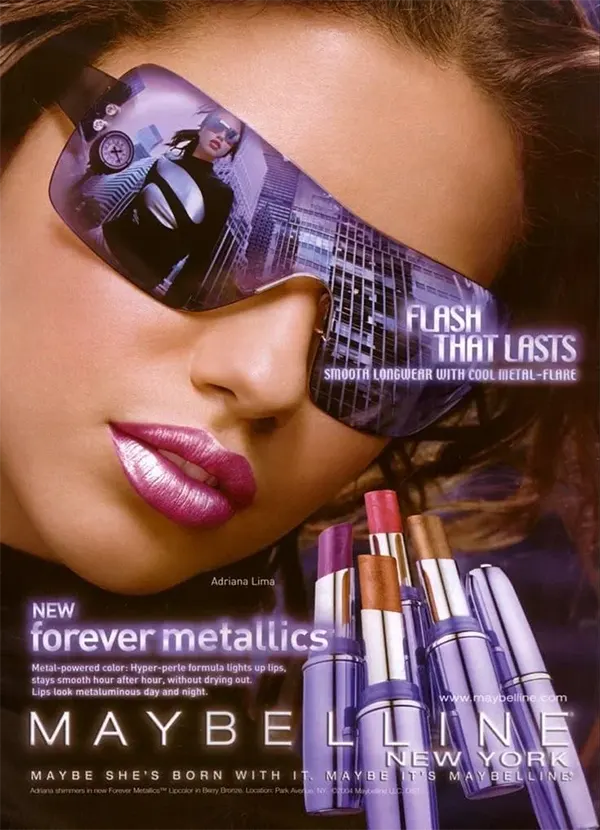 The early 2000s carried an optimistic, futuristic tone, a time when technology felt exciting rather than overwhelming, and that optimism comes through in every frame.
There’s an earnestness to these ads that feels almost refreshing compared to today’s polished, algorithm-driven marketing.
They weren’t trying to be ironic or self-aware; they were simply confident in their own moment.
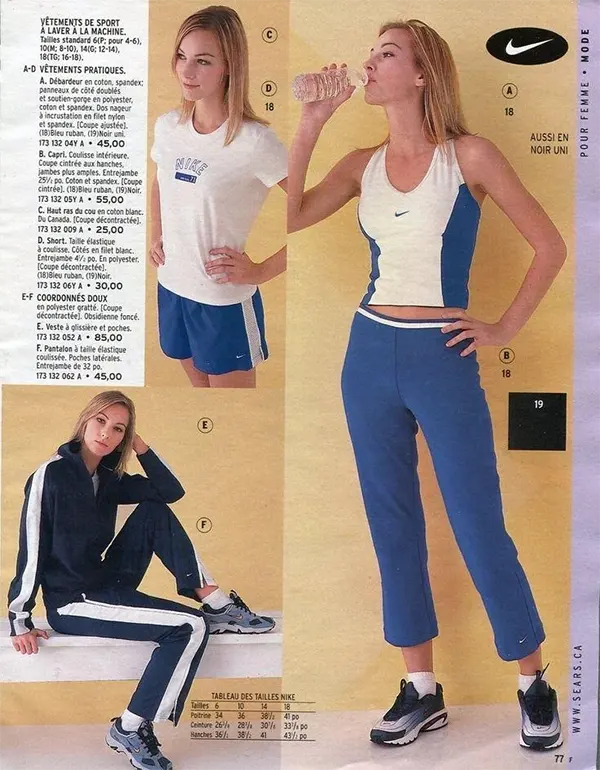 That confidence is part of why this aesthetic has found new life with younger audiences who never experienced it firsthand.
For many, embracing wired headphones, old digital cameras, or chunky tech accessories has become a kind of statement, a deliberate step away from constant wireless connectivity and toward something that feels more tactile and immersive.
The appeal isn’t just visual; it’s about slowing down and engaging with a different kind of media experience altogether.
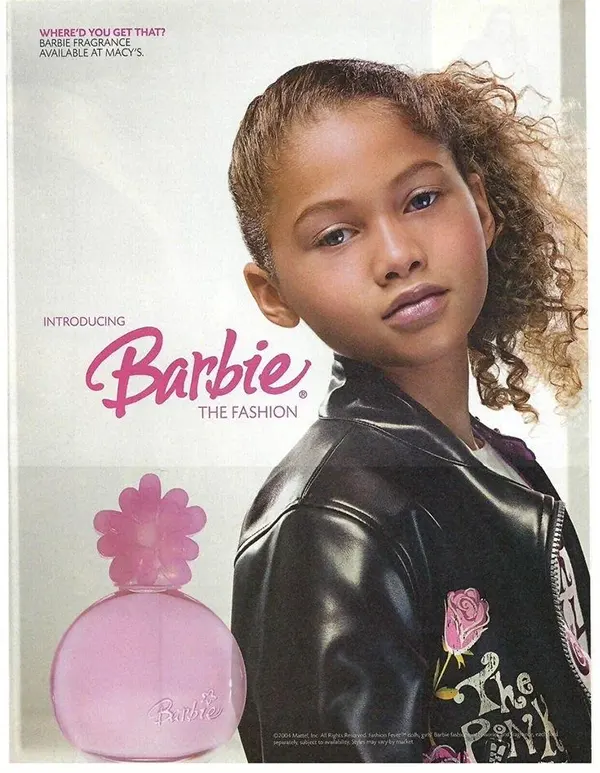 For those who lived through it, though, these photos hit differently.
They’re tied to specific memories, Saturday morning cartoons interrupted by jingles that are still stuck in your head decades later, magazine ads you tore out and taped to your wall, or the excitement of seeing a new product unveiled for the first time.
Nostalgia works because it taps into an emotional pull, prompting people to revisit past experiences and the feelings attached to them, and few things do that as effectively as a well-preserved advertisement from your childhood or teenage years.
 Scrolling through this collection isn’t just a trip down memory lane, it’s a reminder of how much visual culture has shifted in just two decades.
The boldness, the color, the unapologetic embrace of “the future” all feel like artifacts from a slightly different world, even though that world wasn’t so long ago.
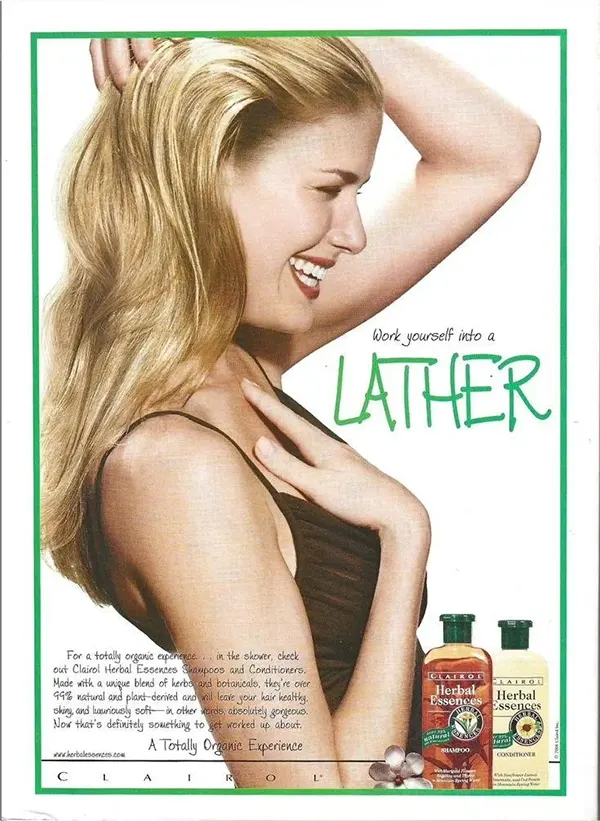
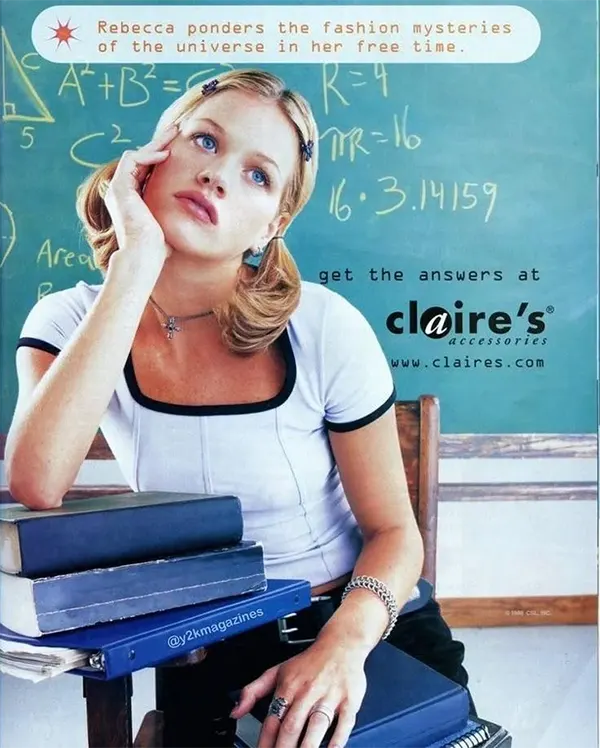
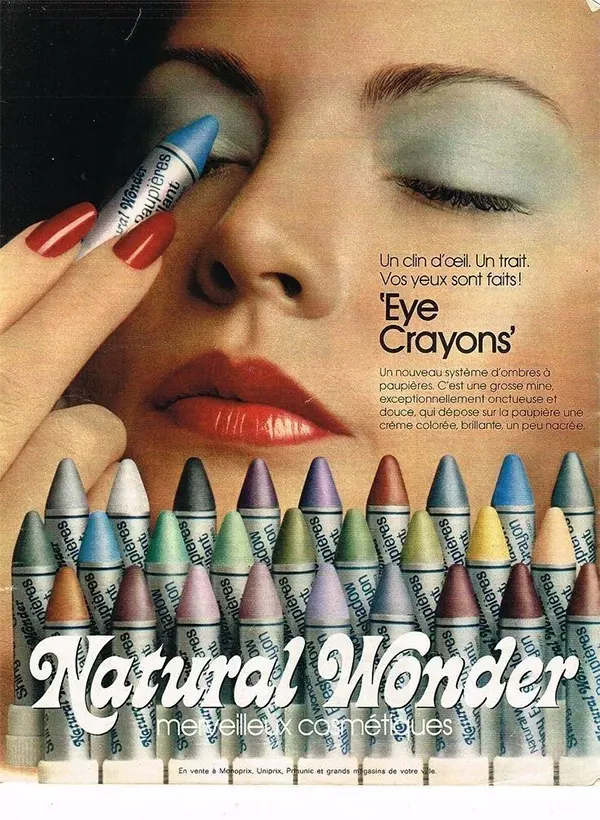
Take a moment to look through these images below, and don’t be surprised if a few of them bring back memories you’d completely forgotten you had.
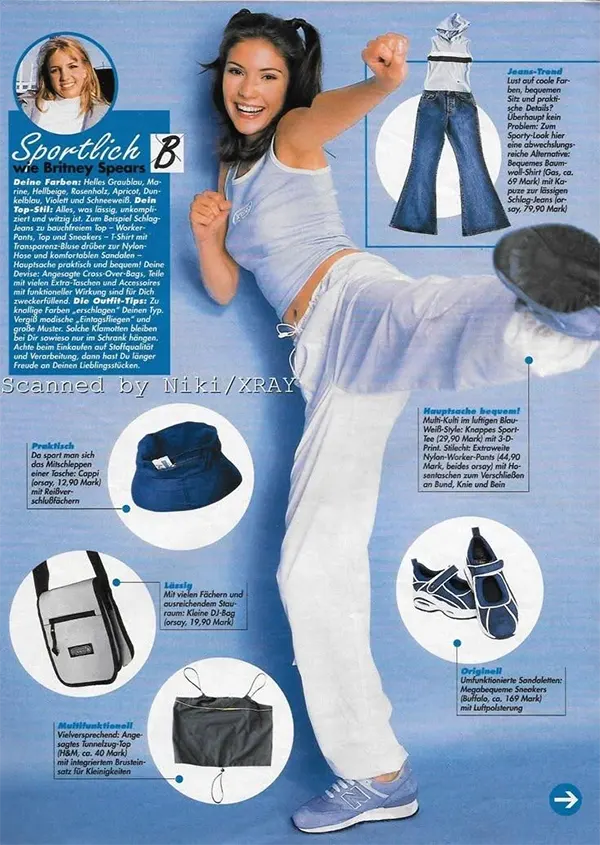
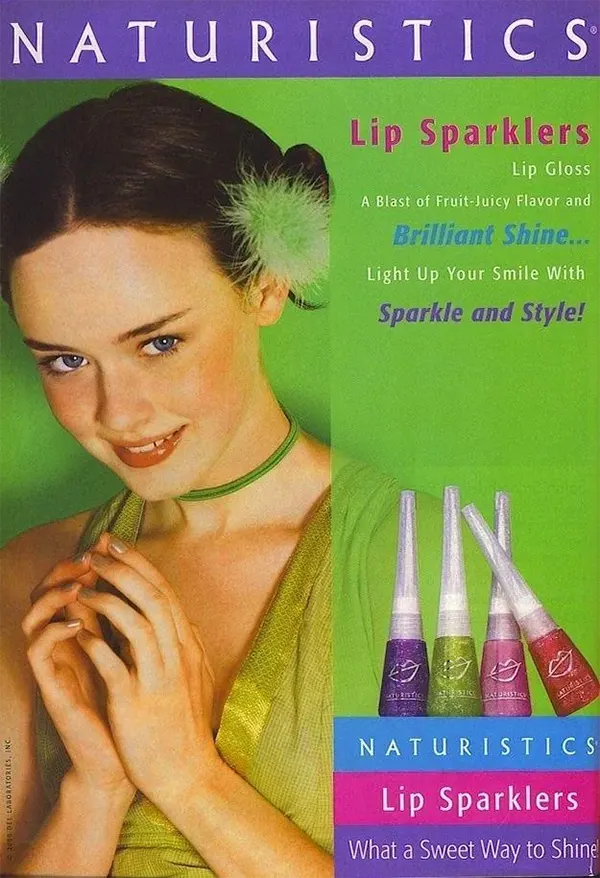
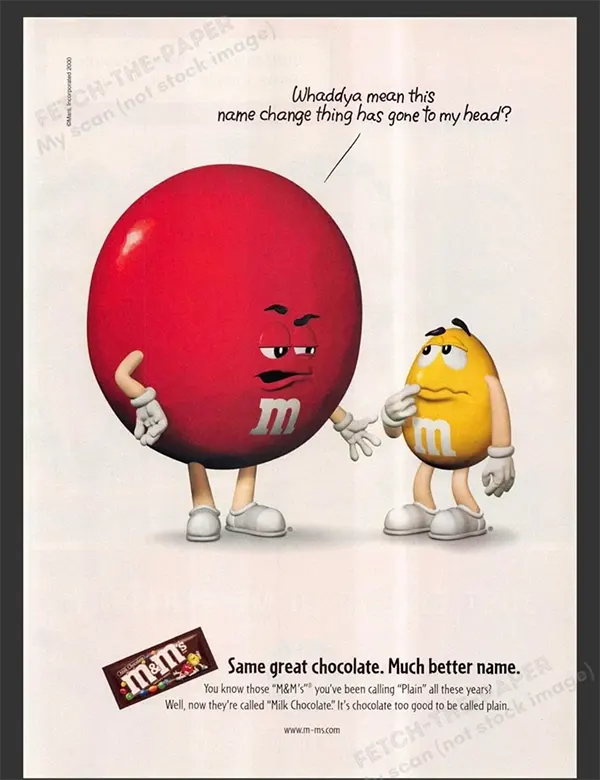
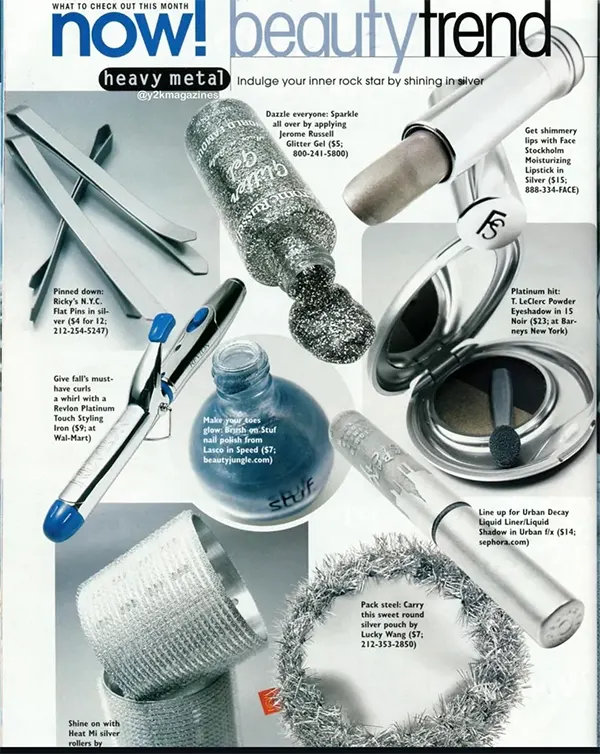
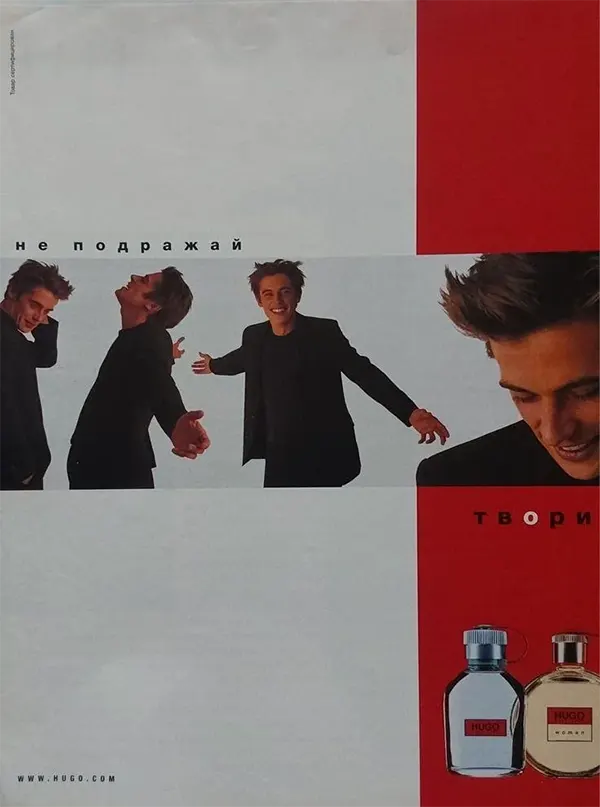
(Photo credit: Pinterest / Wikimedia Commons).