 In the 1930s, caring for people with mental illness in the United States was largely centered on large state hospitals, where patients could remain for months, years, or sometimes much of their lives.
These institutions were designed to provide housing, medical supervision, and psychiatric care on a scale that smaller hospitals and community services could not yet offer.
At the same time, treatment was still developing, and many of the approaches used today were either unavailable or in their earliest stages.
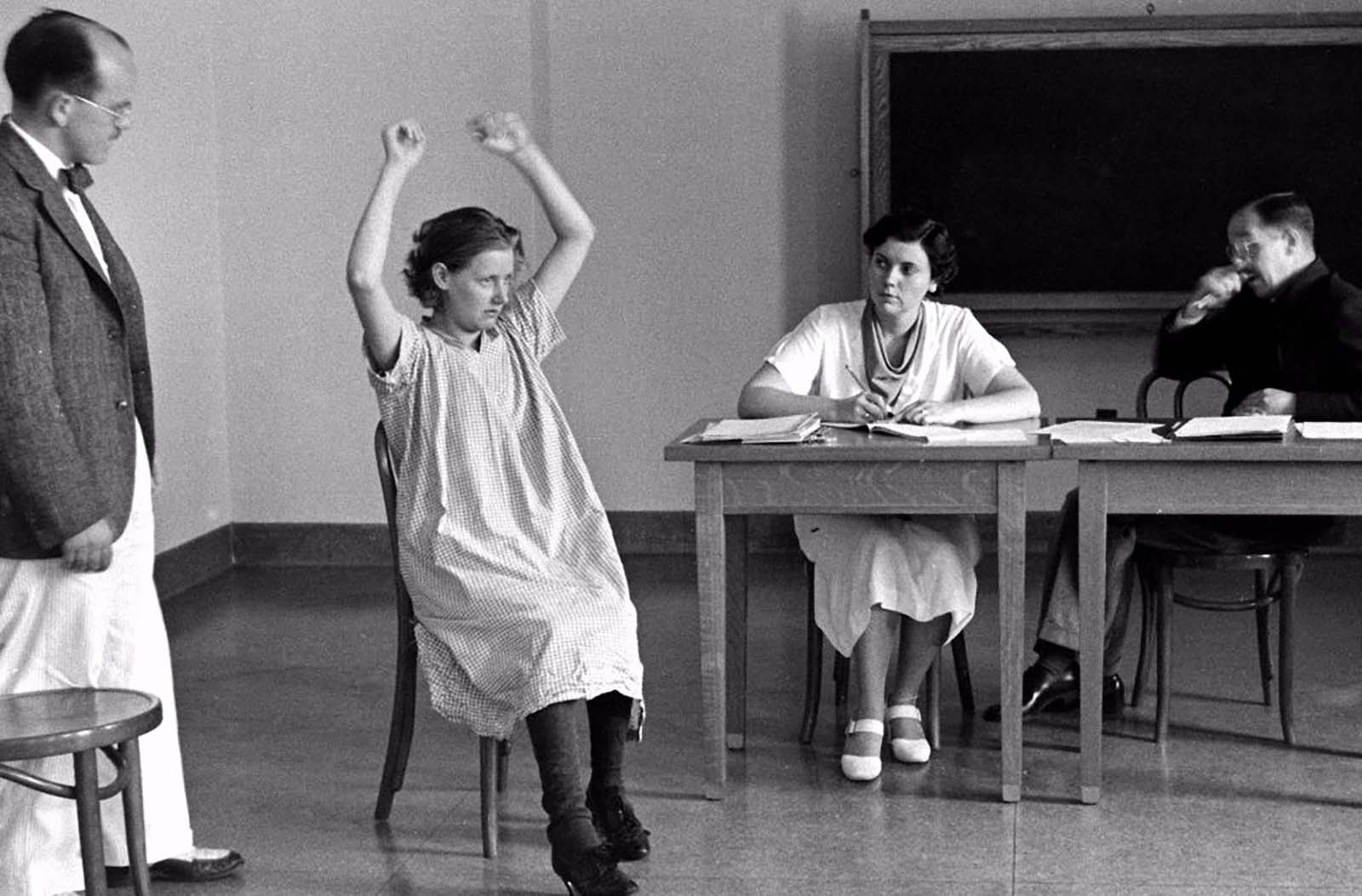
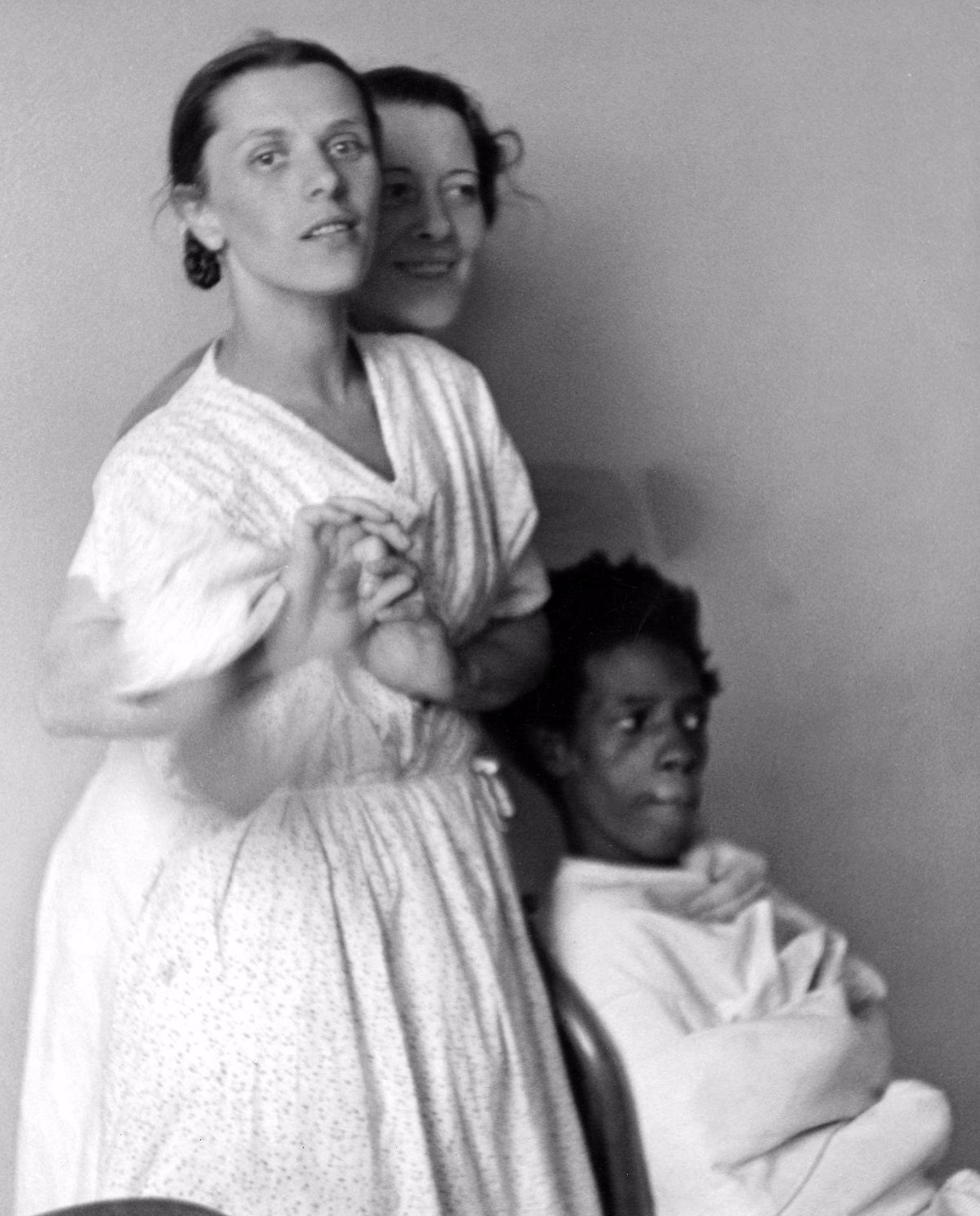
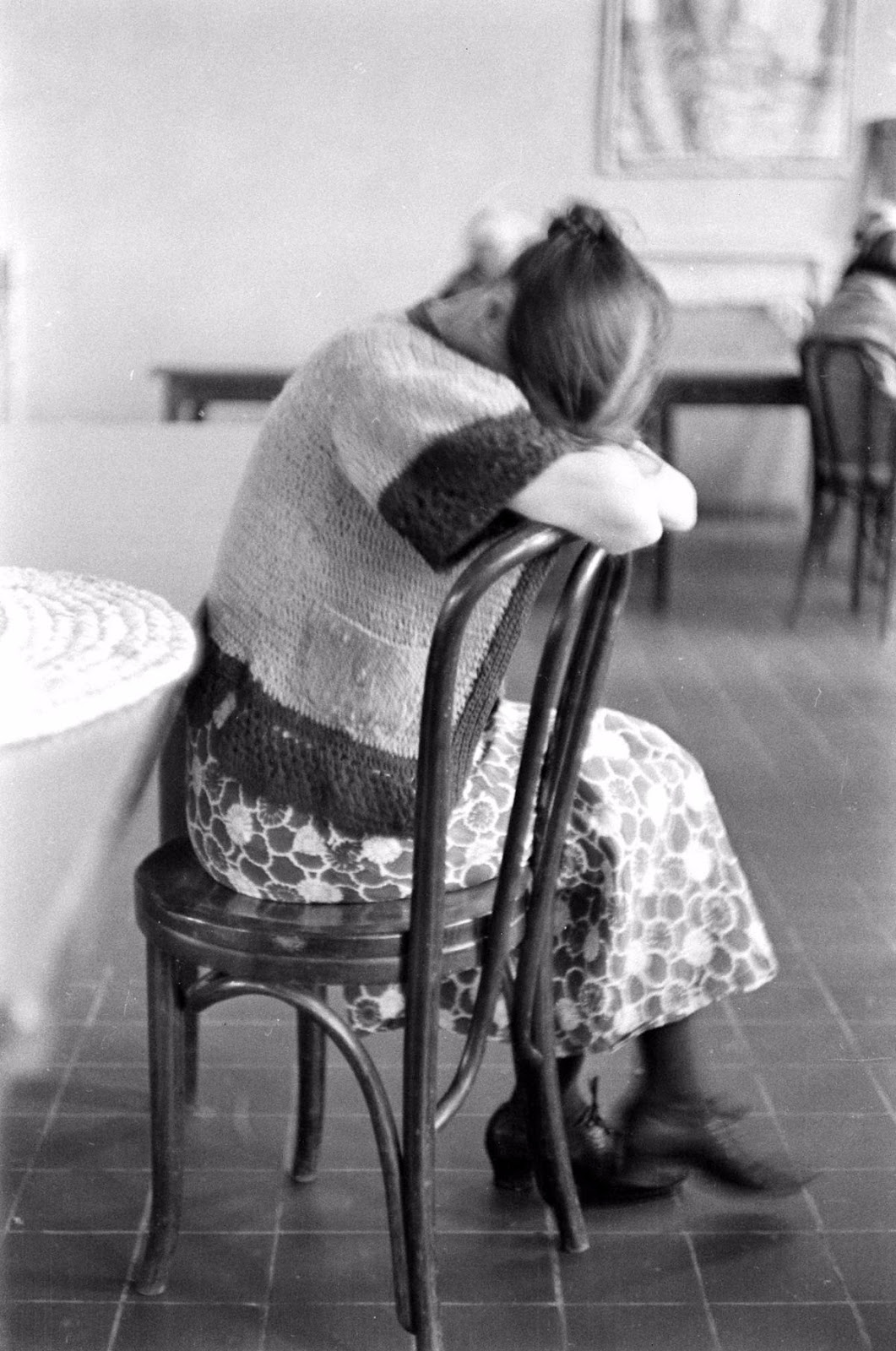
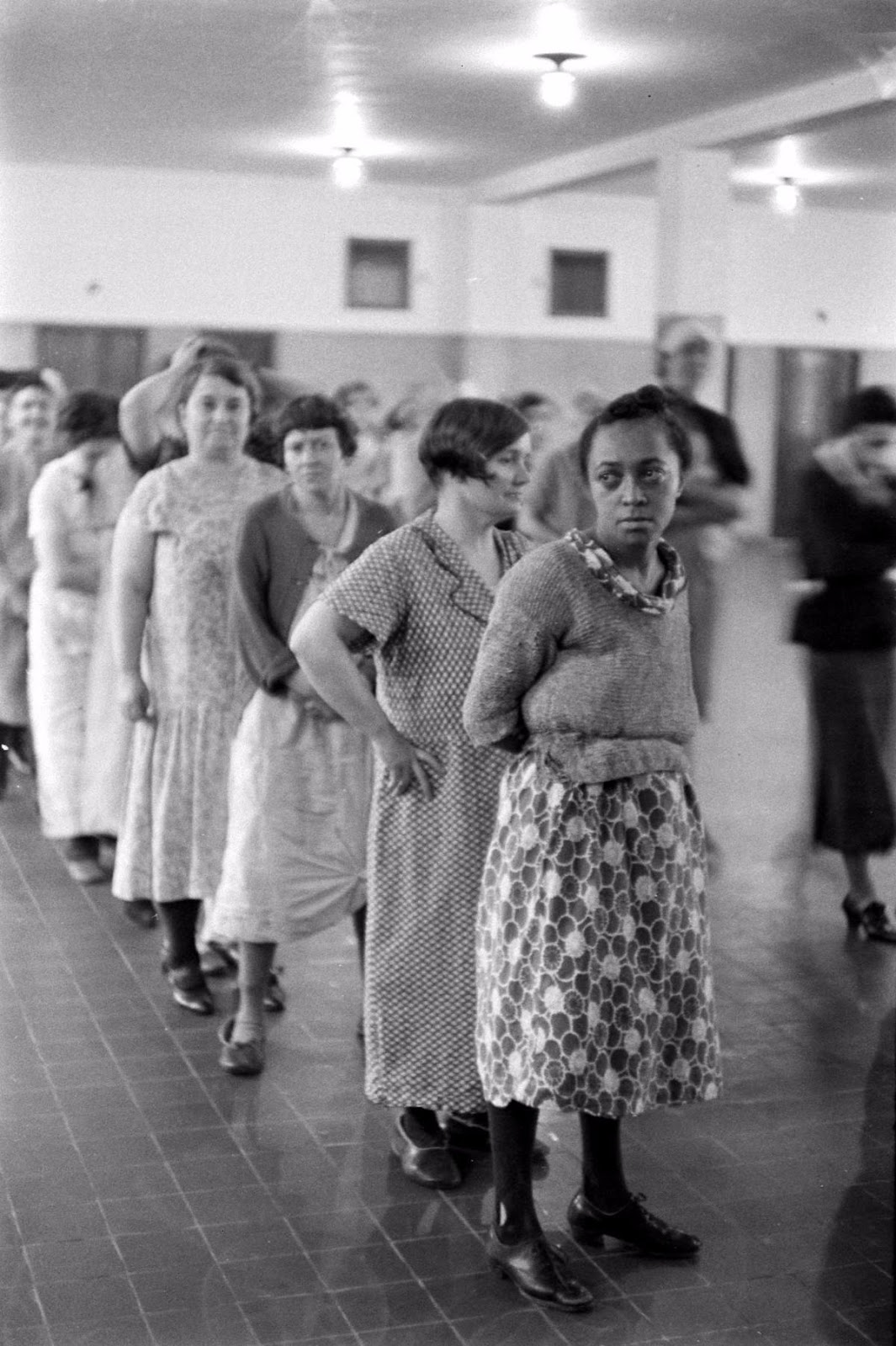
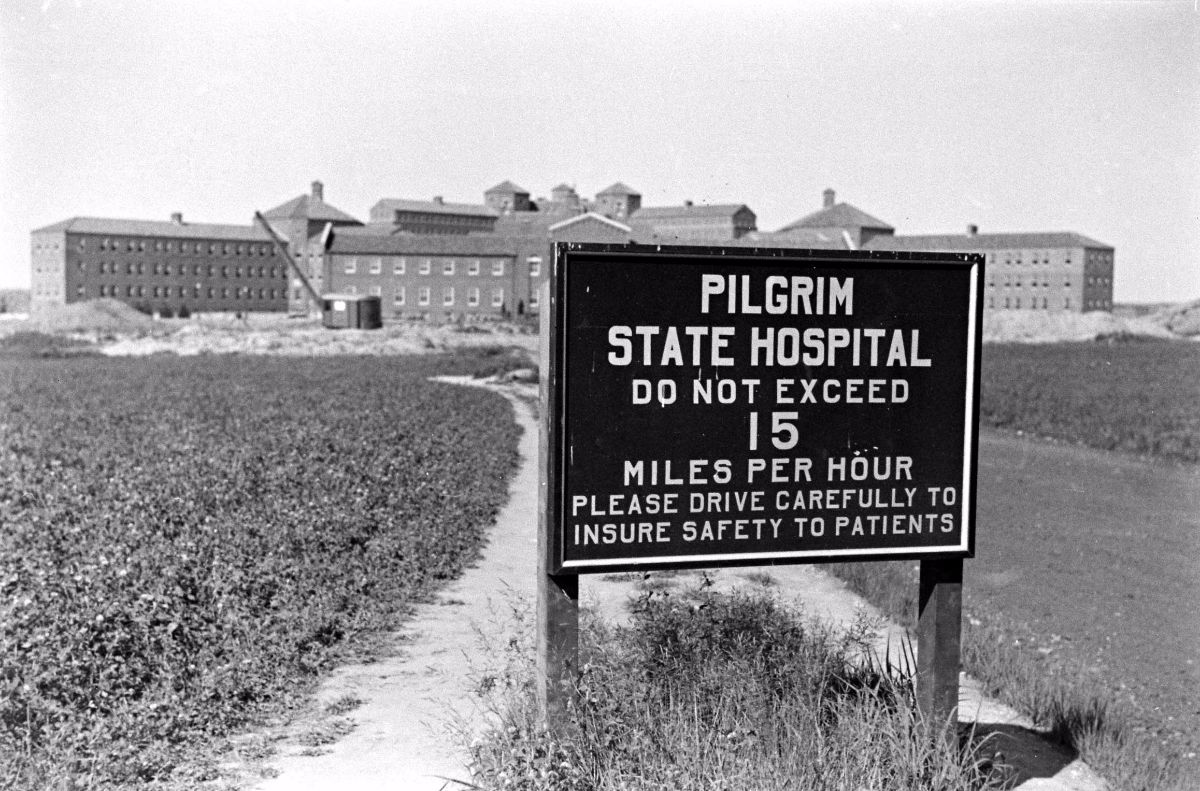
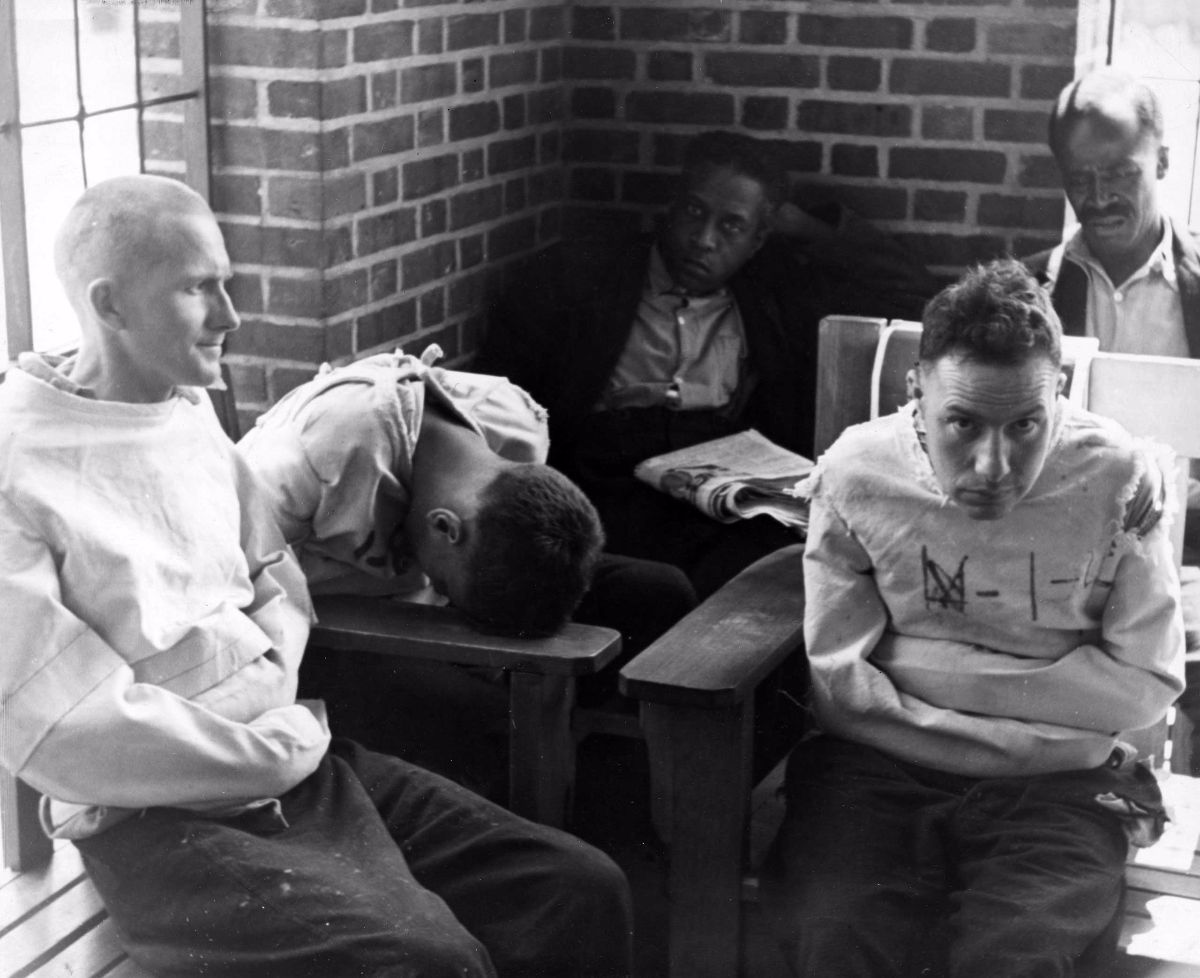 The photographs taken at Pilgrim State Hospital in 1938 by LIFE photographer Alfred Eisenstaedt provide a rare visual record of this system.
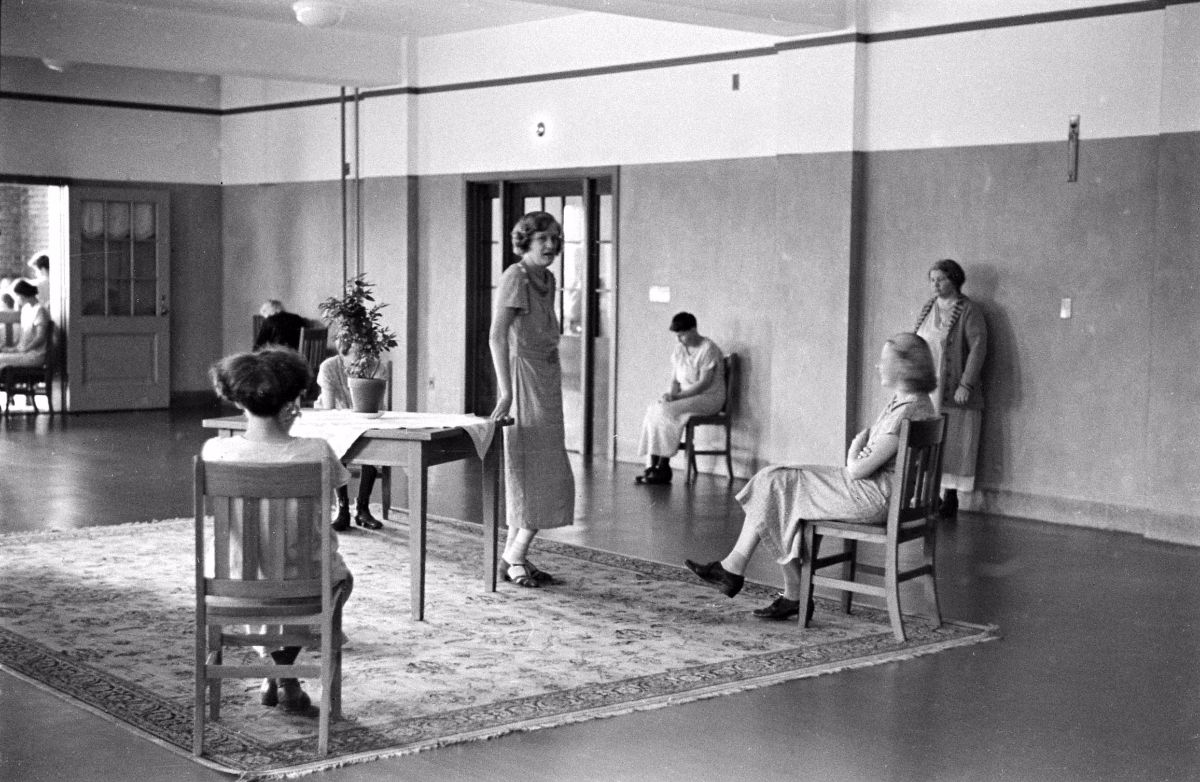
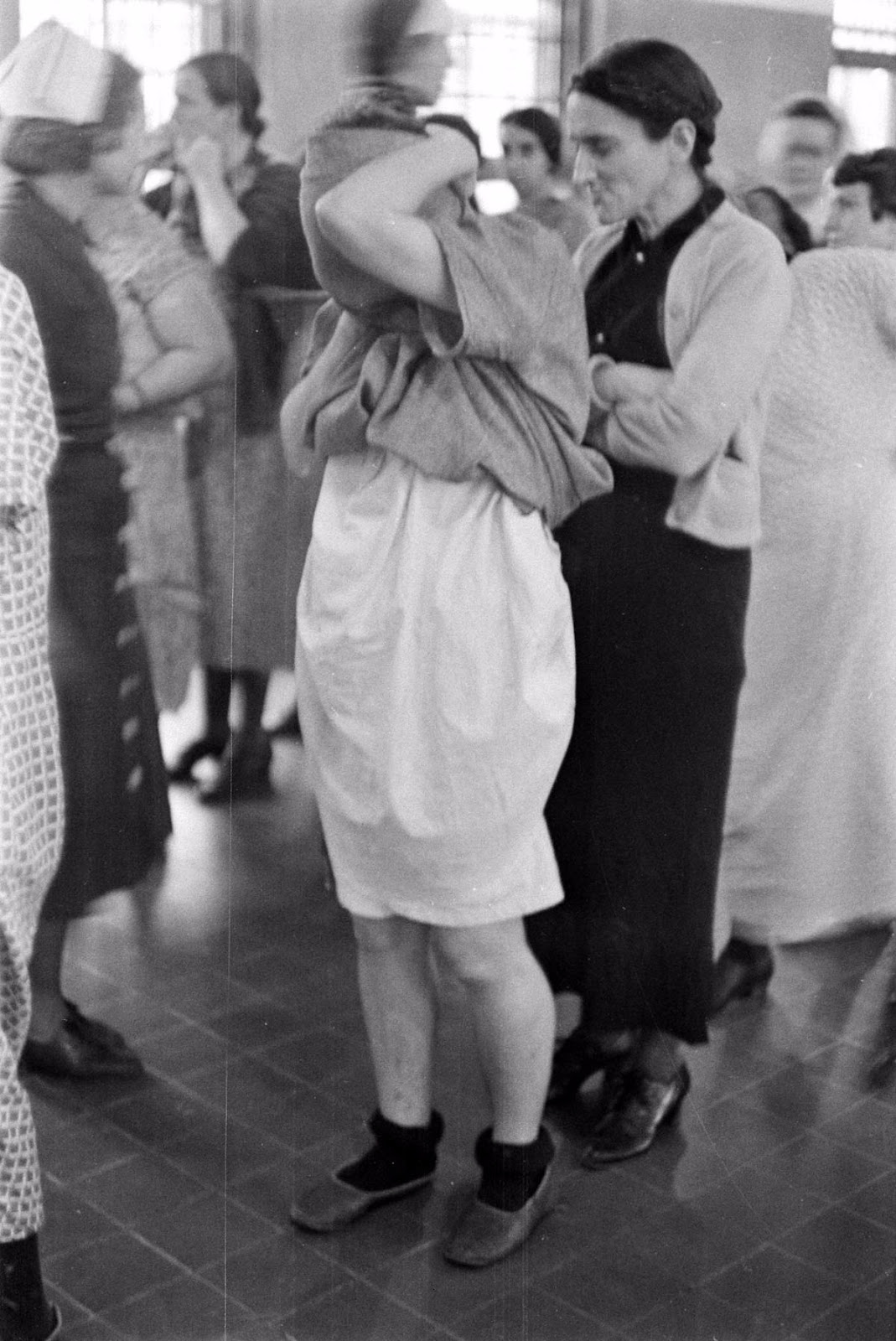
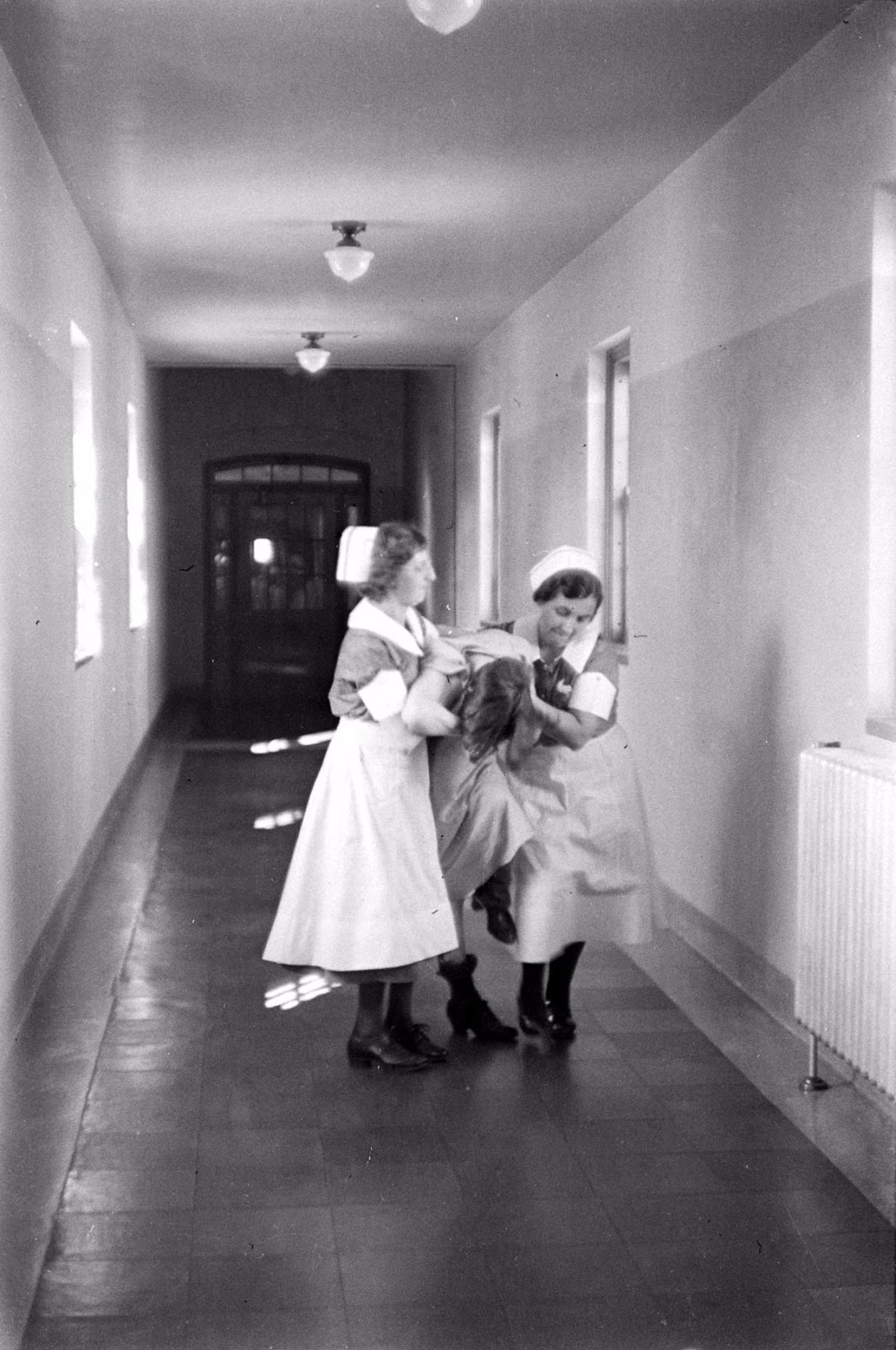
Rather than presenting psychiatric care only through doctors, treatments, and hospital buildings, the images focus attention on the people who lived within the institution and the routines that shaped their days.
Their value lies partly in the ordinary details: patients gathered together, spending time outdoors, working, resting, and moving through the grounds of an institution that functioned almost like a small town.
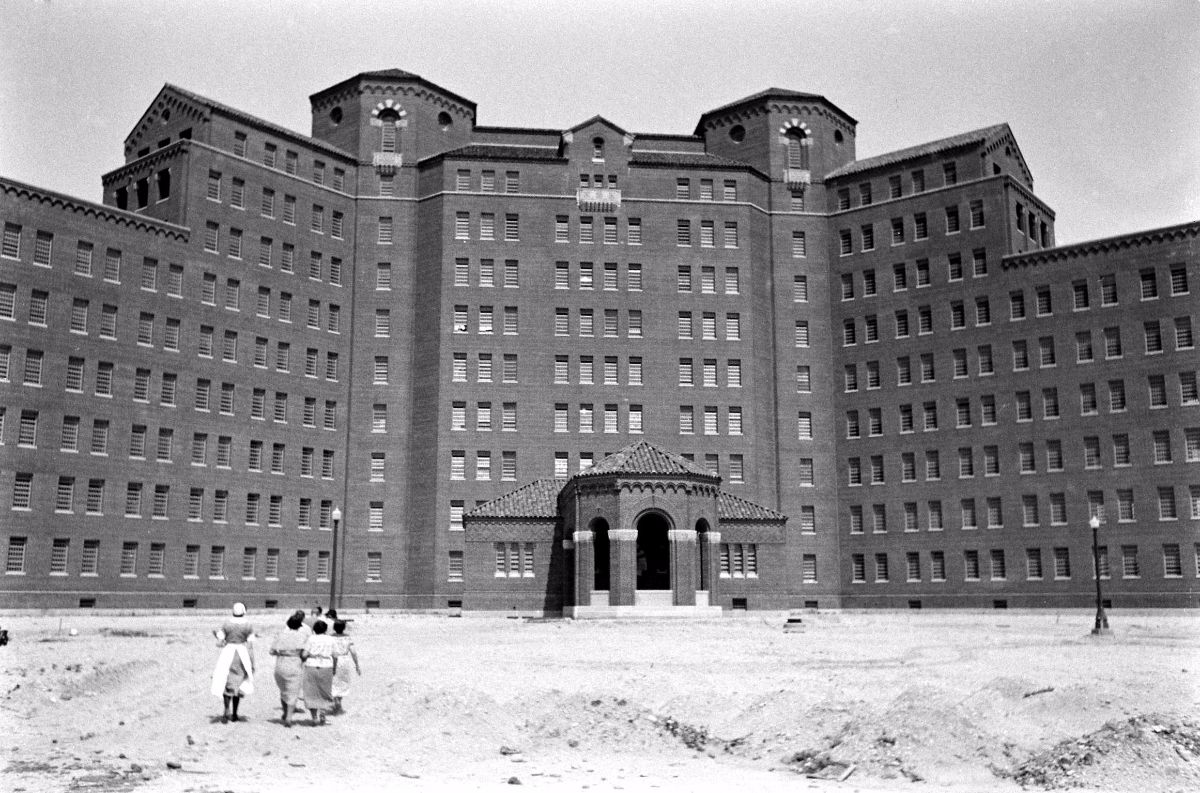 One of the largest institutions of the period was Pilgrim State Hospital on Long Island, New York.
Established by the state in 1929, the hospital opened in 1931 with 100 patients on an 825-acre campus. Within nine months, its population had grown to more than 2,000.
Pilgrim was built as a self-contained community, with its own power and heating plants, sewage system, fire and police departments, church, post office, athletic fields, greenhouse, and other facilities.
 The enormous scale of hospitals such as Pilgrim reflected the way mental illness was treated at the time.
Rather than relying primarily on short hospital stays followed by extensive community care, the system often placed people in large residential institutions where their daily lives were structured around the hospital.
Care could include medical observation, nursing, occupational activities, recreation, vocational training, and assistance with everyday tasks.
 Historical research shows that state hospitals in the 1930s used activities such as farming, laundry, food preparation, music, massage, hydrotherapy, and other forms of occupational and recreational work as part of patient care.
Psychiatric medicine itself was also in a period of transition. Doctors had relatively limited treatments compared with those available today, and some methods used during the first half of the 20th century could be invasive or carry serious risks.
 Psychotropic medications that would later transform psychiatric treatment had not yet become a central part of hospital care.
As a result, institutions depended heavily on nursing care, supervision, structured routines, occupational activities, and the treatments available at the time.
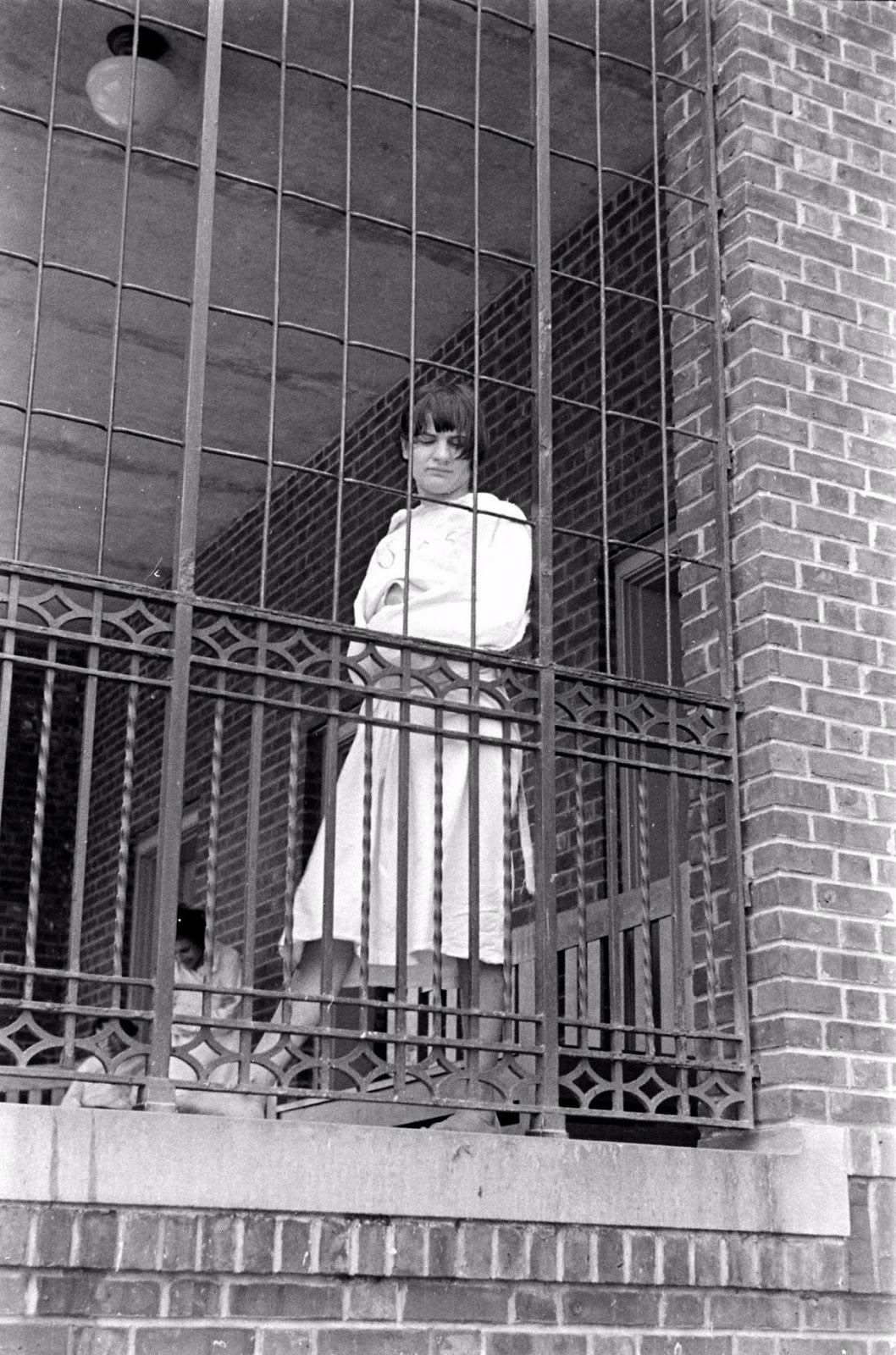 Life inside these hospitals could therefore vary considerably from one patient to another.
Some residents participated in work programs and recreational activities, while others required much closer supervision because of the severity of their conditions.
The institutions were intended not only to house patients but also, where possible, to provide treatment and prepare some individuals to return to their families or communities.
 The historical record also shows that not everyone was able to leave. In some state hospitals, patients remained institutionalized for many years, and some eventually died there.
Seen today, the photographs provide a window into a very different approach to mental health care.
They also offer important context for understanding how American psychiatric hospitals operated before modern medications, community-based treatment, and contemporary standards of psychiatric care became established.
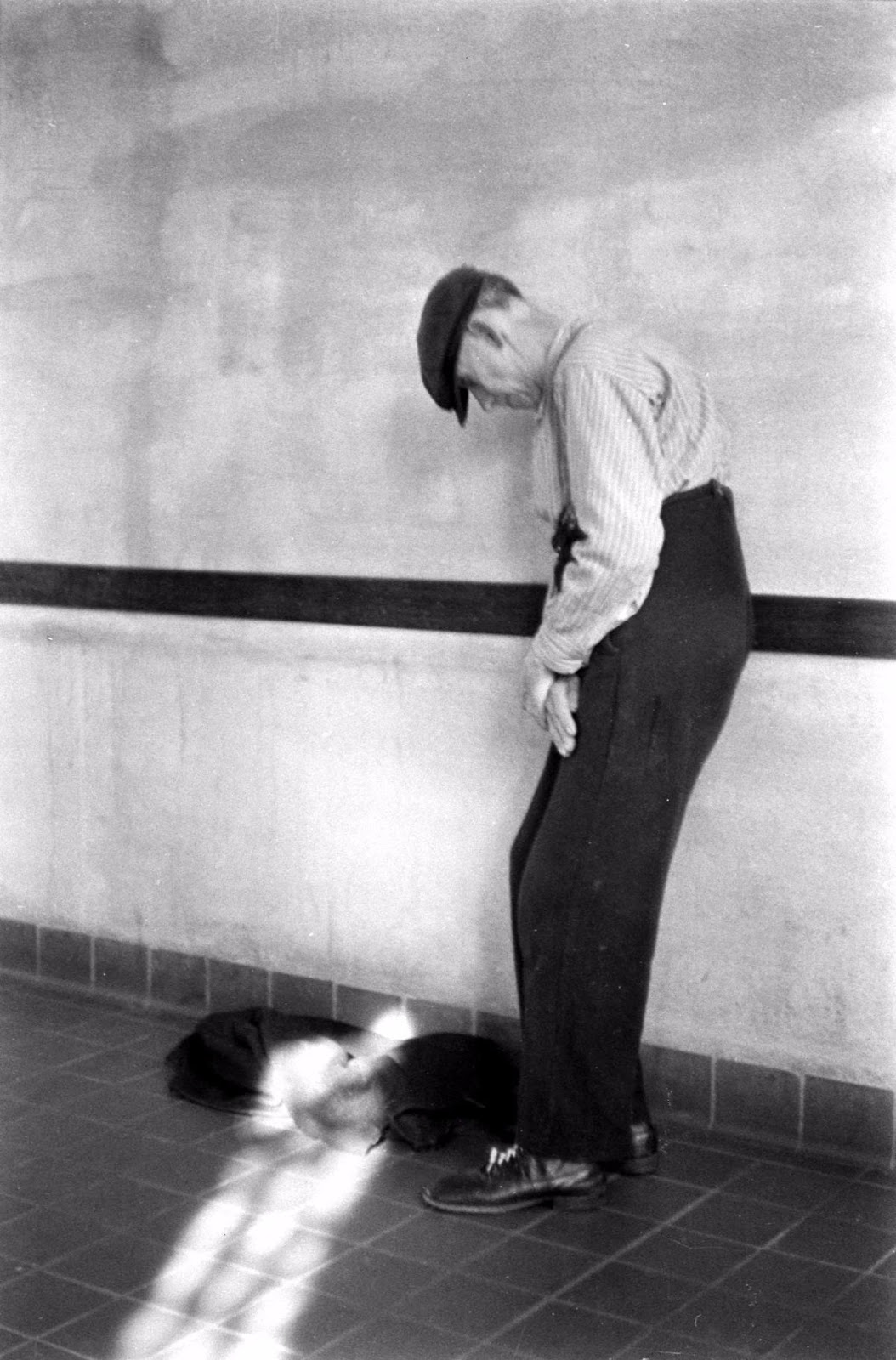 Pilgrim itself would eventually grow far beyond the institution Eisenstaedt photographed.
Its patient population reached a peak of 13,875 in 1954, making it one of the largest psychiatric hospitals in the world.



(Photo credit: Alfred Eisenstaedt / Time & Life Pictures).