 At the beginning of the 20th century, ideas about heredity and human improvement were being presented as modern science.
Across Britain, the United States, and other industrialized countries, eugenics gained supporters who believed society could be improved by encouraging some people to have children while discouraging or preventing others from reproducing.
The photographs from this period provide a revealing record of how these ideas were presented to the public and applied to real people.

Portraits demonstrating the standard head shapes of “criminal types” of various races. France, 1914.
Some of the images show individuals being photographed, examined, measured, or classified according to physical and supposed mental characteristics.
Others were used to illustrate traits that eugenicists considered undesirable.
What now appears deeply disturbing was promoted at the time through medical institutions, academic research, public lectures, exhibitions, books, and organizations that claimed to be applying scientific principles to human society.

A photograph of a Fich Henri Leon, a convicted criminal, with the measurements of his various body parts. Paris, France, 1902.
The origins of eugenics can be traced to Victorian Britain. The term “eugenics” was coined by British scientist Francis Galton in the late 19th century.
Galton, a cousin of Charles Darwin, became interested in heredity and argued that human characteristics could be influenced through selective reproduction.
His ideas developed alongside growing interest in heredity and evolution, although eugenics was not simply a direct extension of Darwin’s theory of natural selection.
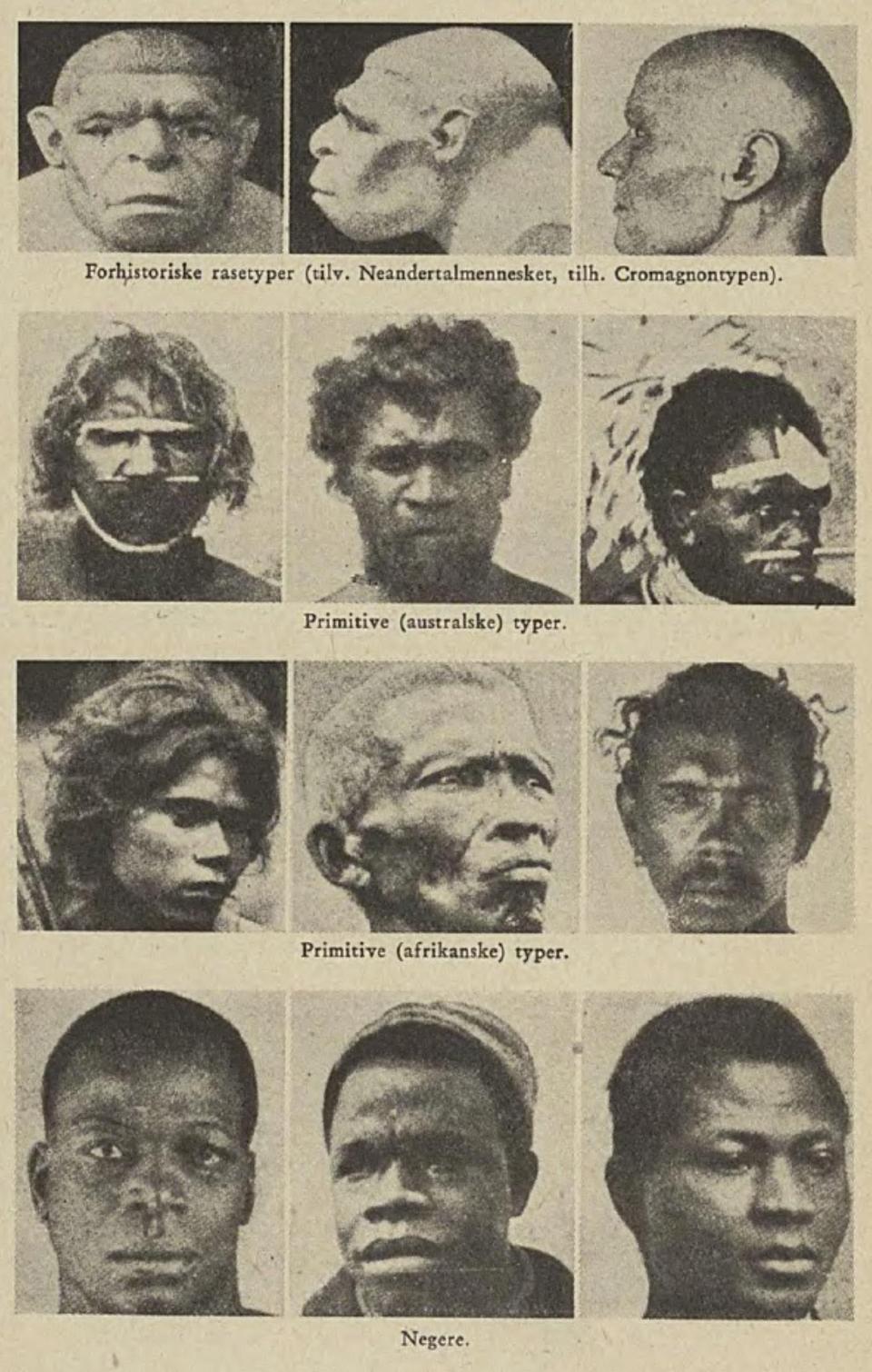
Photographs of “human races,” organized to suggest a common trait shared by “primitive” Australians, Africans, and Neanderthals. Norway, 1939.
It became a separate social and political movement built around the belief that human reproduction could and should be deliberately managed.
The movement gained momentum in the decades that followed. By the early 1900s, eugenic organizations had appeared in Britain and the United States, and similar movements emerged in countries across Europe and beyond.
Britain’s Eugenics Education Society was founded in 1907 to promote public awareness of hereditary traits and what its members viewed as their social implications.
Its activities included lectures, educational material, research into family histories, and campaigns concerning reproduction and sterilization.
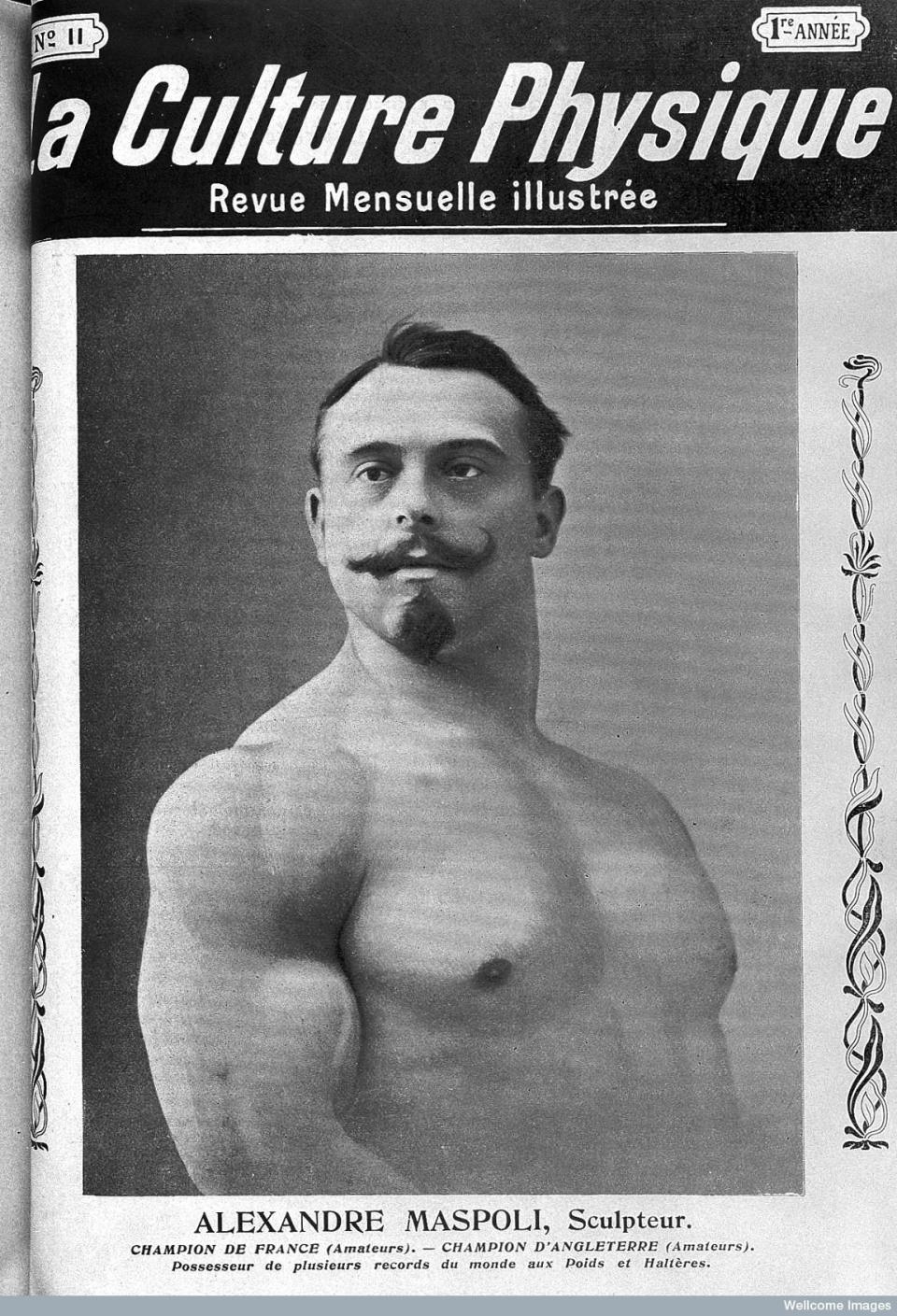
French weightlifter Alexandre Maspoli poses as an ideal human specimen on the cover of La Culture Physique. France, 1904.
The United States became another major center of eugenic research and advocacy.
American eugenicists attempted to classify characteristics such as intelligence, physical appearance, disability, criminality, poverty, and other social conditions as hereditary.
These assumptions were often based on flawed interpretations of genetics and were shaped by existing racial and social prejudices.
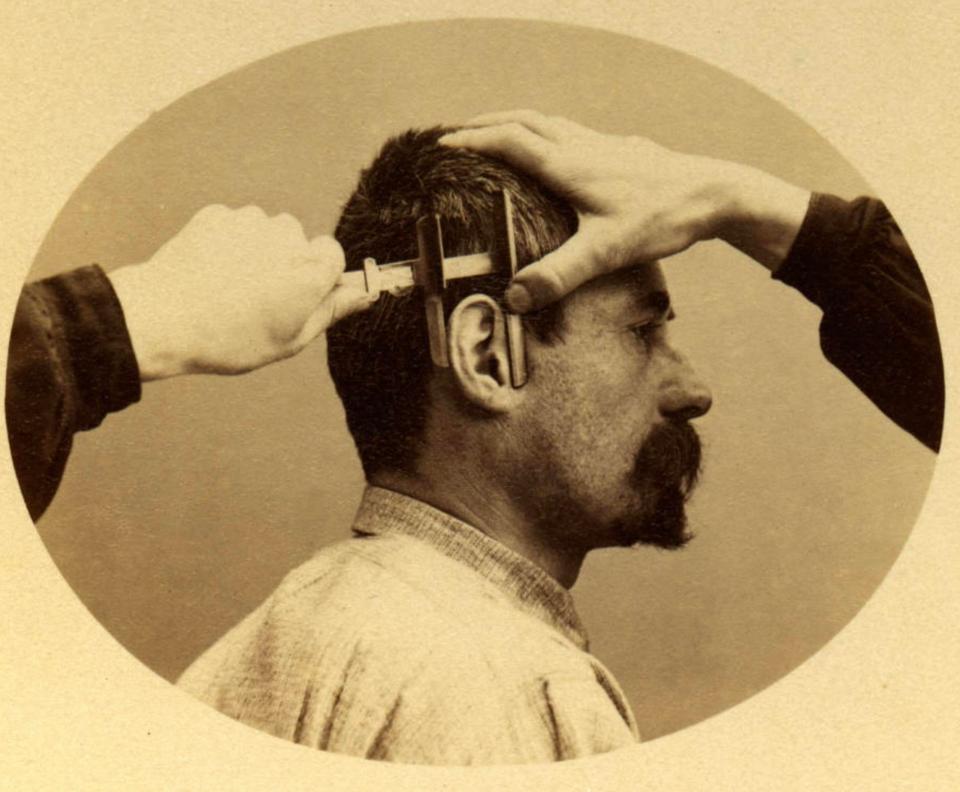
A demonstration of how to measure a criminal’s ear, inspired by Alphonse Bertillon, Paris, France, 1894.
The resulting movement labeled broad groups of people as supposedly “fit” or “unfit,” including people with disabilities, ethnic and religious minorities, and members of other marginalized groups.
Photography played an important role in this process. Images could be presented as evidence of supposed physical or hereditary differences, giving eugenic claims an appearance of scientific authority.
People were photographed from particular angles, measured, catalogued, and compared, while family histories and physical characteristics were recorded in an effort to identify traits that researchers believed could be passed from one generation to another.
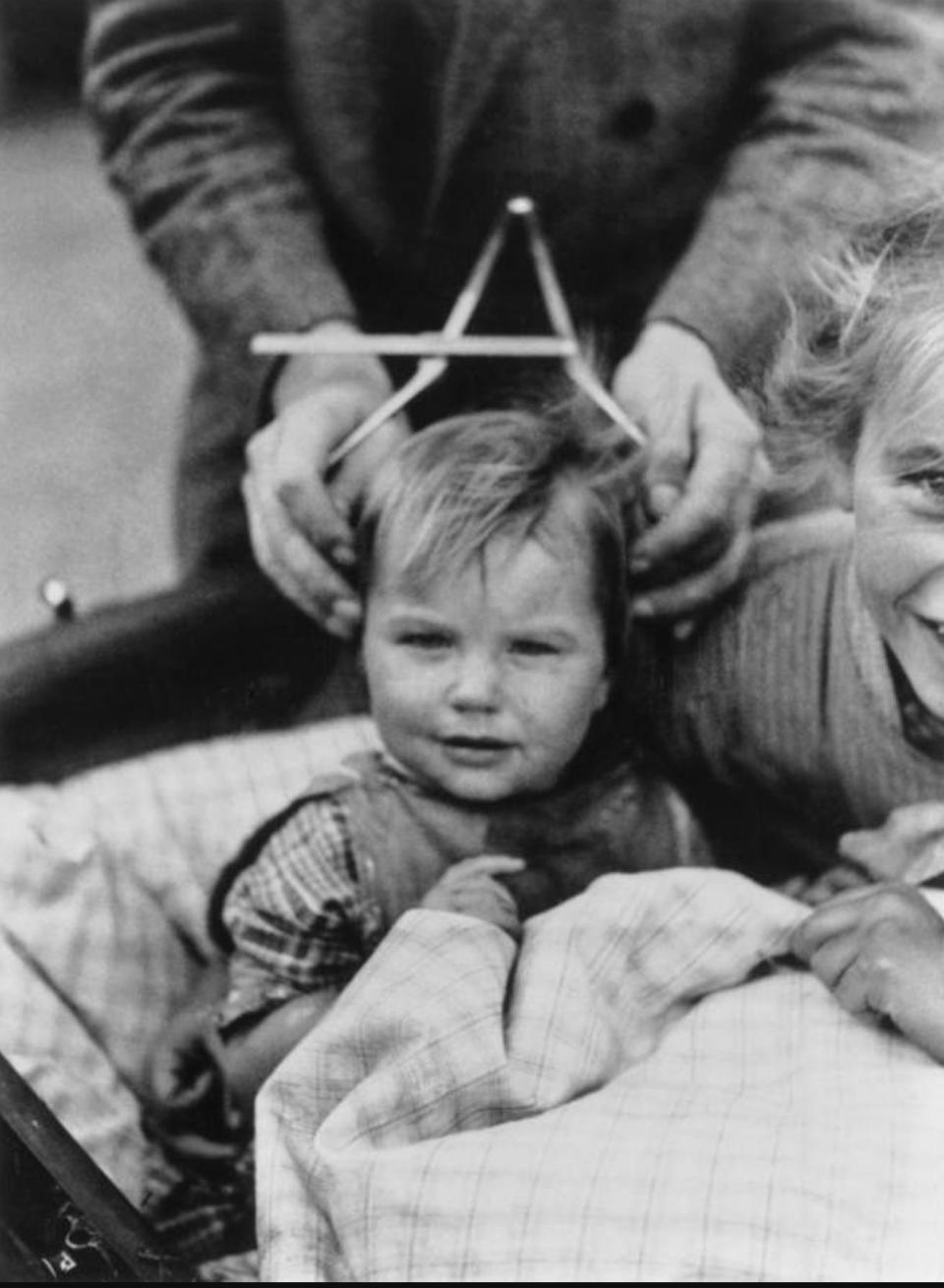
A child’s head is measured to determine his personality and predict his future. Schleswig-Holstein, Germany, 1932.
British eugenic records, for example, include family-history forms asking about mental ability, sight, hearing, speech defects, physical characteristics, and other traits.
The movement was not confined to academic discussion. Its supporters promoted policies intended to influence who could marry, have children, or reproduce.
Sterilization became one of the most consequential examples. In the United States, Indiana passed the country’s first compulsory sterilization law in 1907, and other states followed.

A poster warns that breeding among the unfit creates an unwanted burden on the rest of society. Philadelphia, Pennsylvania, 1926.
By the 1930s, more than 30 states had adopted sterilization laws, and tens of thousands of people were forcibly sterilized under such policies.
Some state sterilization laws remained in effect for decades. The American legal system also gave eugenic policies significant institutional support.
In 1927, the U.S. Supreme Court decided Buck v. Bell, upholding Virginia’s sterilization law as it applied to people classified by the state as “feeble-minded.”
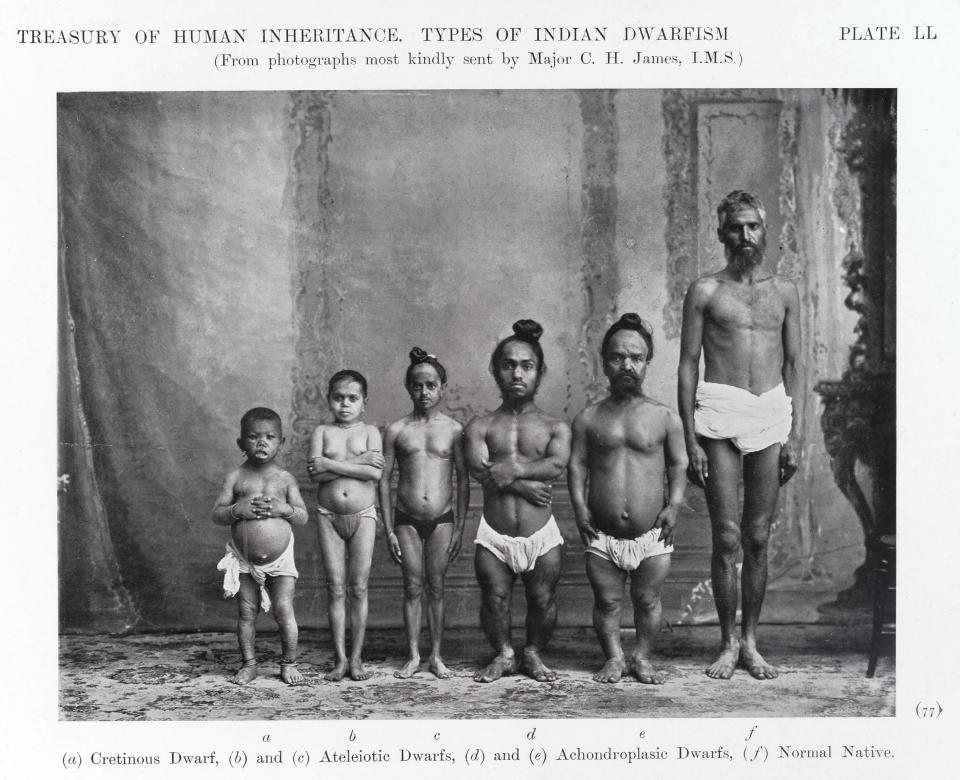
Photographs of “Indian Dwarfism” from the Eugenics Society, 1912.
The ruling became an important moment in the history of compulsory sterilization in the United States.
Britain followed a different legal path, but eugenic ideas still attracted prominent supporters and became part of public debates about heredity, poverty, reproduction, disability, and population.
The Eugenics Education Society organized lectures and educational campaigns, while its archives contain material concerning sterilization, birth control, family pedigrees, heredity, and the classification of physical and mental characteristics.

Various types of Indian dwarfs and giants, photographed by the Eugenics Society to demonstrate how humans could be selectively bred to control size, 1912.
The movement’s influence extended beyond specialist circles and into broader discussions about social policy and public health.
Eugenics eventually became inseparable from some of the most horrific abuses of the 20th century.
Nazi Germany adopted racial and hereditary theories on an enormous scale, combining eugenic ideas with antisemitism and racist ideology.
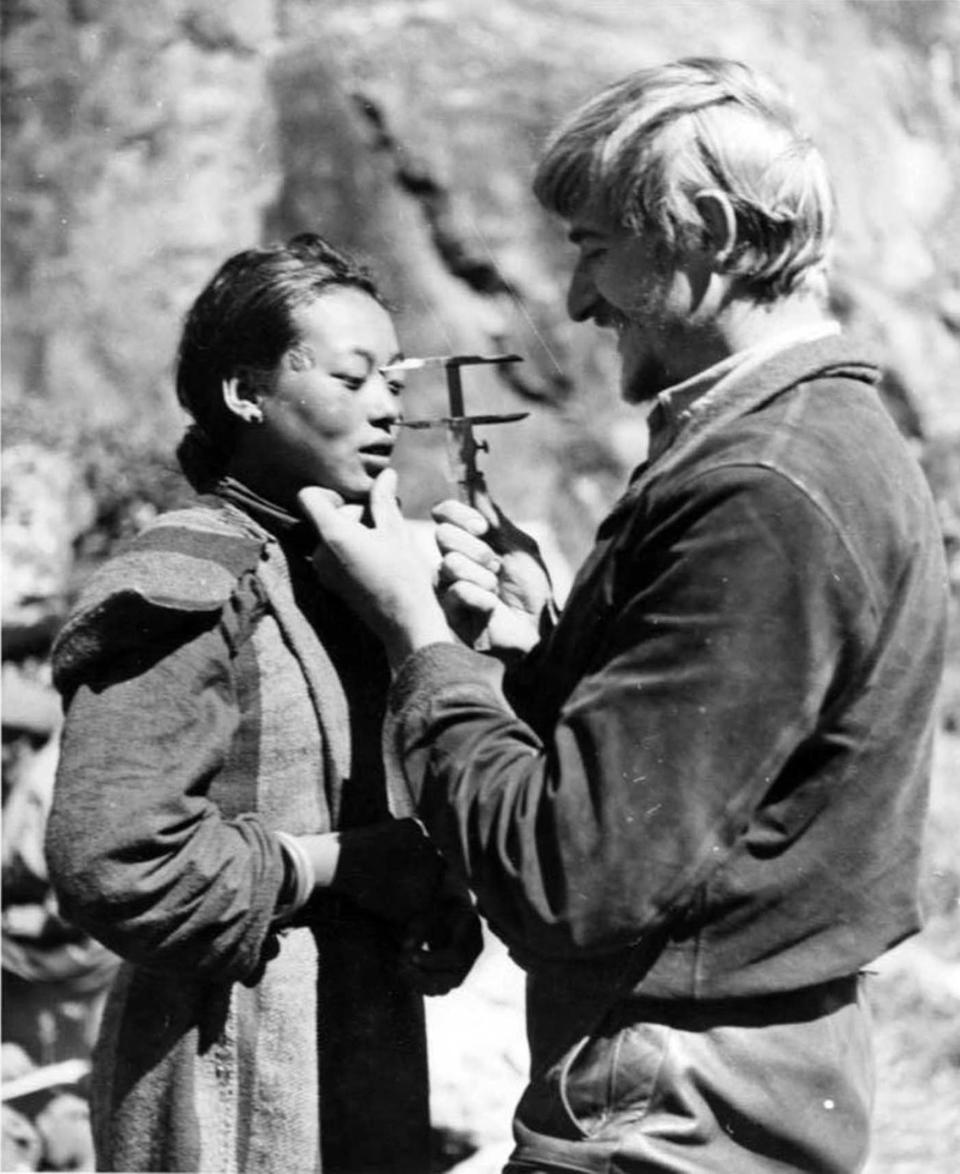
German Dr. Bruno Beger measures a Tibetan woman’s head to demonstrate the ‘inferior’ characteristics of her race. Beger would soon work for the Nazi SS to help identify Jews. Tibet, 1938.
The resulting policies included forced sterilization, persecution, and ultimately mass murder. The Nazi crimes exposed the devastating consequences that could follow when pseudoscientific theories about human worth were turned into government policy.
The history of eugenics, however, began well before the Nazi era and was not confined to Germany.
It had already developed into an international movement with supporters in respected institutions and governments.

Bruno Beger measures the facial characteristics of a Tibetan man. Tibet, 1938.
Its popularity rested partly on the prestige of science during an era when new discoveries in biology and heredity appeared to offer unprecedented possibilities for understanding human life.
Yet the movement repeatedly confused complex social conditions with inherited characteristics and treated subjective judgments about human worth as if they were objective scientific measurements.
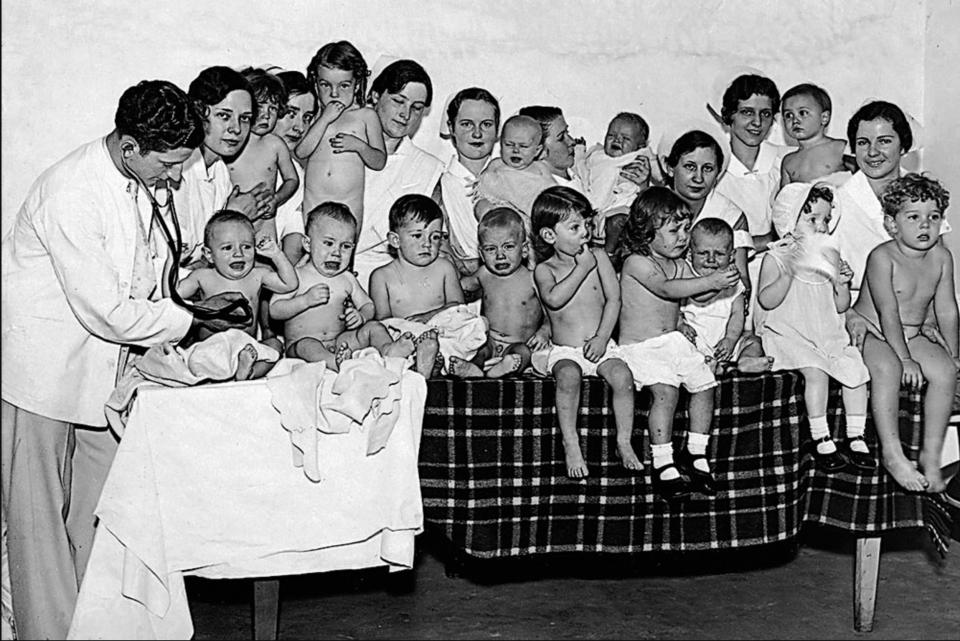
Babies compete in the “Better Baby Contest,” where doctors try to find the perfect infant human specimen. Washington D.C, 1931.
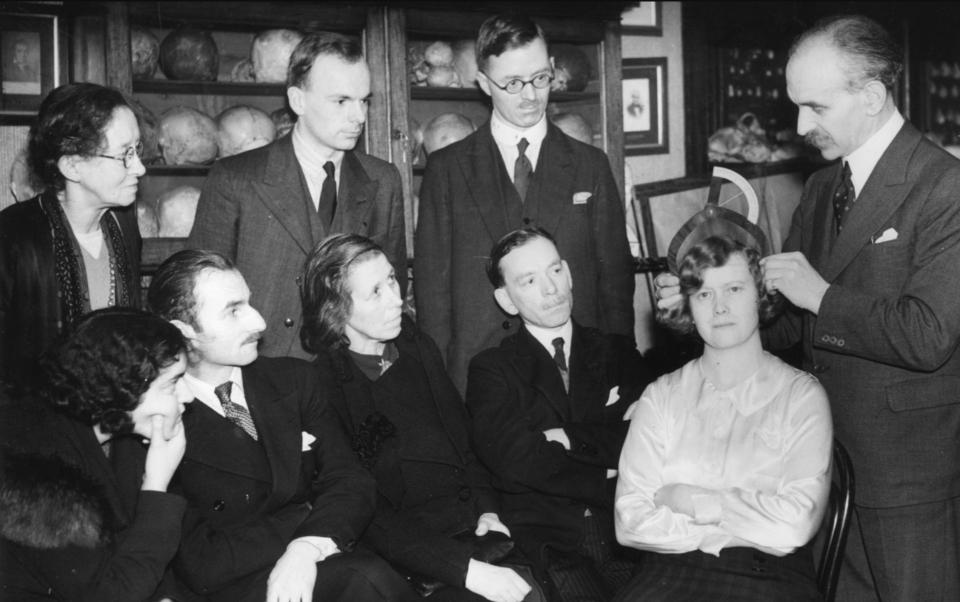
A phrenologist demonstrates how to measure the mental energy inside of a woman’s head. London, England, 1937.

Families compete in the “Fitter Family” contest, meant to find the most eugenically perfect family. Topeka, Kansas, 1925.
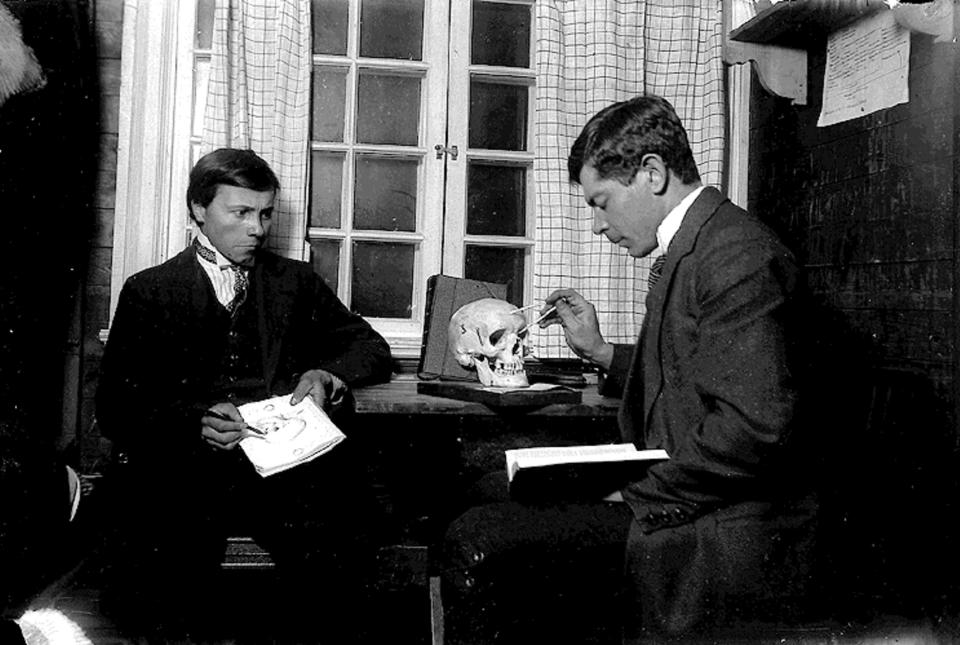
A craniologist demonstrates how to measure a human skull. Sweden, 1915.
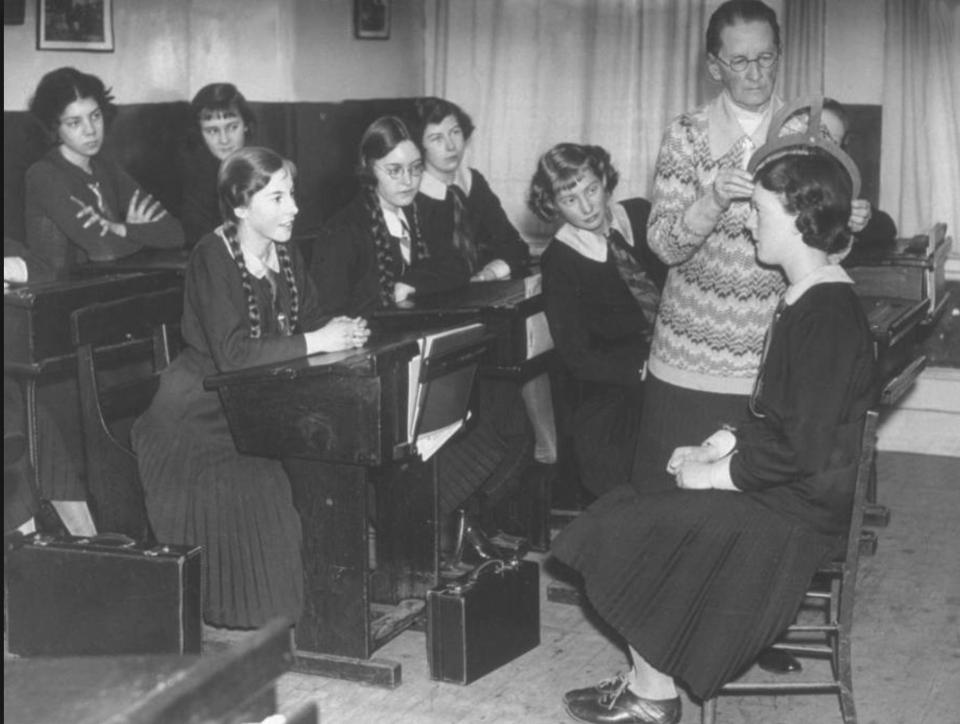
A phrenologist demonstrates how to measure a person’s head. United Kingdom, 1937.
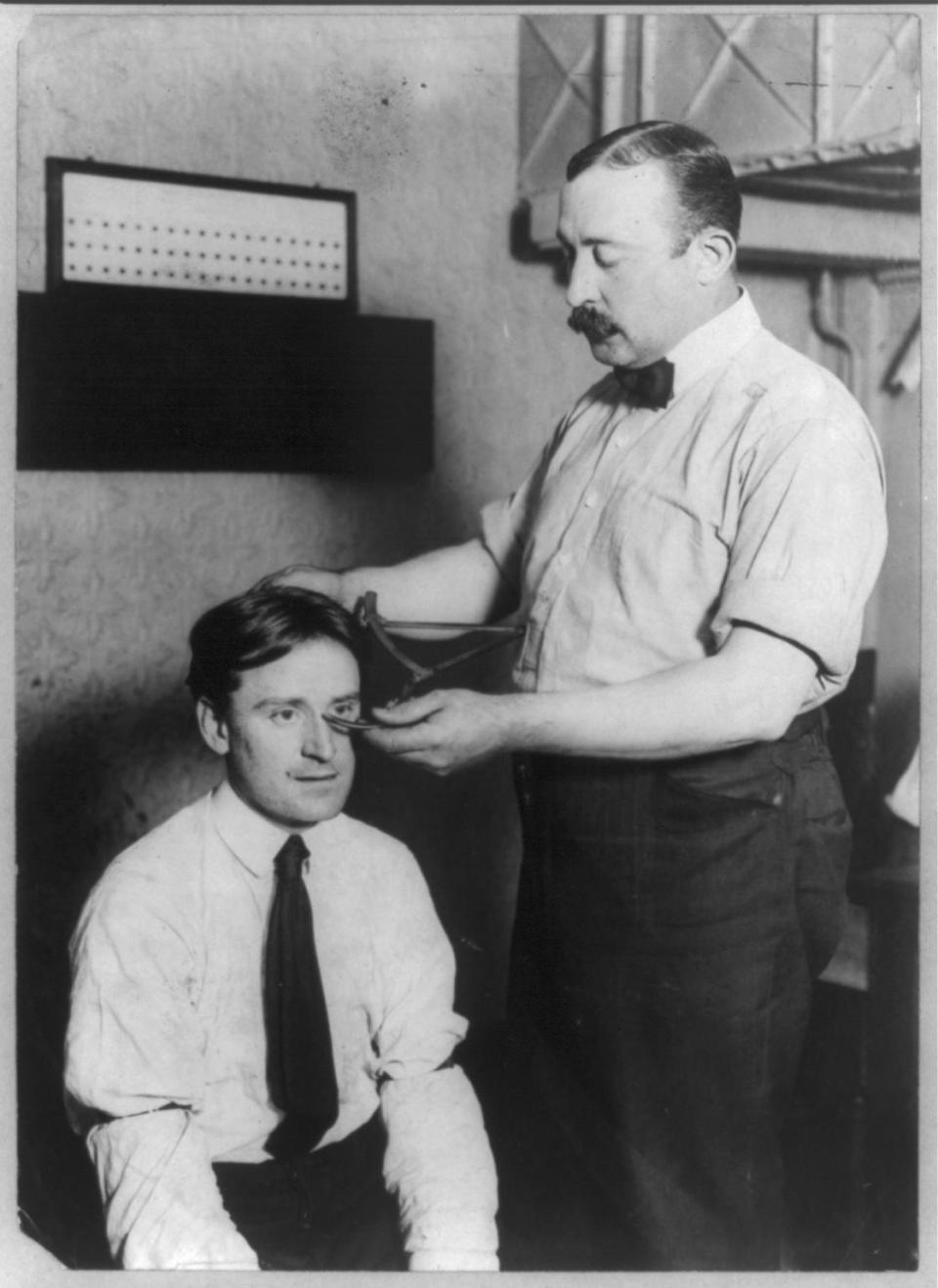
The New York City Police Department demonstrates how to measure a criminal’s cranium. New York City, New York, 1908.
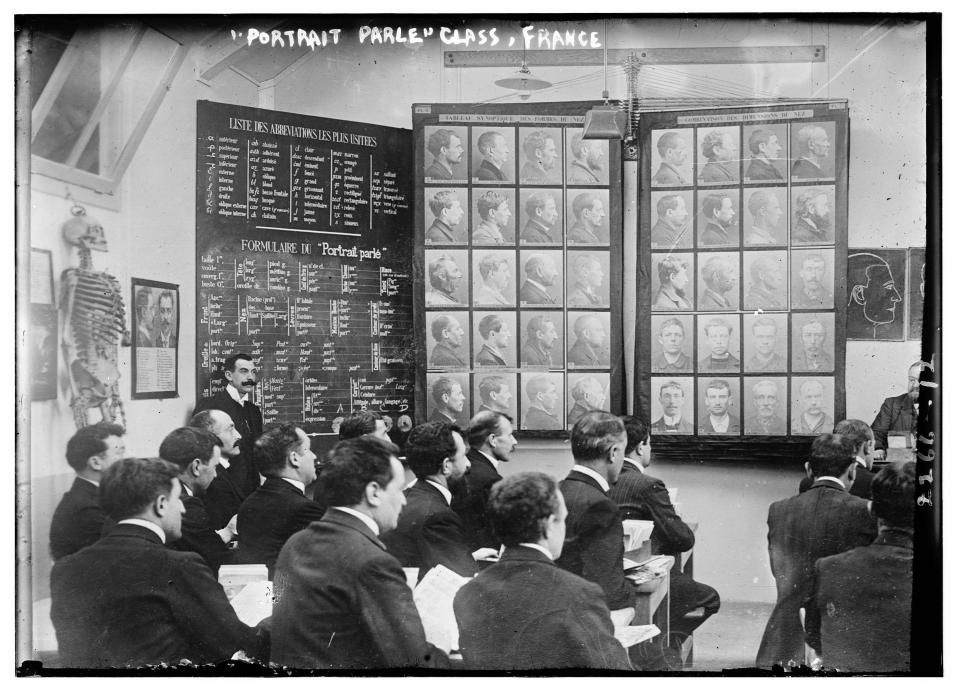
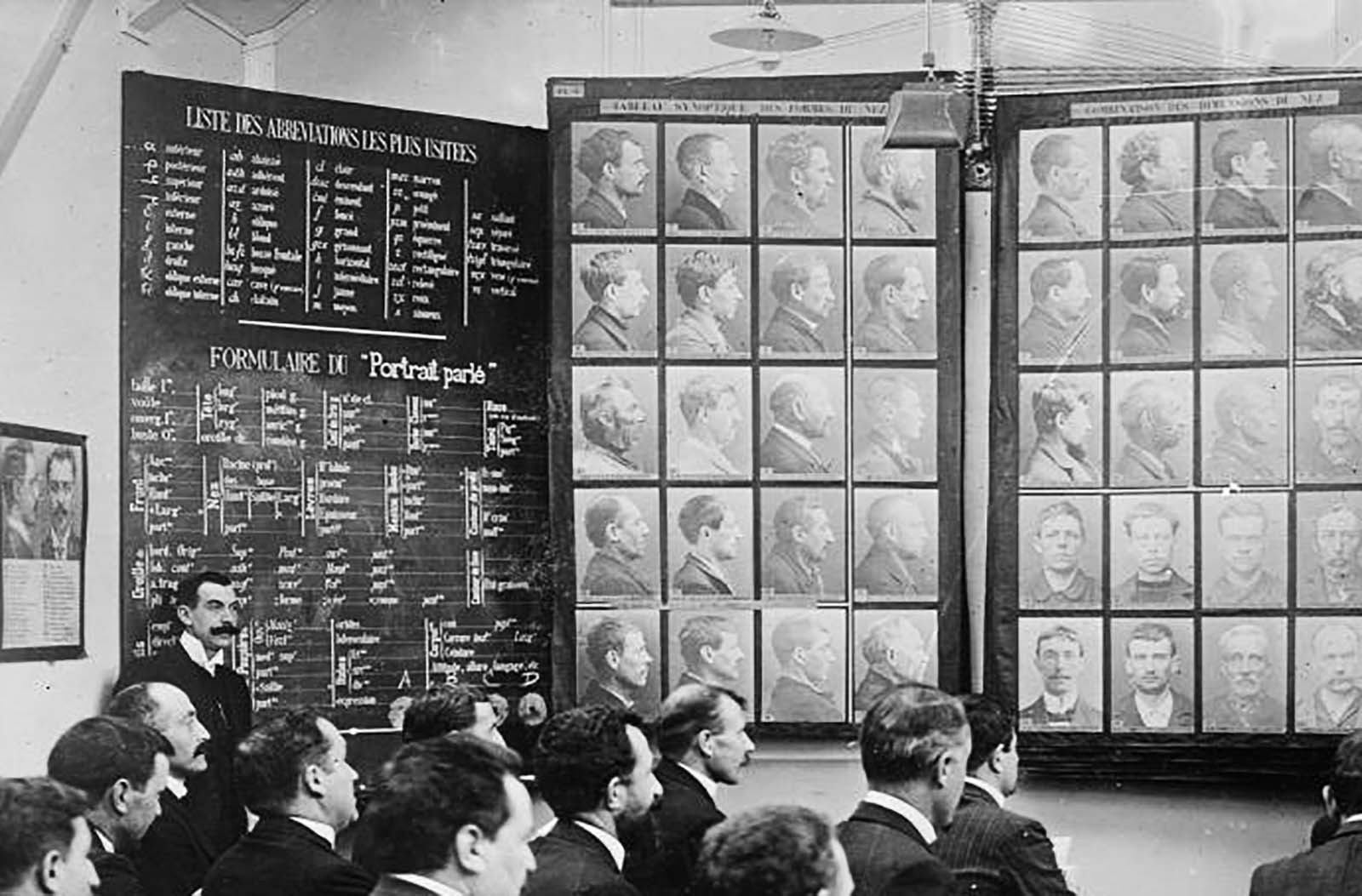
A class studies the Bertillon method of criminal identification, based on measuring body parts. Paris, France, ca. 1910s.

An anthropometry class learns about the different types of human noses, inspired by Aphonse Bertillon. Paris, France, ca. 1910s.

A woman wearing a psychograph, a machine designed to determine someone’s mental faculties by measuring their skull. United States, 1931.
(Photo credit: Wikimedia Commons / Library of Congress).