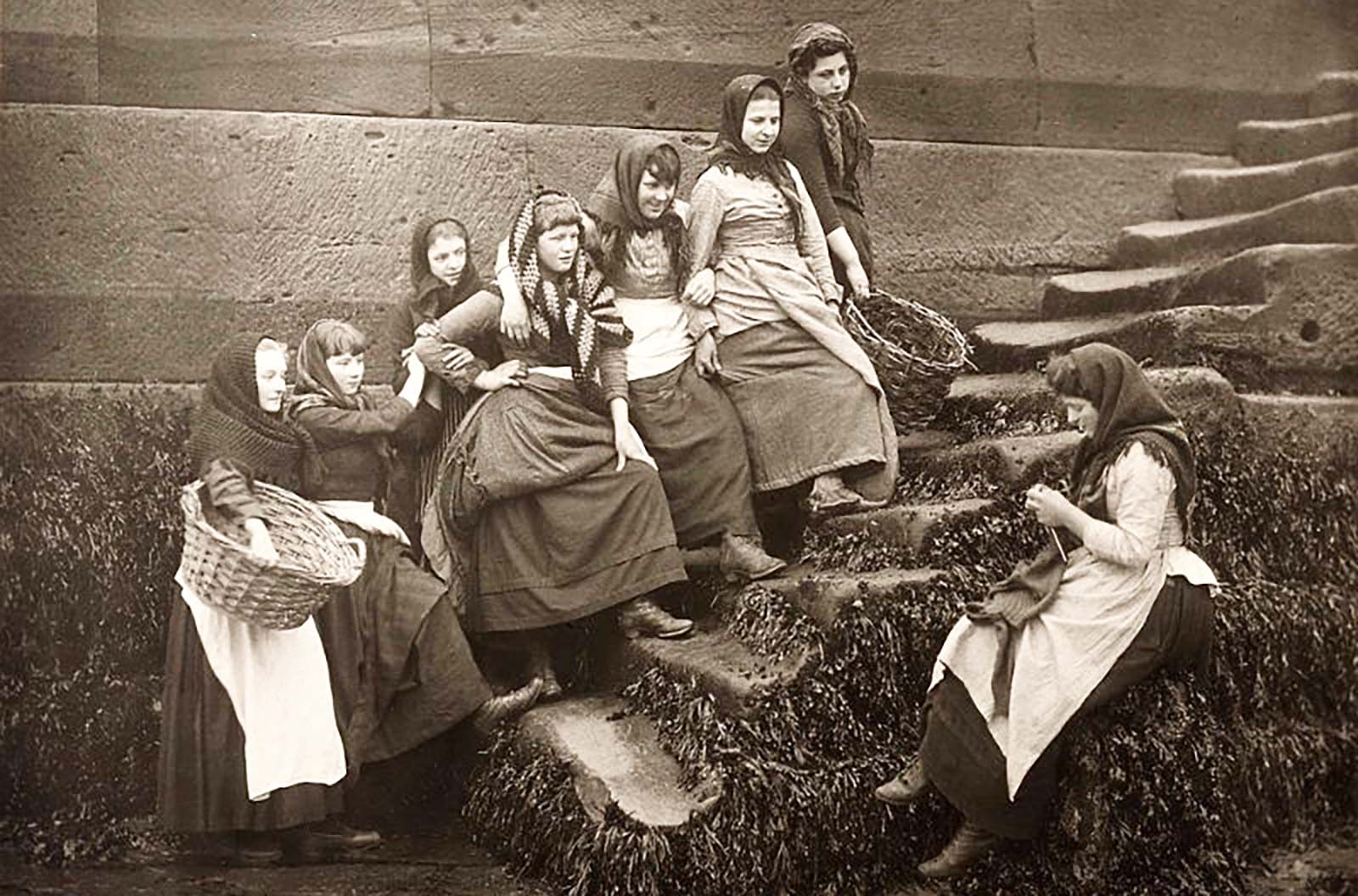
 In the late 19th century, Whitby was a town shaped by the sea, where fishing boats crowded the harbor, narrow streets wound between old buildings, and generations of local families made their living from the water and surrounding countryside.
Beyond its growing reputation as a seaside resort, Whitby remained a working community with a distinct character and traditions.
The photographs of Frank Meadow Sutcliffe preserve this world in remarkable detail, recording the people, streets, and everyday activities of Victorian England at a time when life was beginning to change.

Fish stall, Whitby.
Francis Meadow Sutcliffe (1853–1941), better known as Frank Meadow Sutcliffe, was a pioneering English photographer whose work helped establish photography as an art form in its own right.
His photographs documented Whitby and nearby villages from the 1870s through the early 20th century, earning him a lasting reputation as one of the most important visual chroniclers of life in the Yorkshire coastal region.

Fishermen on wharf.
Sutcliffe was born in Leeds, the son of Thomas Sutcliffe, a painter, lecturer, and art critic who encouraged his son’s artistic interests from an early age.
His father’s connections introduced him to influential figures in the art world, including the writer and critic John Ruskin.
In 1870, the family moved to Whitby, but Thomas died the following year, leaving Frank, then just 18, responsible for helping support his mother and seven younger siblings.
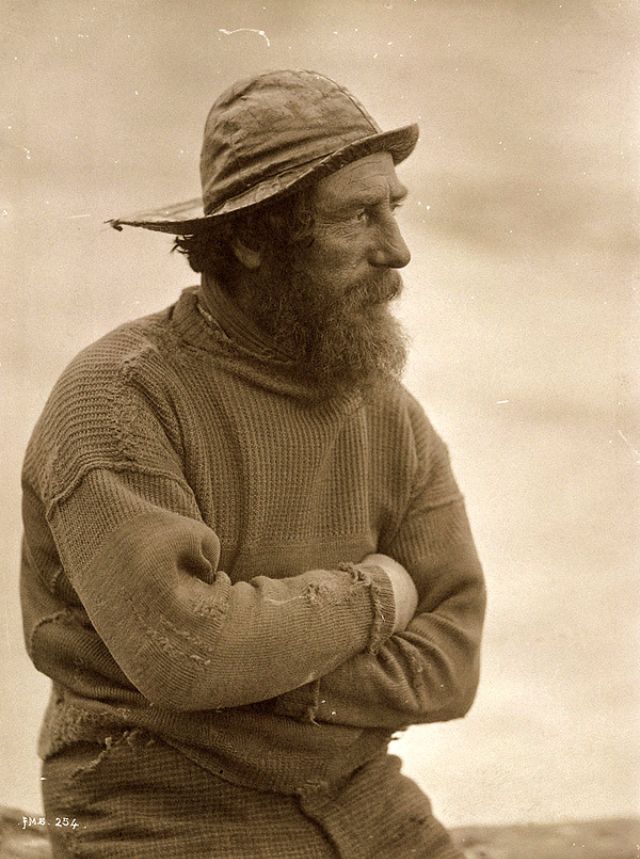 Photography soon became both his livelihood and his artistic pursuit. After an unsuccessful attempt to establish a portrait studio in Tunbridge Wells, Kent, Sutcliffe returned to Whitby and opened a business on Skinner Street.
He built a successful career taking portraits of residents and holidaymakers, work that provided a steady income but was not always aligned with his artistic ambitions.
His deeper interest lay in photographing the landscapes and communities around him, particularly the fishermen, harbor workers, farmers, and families whose lives were closely connected to the region.

House by river banks in Whitby.
Sutcliffe believed that photography could do more than simply record appearances. His guiding principle, expressed in the words “The essence of art is to conceal art,” reflected his preference for carefully composed images that felt natural rather than contrived.
Although many of his photographs were arranged with considerable attention to composition, they often convey an intimate sense of daily life.
His familiarity with local residents and their routines allowed him to create images that went beyond formal portraits, preserving details of work, clothing, homes, and social customs that might otherwise have disappeared from the historical record.
 During the Victorian era, Whitby occupied an interesting position between tradition and modernity.
Fishing remained central to the town’s economy, while shipbuilding, maritime trade, and related industries supported local livelihoods.
At the same time, its dramatic coastline, historic abbey, and seaside atmosphere attracted increasing numbers of visitors.
 Tourism brought new business opportunities, but it also created a contrast between the experiences of holidaymakers and those of residents whose lives revolved around demanding work at sea and on land.
Sutcliffe’s photographs captured both sides of this changing town. Harbor scenes, fishing boats, working families, and the streets of Whitby reveal a community rooted in its maritime heritag
e. Images of nearby villages and the Esk Valley extend that record into the surrounding countryside, where agricultural life followed a different rhythm from the busy coastal streets.

Marine Hotel at the seaside.
Much of the work for which Sutcliffe is remembered today was produced in his spare time, often outside the main tourist season.
While portrait photography paid the bills, his personal projects earned him recognition among photographers and helped advance the acceptance of photography as a serious art form. He exhibited widely and received numerous awards during his career.
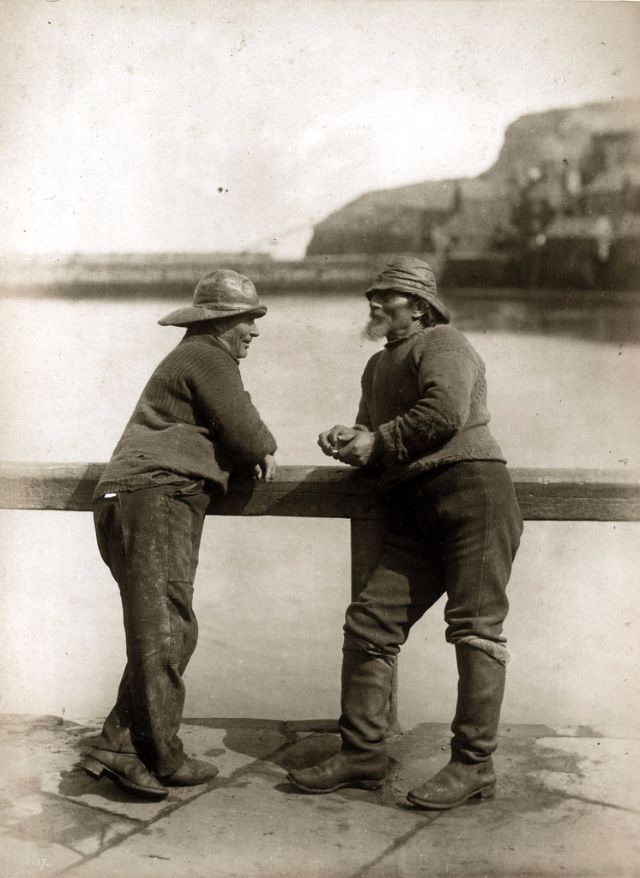
Men at ease in Whitby.
In 1922, Sutcliffe closed his portrait studio and became curator of the Whitby Literary and Philosophical Society’s museum, a position he held until shortly before his death in 1941.
Today, his photographs remain an invaluable record of Victorian and Edwardian life.
Preserved in collections including Whitby Museum, they allow modern viewers to look beyond the town’s familiar seaside image and encounter the people and working communities that shaped its history.
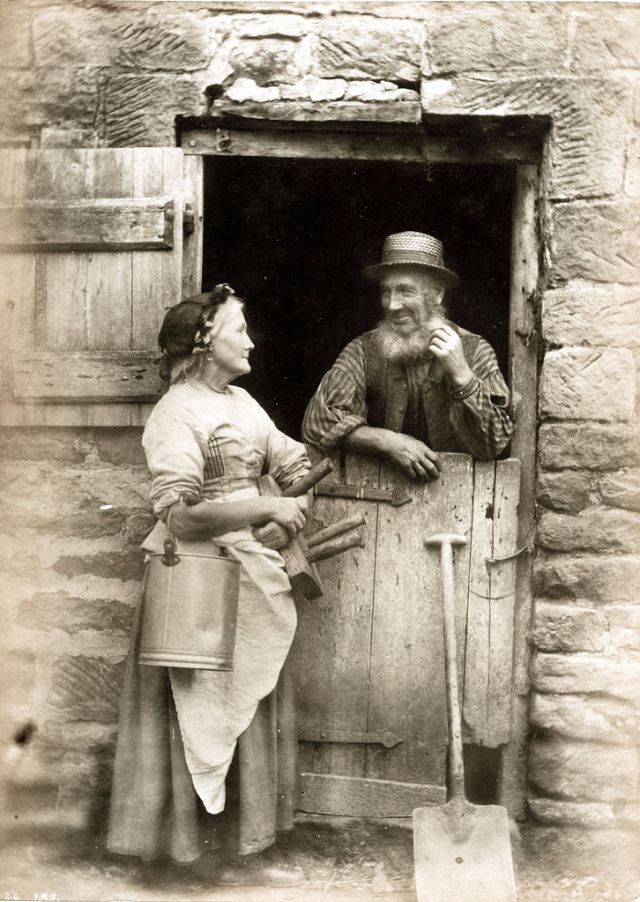


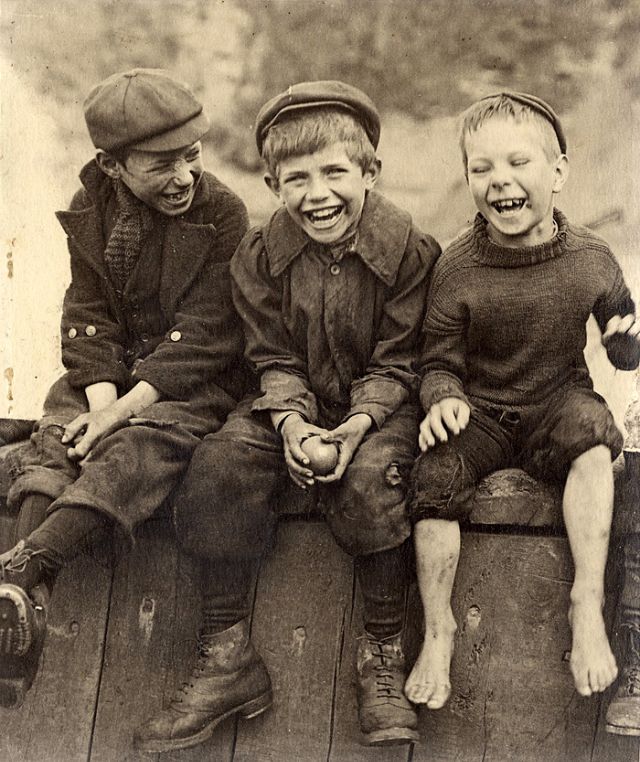


The harbor of Whitby with sailboats.


The Strom family of Robin Hood’s Bay.


Whitby from St Mary’s Parish Church.


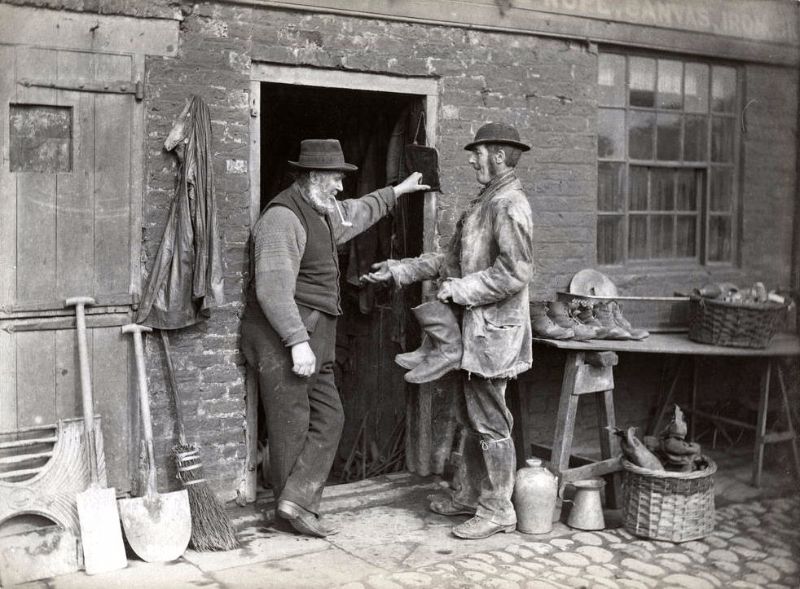


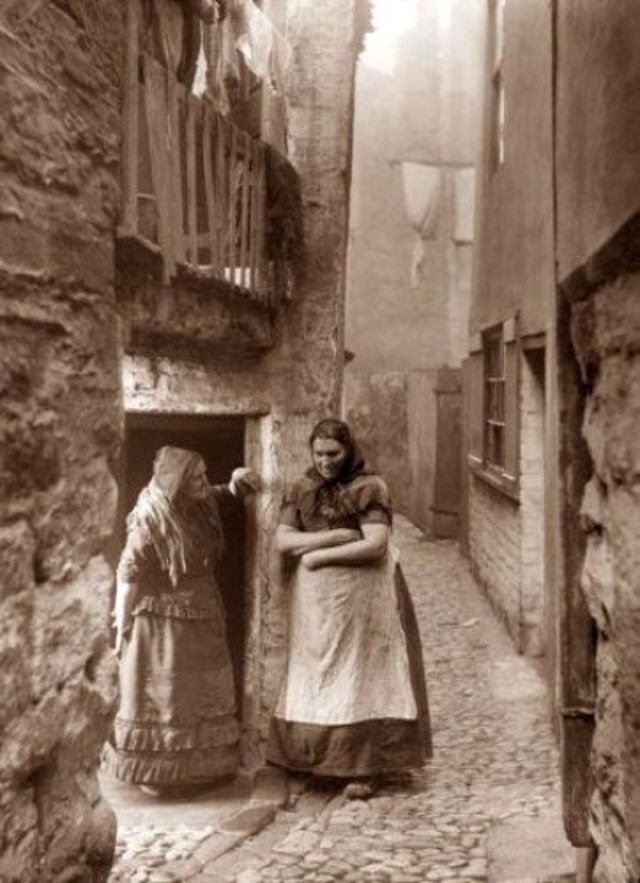


(Photo credit: Francis Meadow Sutcliffe / Flickr).