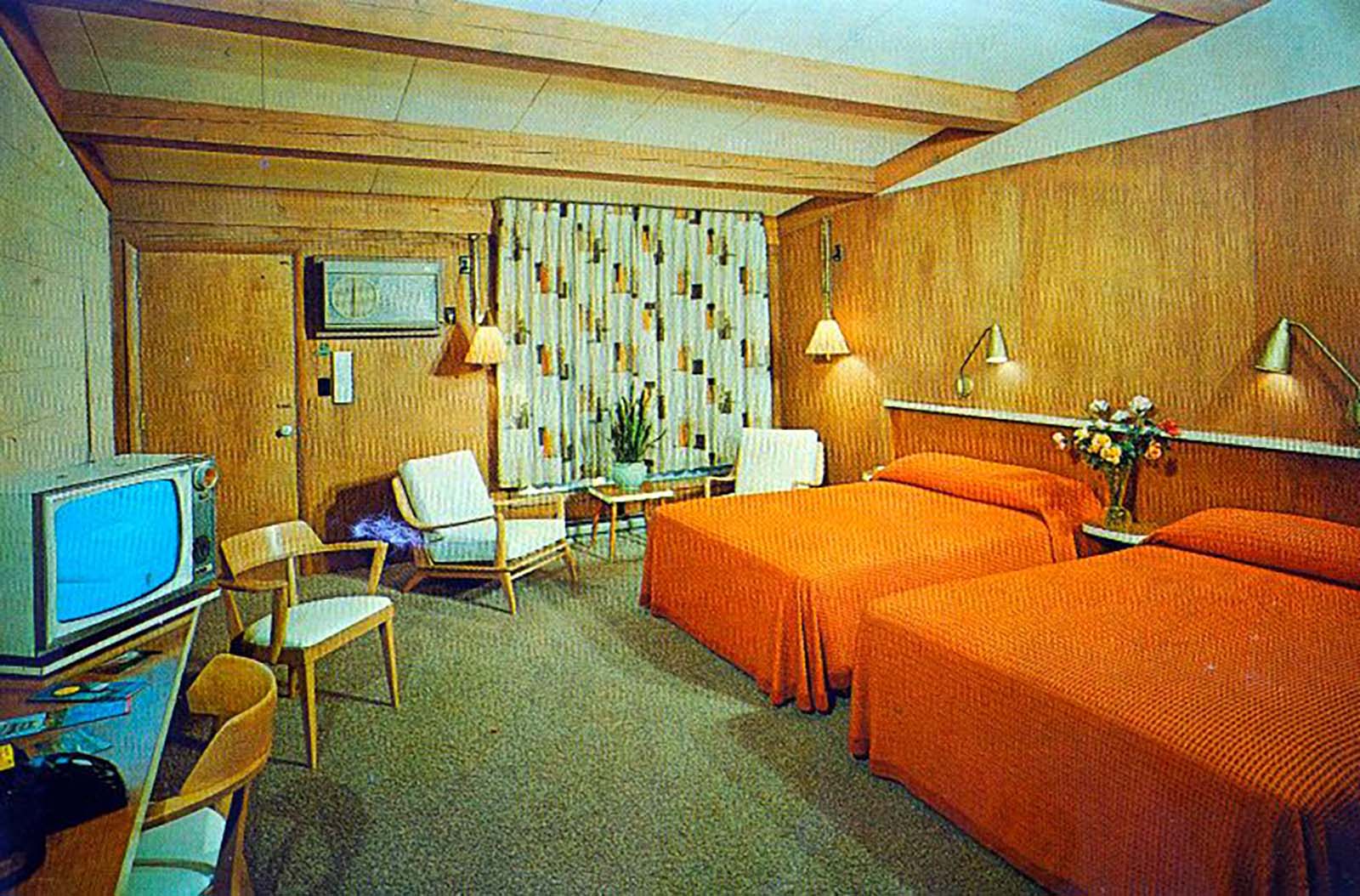
 During the 1950s and 1960s, American motels and hotels gave travelers a place to rest in surroundings that reflected the changing tastes of the era.
Their bedrooms ranged from simple roadside accommodations with basic furnishings to stylish interiors featuring colorful bedspreads, patterned curtains, modern furniture, and the latest conveniences.
Vintage postcards captured these rooms in carefully arranged detail, preserving a colorful record of how American hospitality looked during the golden age of road travel.
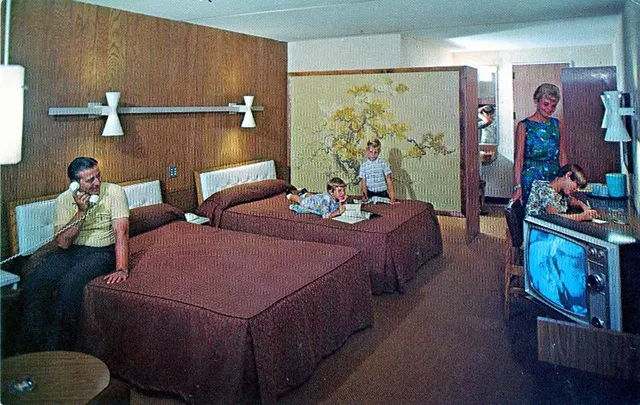
Howard Johnson’s Motor Lodge, Penns Grove, New Jersey
American motel and hotel bedrooms of this era reflected the influence of mid-century design, which favored practical layouts, clean lines, and an uncluttered appearance.
Furniture often featured simple wooden finishes, streamlined shapes, and tapered legs, while built-in headboards and compact bedside tables helped make efficient use of limited space.
Not every property followed the same style, however. Independent roadside motels, family-run establishments, and large city hotels each developed their own look, ranging from modest and functional to polished and luxurious.
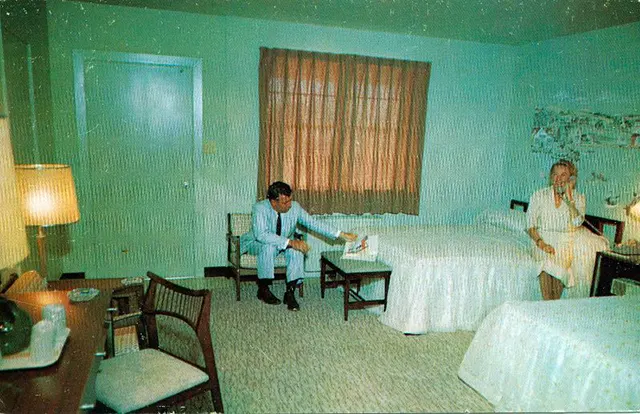
Hampton Manor Motel, Hampton, Virginia
Color played an important role in the appeal of these interiors. Depending on the property, bedrooms featured pastel shades of pink, mint green, pale blue, and cream, alongside warmer tones such as gold, brown, and rust.
Patterned wallpaper, painted furniture, and contrasting upholstery added personality to otherwise simple rooms.
Some establishments embraced the futuristic optimism of the Atomic Age, while others favored traditional decor with floral prints, dark wood, and more subdued colors. The result was a varied picture of American hospitality rather than one uniform mid-century style.
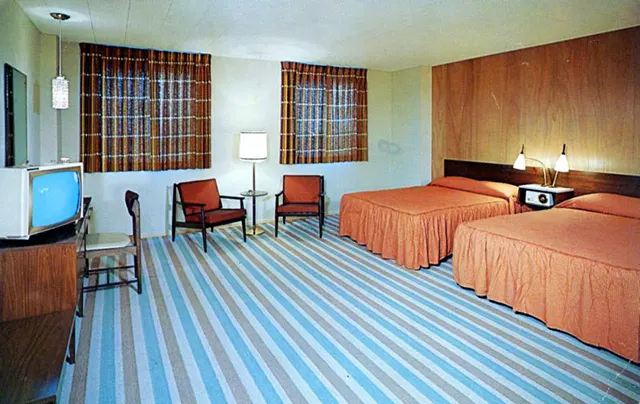
Aristocrat Motel, Detroit, Michigan
The bed was usually the centerpiece of the room, often dressed in a crisp white sheet and a decorative bedspread that gave the interior its distinctive look.
Quilted covers, floral fabrics, bold geometric designs, and coordinated pillowcases were common features in period interiors.
Matching headboards and bedside lamps helped create a finished appearance, while twin beds were a familiar arrangement in rooms designed for families or traveling companions.
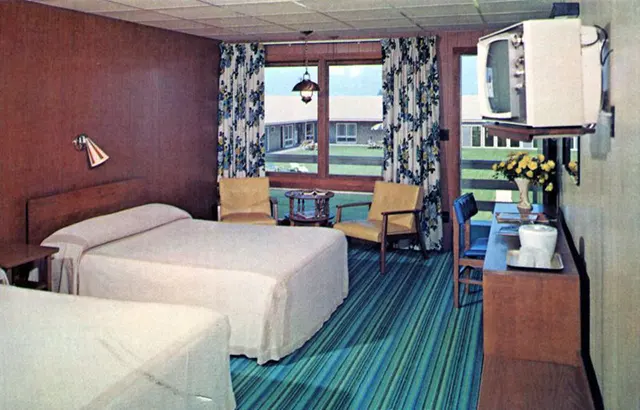
Beachside Motel, Nantucket, Massachusetts
Larger hotels might offer more elaborate furnishings, upholstered headboards, and carefully coordinated fabrics, whereas smaller motels generally prioritized durability and easy maintenance.
Windows provided another opportunity to add color and character. Curtains ranged from sheer panels that allowed daylight into the room to heavier drapes in rich colors and patterned fabrics.
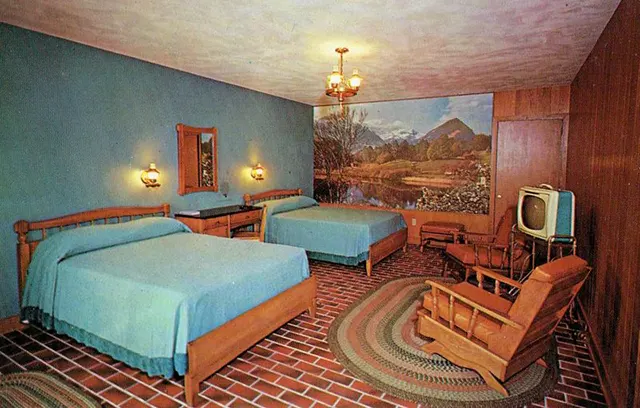
Brookside Motel and Ranch House, Gatlinburg, Tennessee
Some bedrooms featured valances or curtains that matched the bedspread, creating a coordinated look that was especially effective in the compact interiors typical of roadside motels.
Carpeting, where installed, added warmth and softened the room, although the materials and finishes varied considerably according to the property’s price and age.
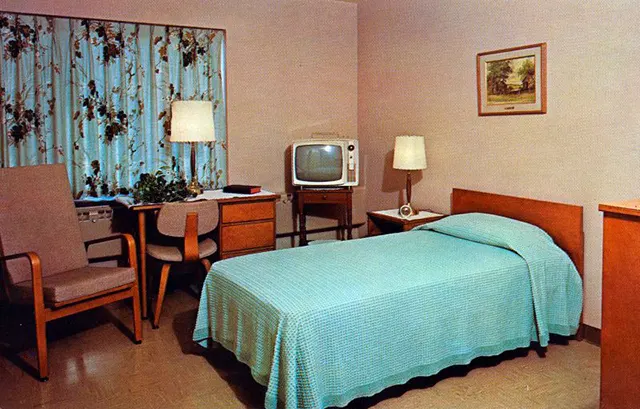
Burd and Rogers Memorial Home, Myerstown, Pennsylvania
Television became an increasingly recognizable feature of American hotel and motel bedrooms during these decades.
In the 1950s, a television set was still a noteworthy amenity in many establishments, and its availability depended on the property.
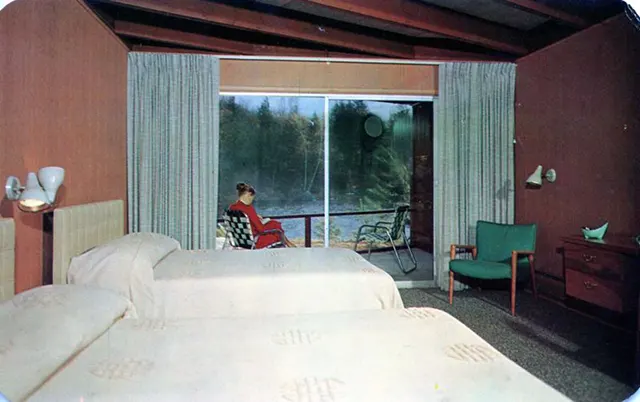
Camp Long Lake Motel, Long Lake, New York
By the 1960s, televisions were becoming more familiar in guest rooms, often resting on a cabinet, dresser, or dedicated stand.
For travelers accustomed to long hours on the highway, the opportunity to watch local programming after a day of driving added another layer of comfort.
Telephones, commonly placed on a bedside table or desk, also became a familiar sight, allowing guests to make calls without leaving their rooms.
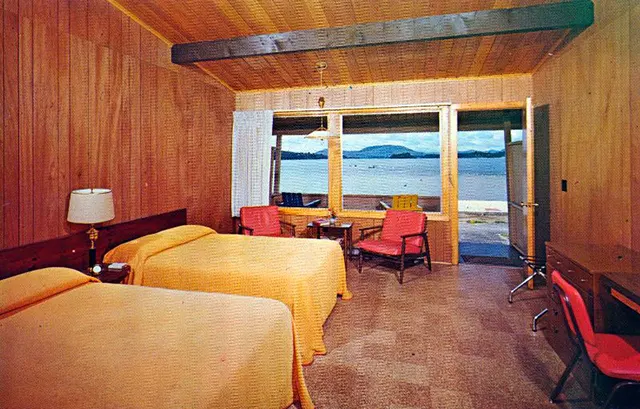
Camp-of-the-Woods, Speculator, New York
Other amenities reflected the changing expectations of American travelers. Private bathrooms, air conditioning, heating, radios, writing desks, luggage racks, and convenient parking were among the features that helped distinguish one establishment from another.
Not every room offered all these conveniences, particularly in older or budget properties.
Nevertheless, the growing competition among motels encouraged owners to emphasize comfort, convenience, and modern facilities in their advertising.
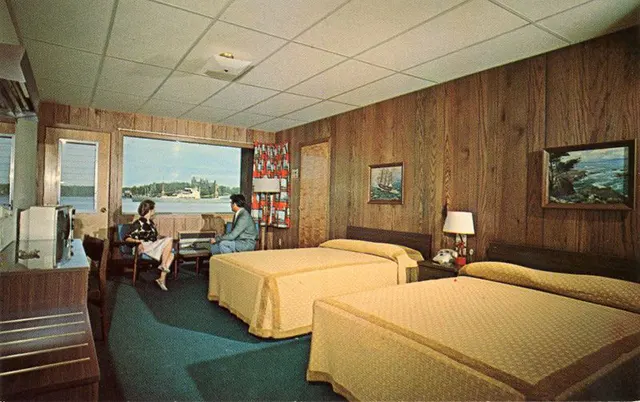
Capt Thompson’s Motor Lodge, Alexandria Bay, New York
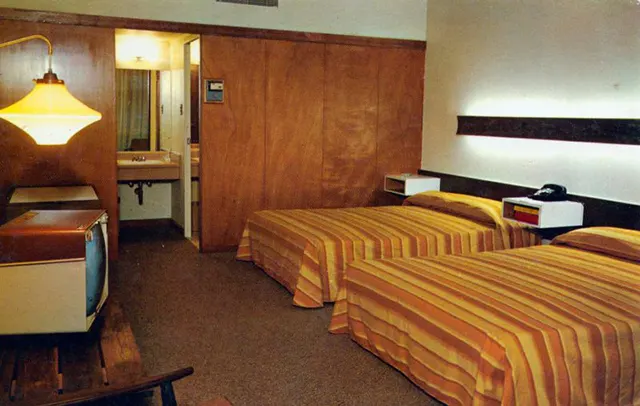
Charter House Hotel, Washington, DC
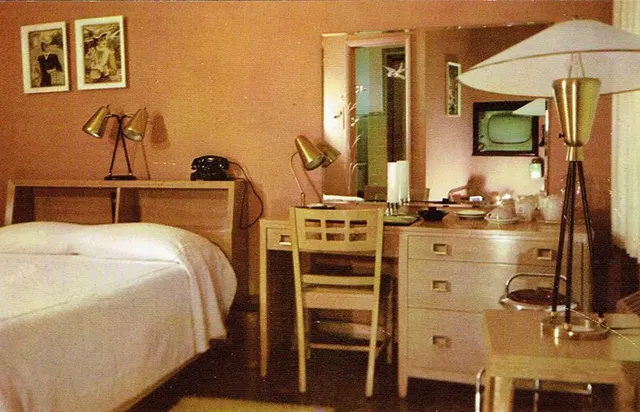
Christy’s Hotel Court, Michigan City, Indiana
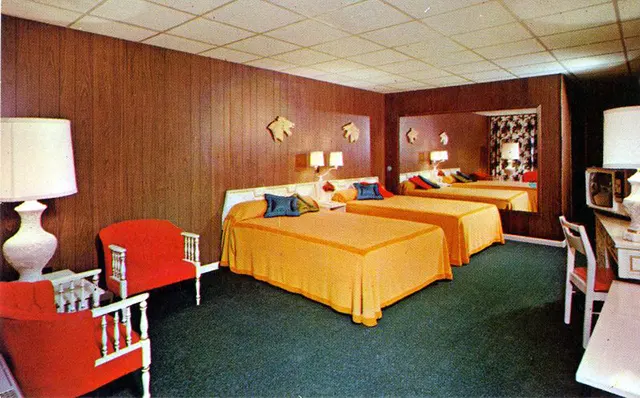
Continental Inn, Lexington, Kentucky
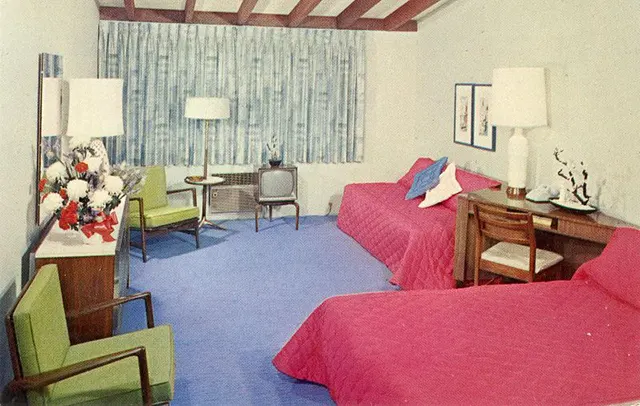
Cordova Lodge, Sacramento, California
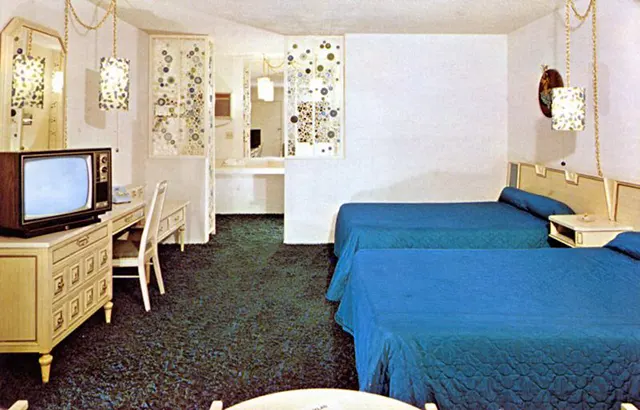
Cosmic Age Lodge, Anaheim, California
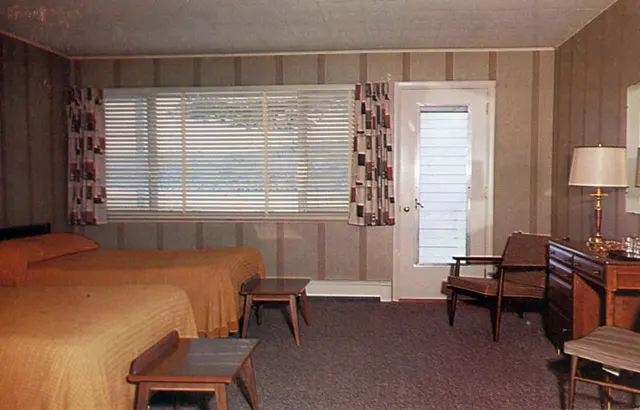
Driftwood Motel, Laconia, New Hampshire
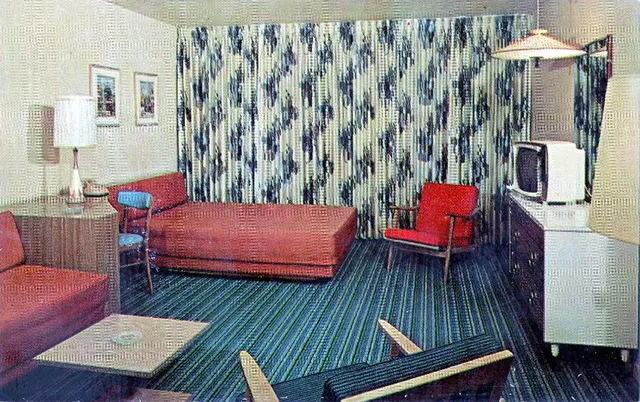
Dudley Motel, Salamanca, New York
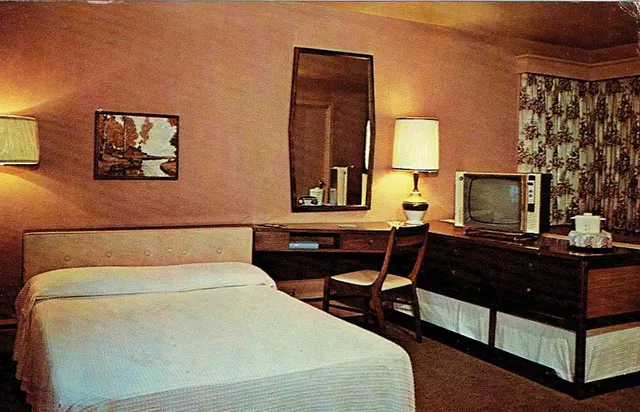
Dutch Village Motel, New Castle, Delaware
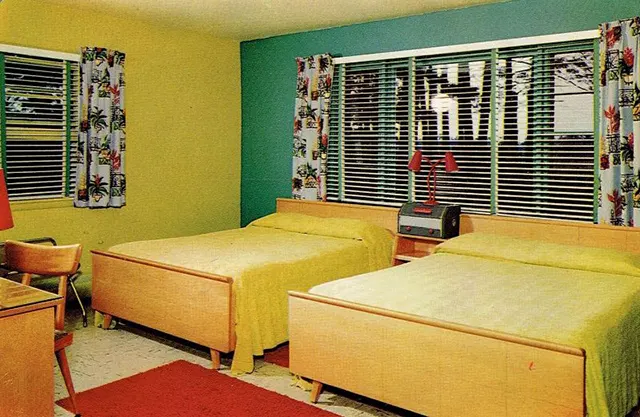
Edgewood Resort Motel, Alexandria Bay, New York
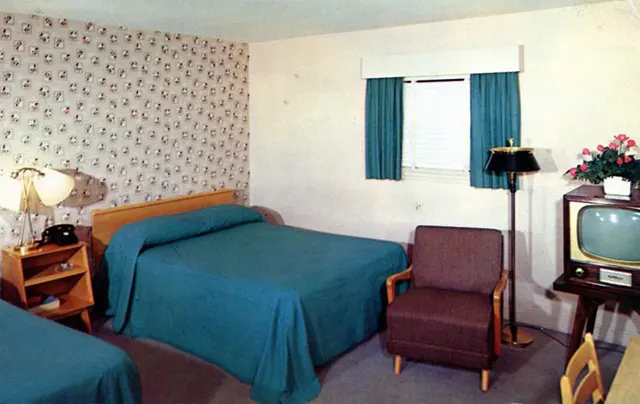
Esquire Motel, Providence, Rhode Island
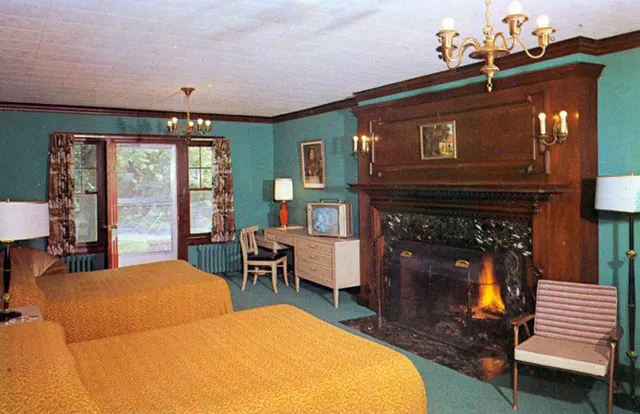
The Chateau Allen’s Motel, Sanford, Maine
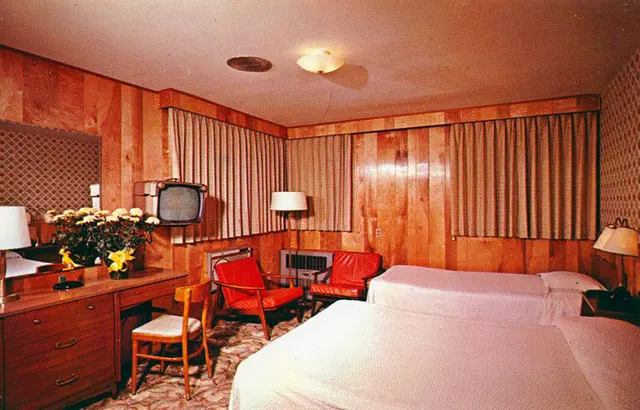
Fairway Motel, Southern Pines, North Carolina
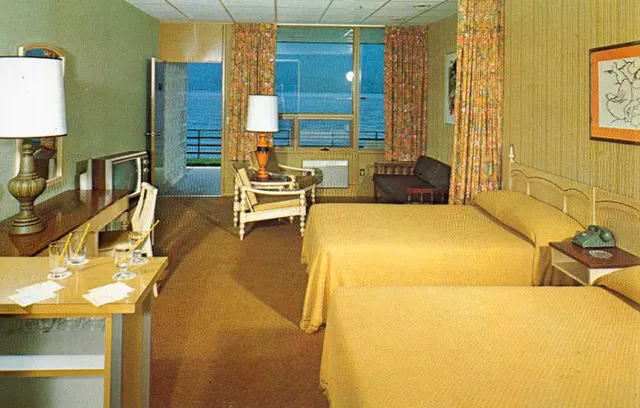
Georgian Motel, Lake George, New York
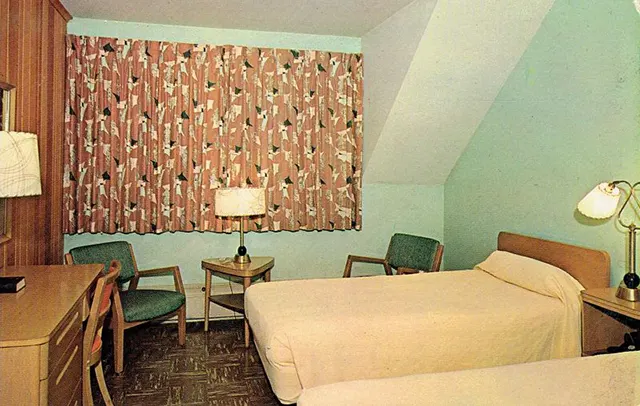
Guest Room at Cacapon Lodge, Cacapon State Park, near Berkeley Springs, West Virginia
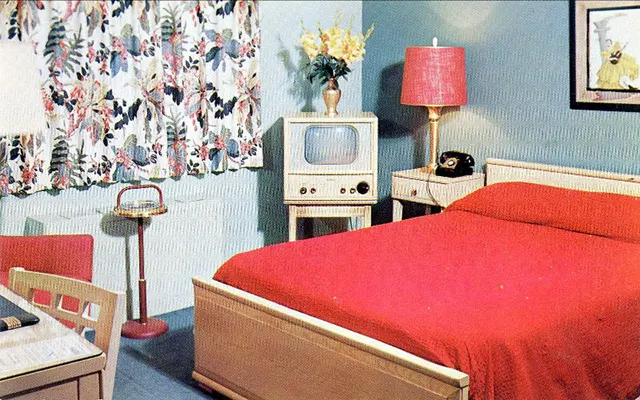
Gus Genetti Hotel and Motel of Distinction, Hazleton, Pennsylvania
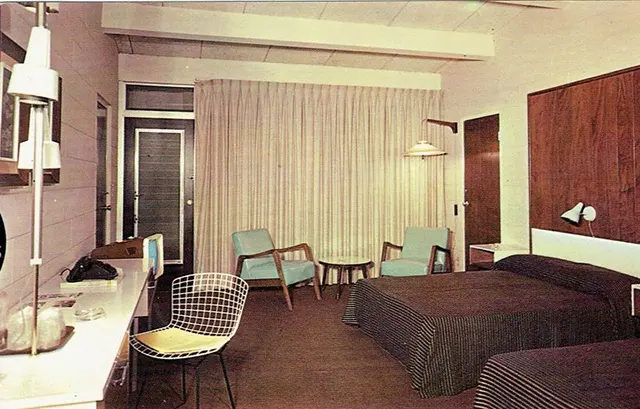
Howard Johnson’s Motor Lodge-Restaurant, Tampa, Florida
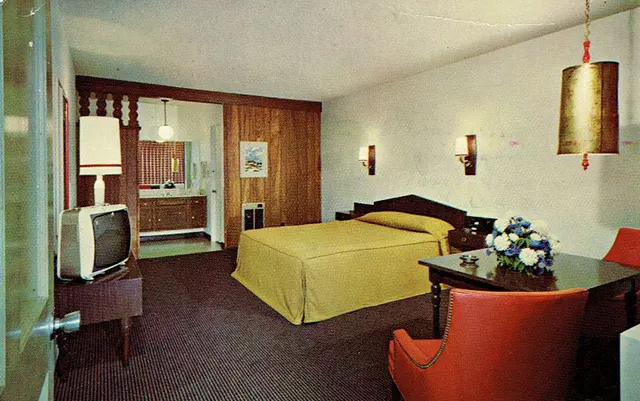
Hyatt Lodge Hotel, Palm Springs, California
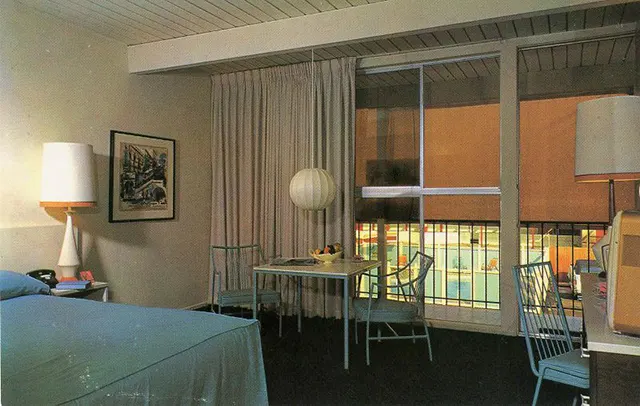
Imperial 400 Motel, Los Angeles, California
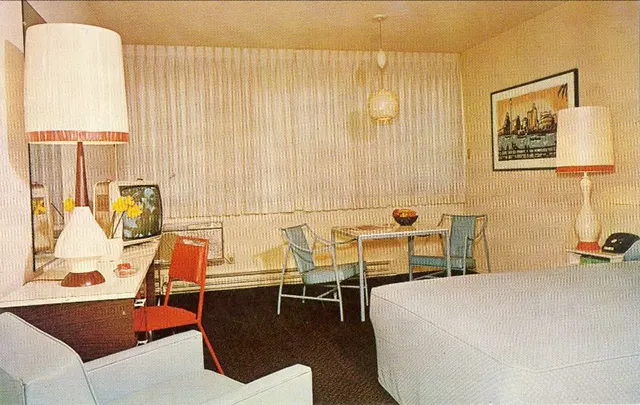
Imperial 400 Motel, Sioux City, Iowa
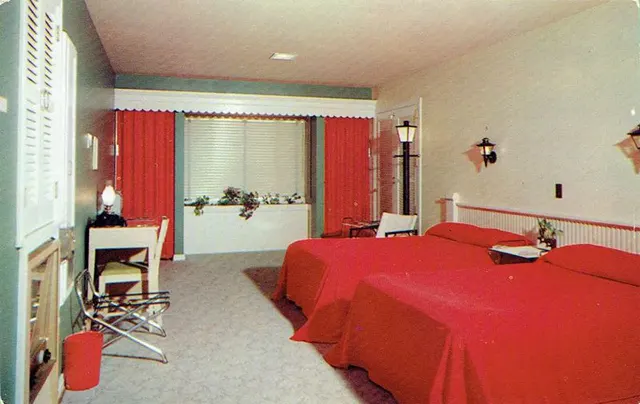
Kirby’s Motel, Rochester, New York
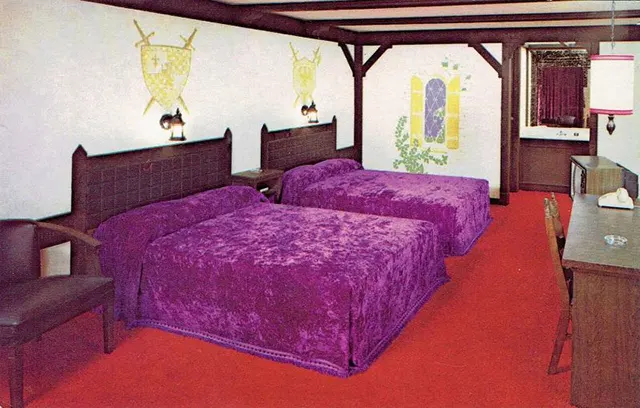
Knight’s Inn, Montgomery, Alabama
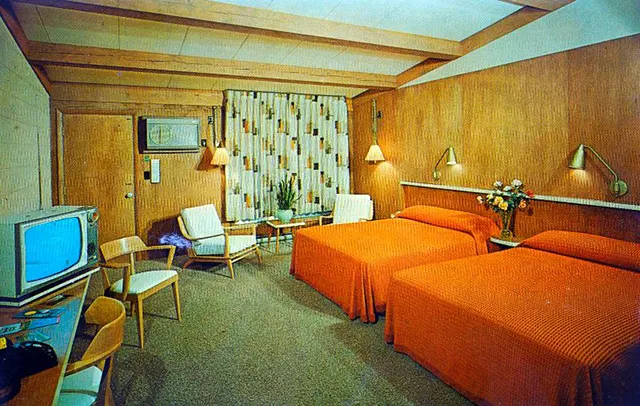
Landmark Motor Lodge, Glens Falls, New York
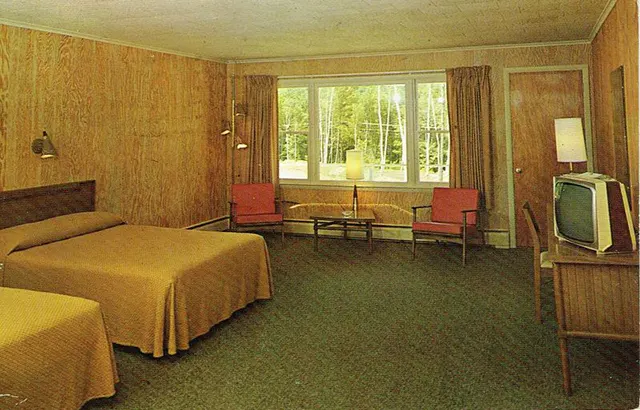
Ledge Rock Motel, Wilmington, New York
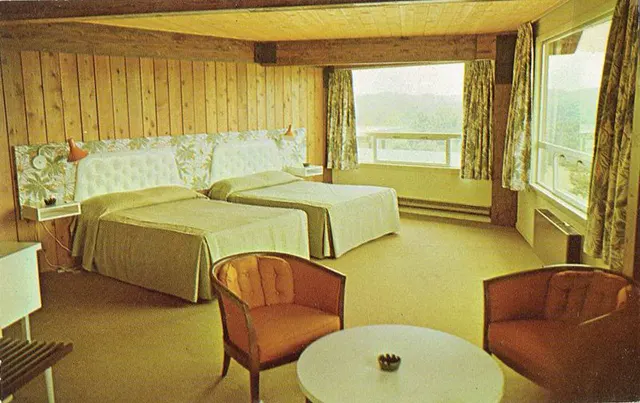
North Bend Lodge, Harrisville, West Virginia
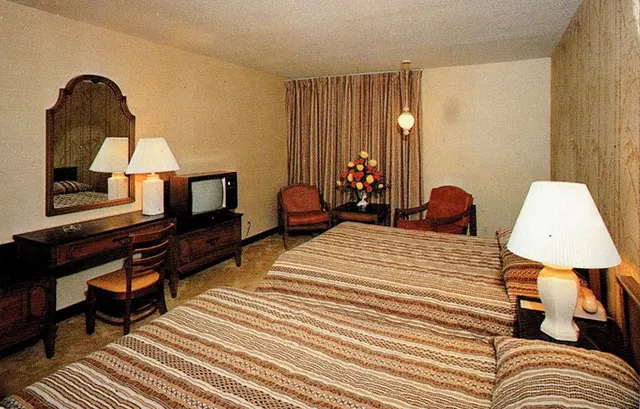
Ramada Inn, Seekonk, Massachusetts
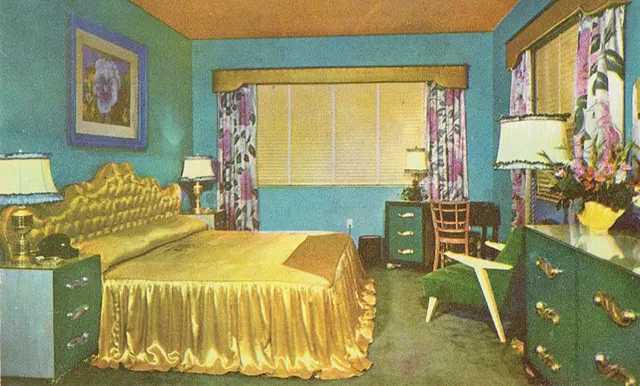
The Delmonico Hotel, Miami Beach, Florida
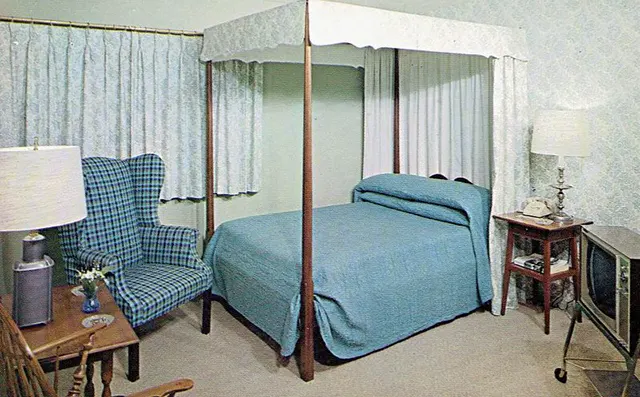
Tobacco Valley Inn and Motor House, Windsor, Connecticut
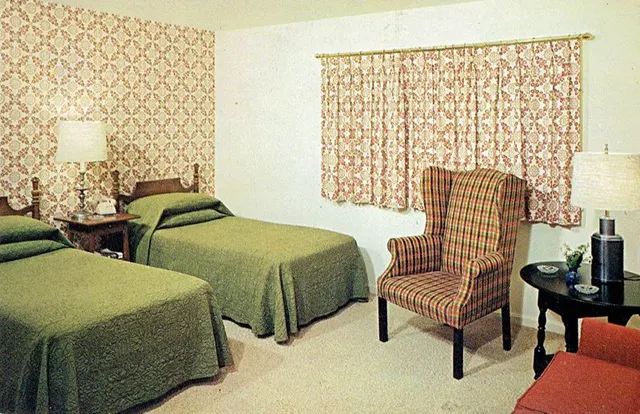
Tobacco Valley Inn and Motor House, Windsor, Connecticut
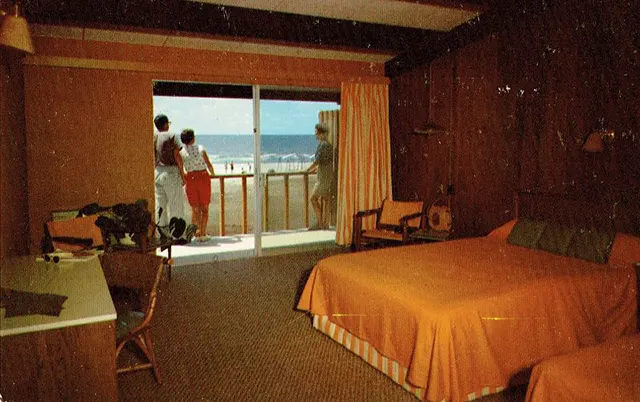
Typical Bedroom View, William Hilton Inn, Hilton Head, South Carolina
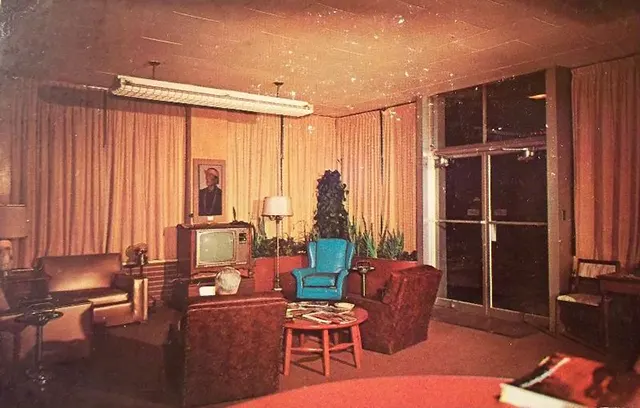
Weatherford Hotel, Flagstaff, Arizona
(Photo credit: Pinterest).