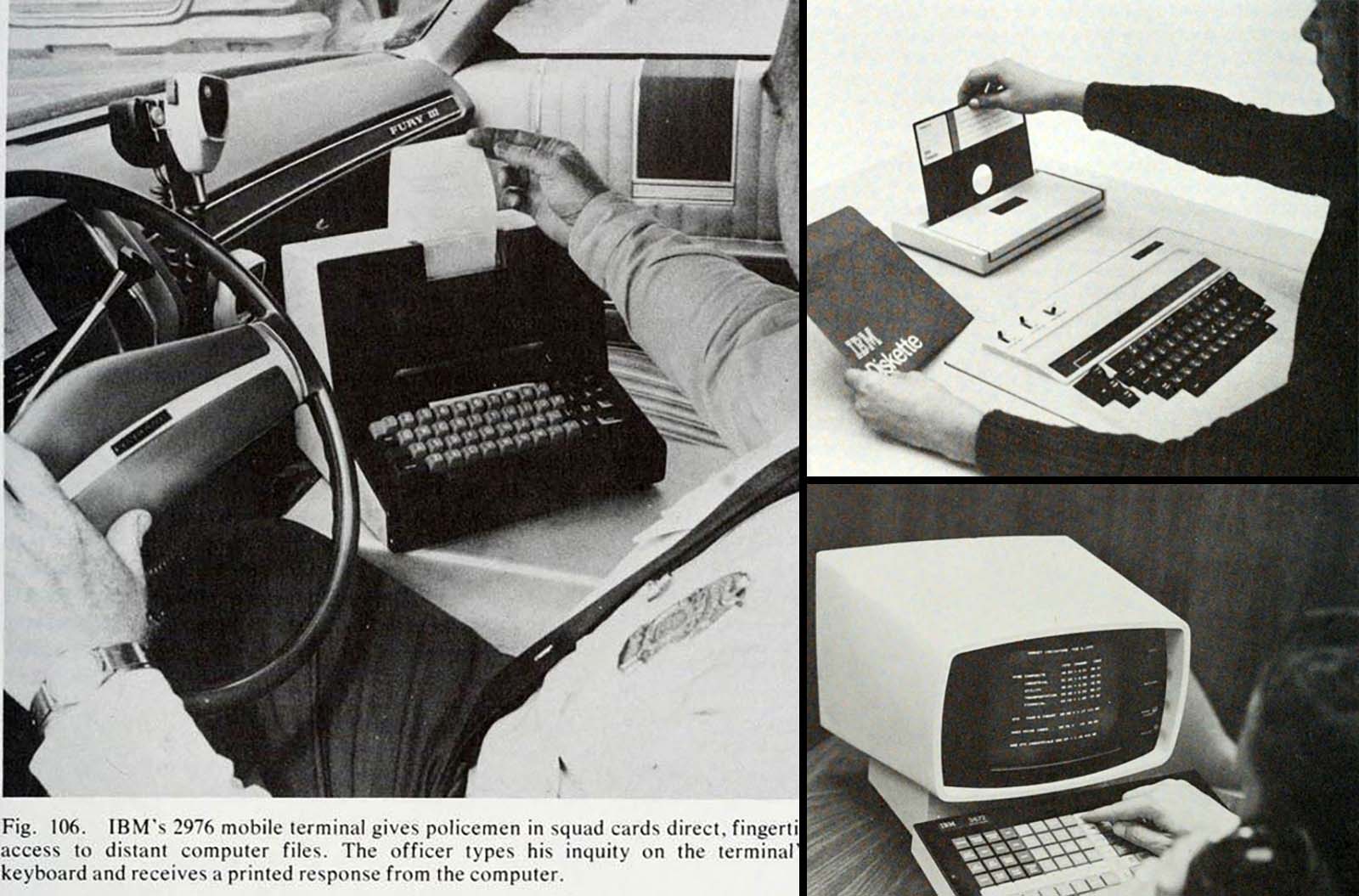
 In 1975, computers were enormous machines housed in dedicated rooms, surrounded by cabinets, cables, magnetic tape reels, and equipment that looked more like science fiction than the technology found in most homes today.
A book titled How a Computer System Works offered readers a way to understand these complicated machines, explaining their components and showing how information moved through an entire system.
Its illustrated pages now provide a fascinating look at how computers were understood during an era when personal computing was still years away from becoming commonplace.
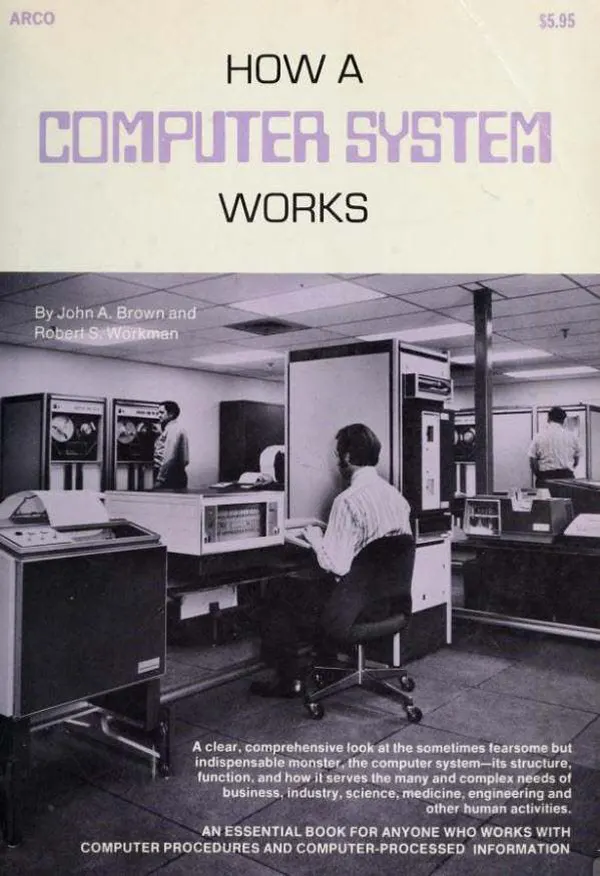 The book broke the process down into practical steps, from entering data to processing information and producing results.
Punch-card readers, central processing units, storage devices, and printers each had a specific role.
Rather than treating a computer as a mysterious machine, the explanations connected its functions to recognizable pieces of hardware.
 At a time when computers were becoming increasingly important in business, education, science, and government, this kind of accessible guide helped make the technology easier to understand for readers without a technical background.
One of the most striking features of early computer systems was their sheer size. Large machines consisted of rows of cabinets filled with electronic components, often occupying entire rooms.
The photographs and illustrations show a world of computing that feels almost unimaginable today, when a smartphone can perform tasks that once required expensive equipment and specialized facilities.
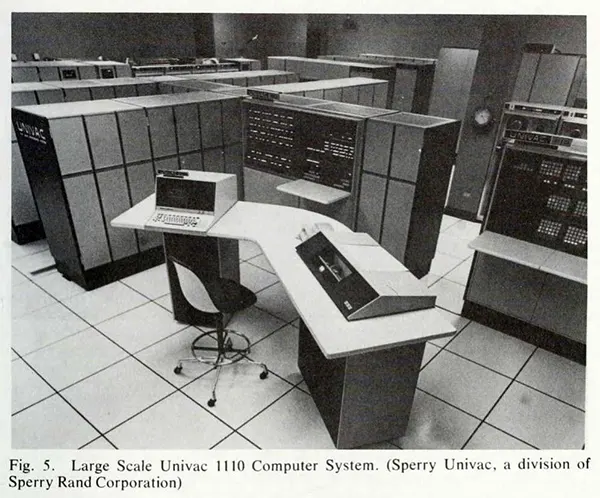
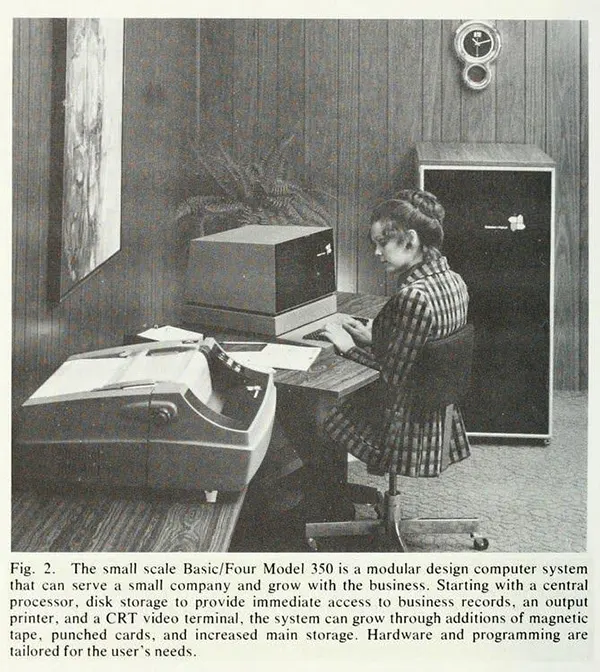 Among the machines featured is a large-scale UNIVAC computer system, an imposing collection of cabinets and control equipment.
The arrangement gives an impression of the scale and complexity involved in running a computer operation in the 1970s.
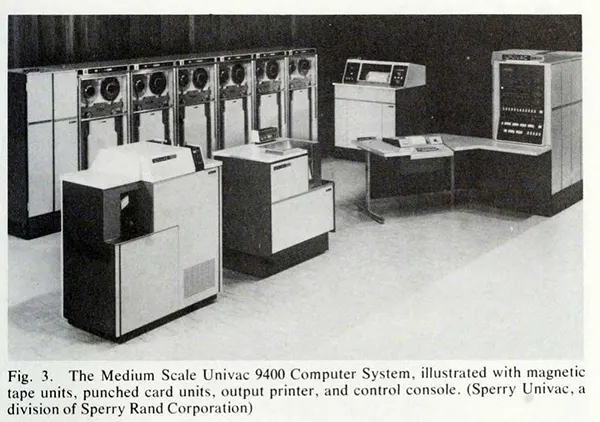
Operators worked at consoles surrounded by equipment, monitoring processes and managing the flow of information.
These systems required dedicated spaces, careful maintenance, and trained personnel, making computing a very different experience from opening a laptop and getting straight to work.
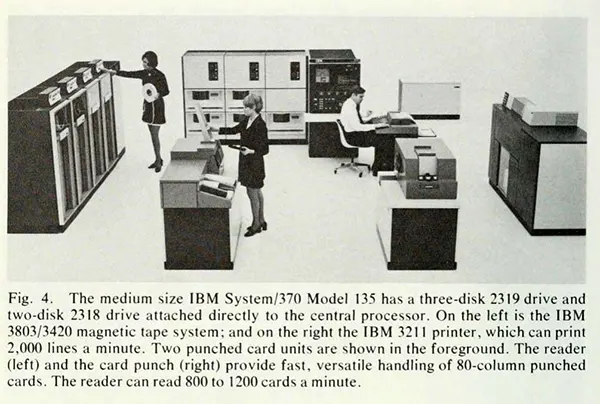
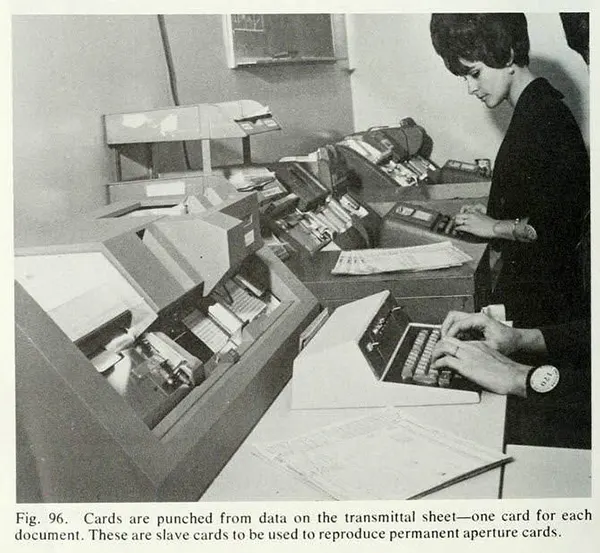
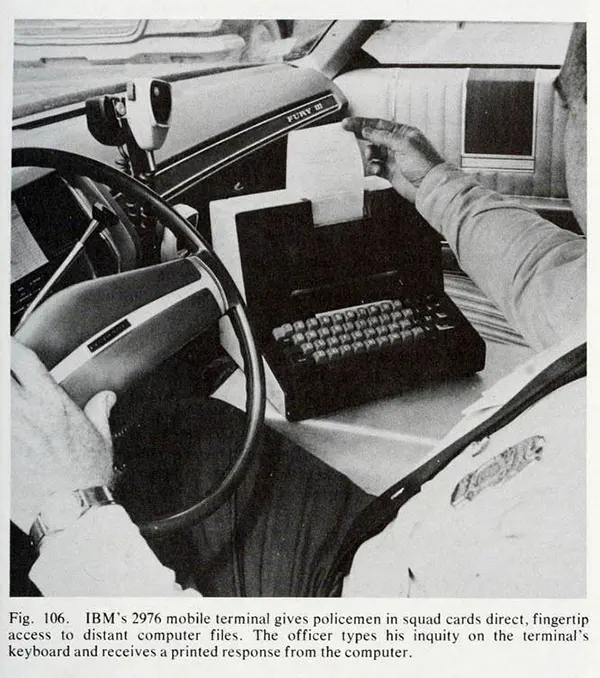
 The book also illustrates the importance of input and output devices. Before keyboards and touchscreens became the familiar ways to interact with computers, punched cards were widely used to enter instructions and data.
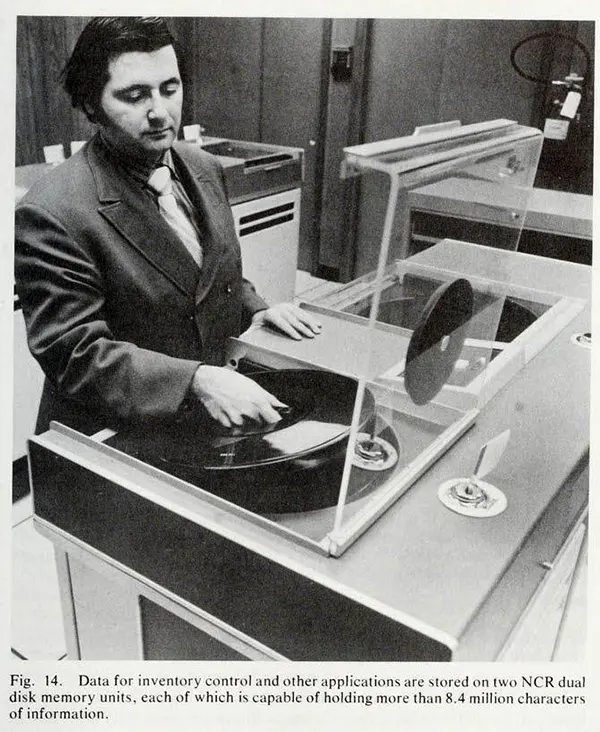
Storage relied on technologies such as magnetic tape and disk drives, while printed results were often delivered by large line printers.
Each device formed part of a system in which information moved from one stage to the next, with little of the seamless convenience associated with modern computers.
 For anyone who remembers early office computing, the printers are particularly evocative. Dot-matrix and line printers produced text through mechanical processes that could be loud, repetitive, and impossible to ignore.
Unlike modern inkjet and laser printers, which operate with comparatively little visible movement, these machines made the act of printing part of the experience.
Their print heads struck an inked ribbon against paper, building characters from individual dots or lines. The result was functional rather than elegant, but the machinery had a character of its own.
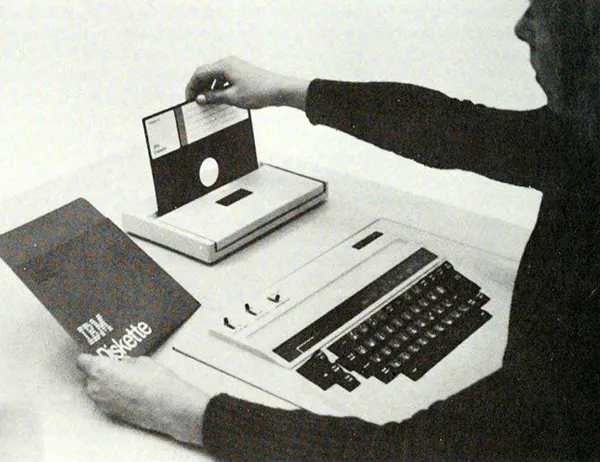
 Storage and software could also demand patience. During the 1980s, installing a large application on a personal computer sometimes meant feeding a long sequence of floppy disks into the drive, one after another.
Programs such as Aldus PageMaker, which helped popularize desktop publishing, could require multiple disks depending on the version and installation setup.
Users had to keep track of the sequence, wait for each disk to be read, and repeat the process until installation was complete. Compared with downloading software in minutes, it was a decidedly hands-on task.
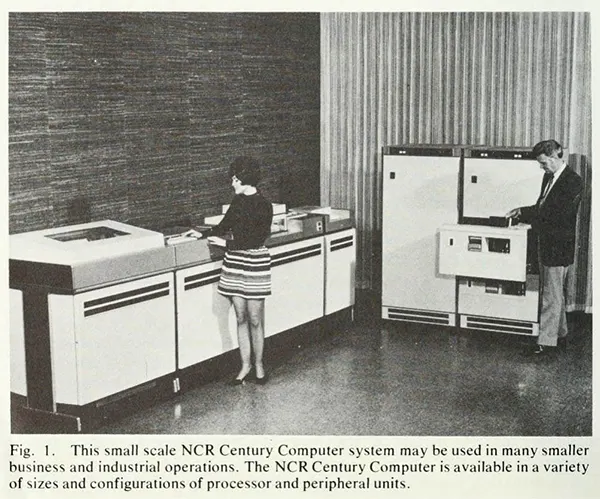
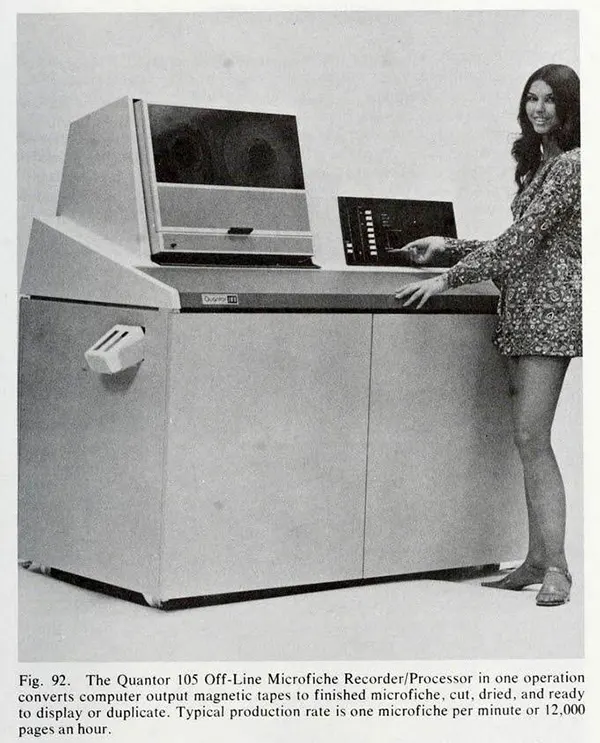
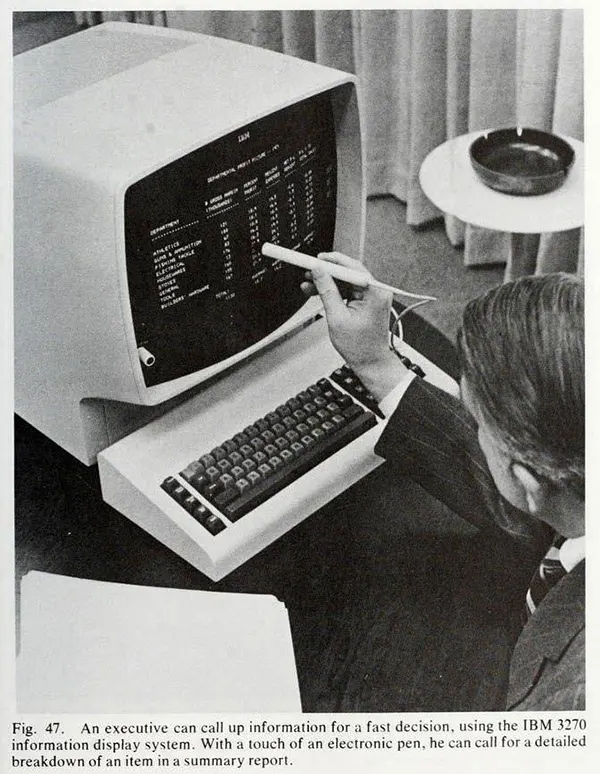 Office workers dressed in contemporary fashions, including the high hemlines associated with the 1970s, appear alongside equipment that now looks distinctly dated.
These details help place the technology in its original setting, reminding readers that computers were not isolated inventions but part of a changing workplace and society.
The technology has changed dramatically, but the book preserves the foundations of a transformation that would eventually bring computing into homes, schools, and pockets around the world.
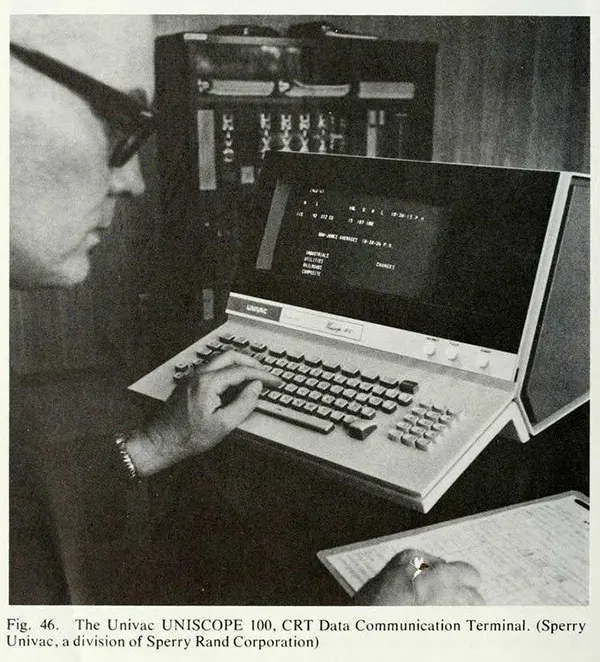
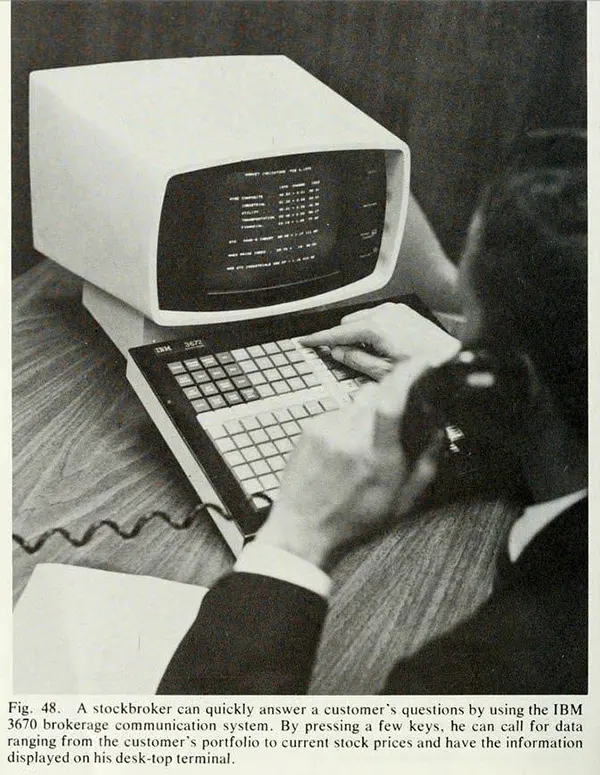
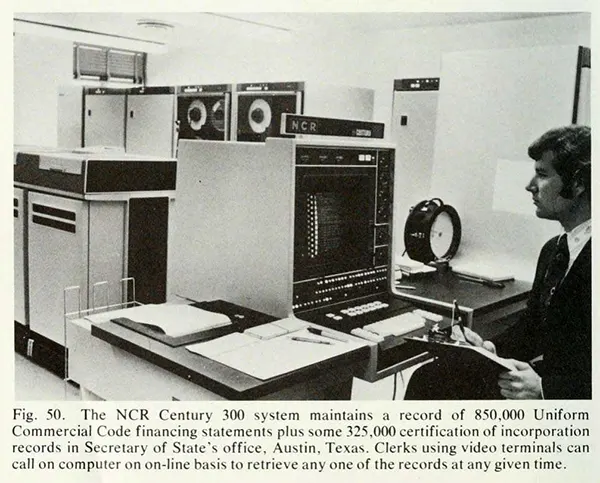
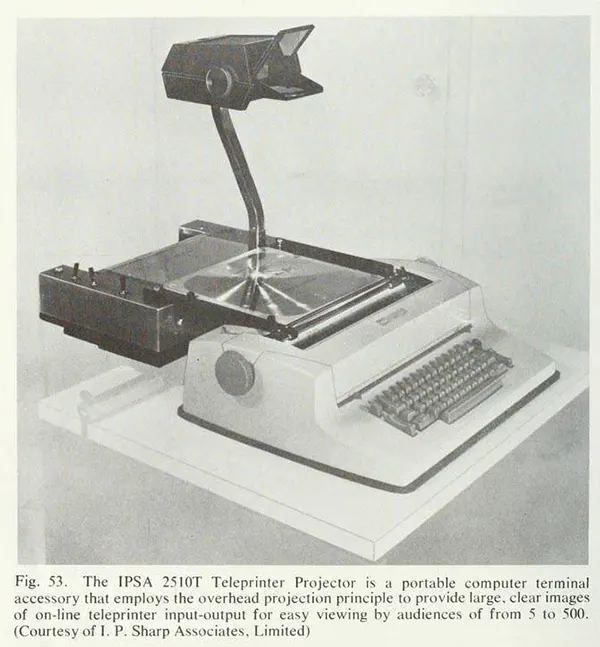
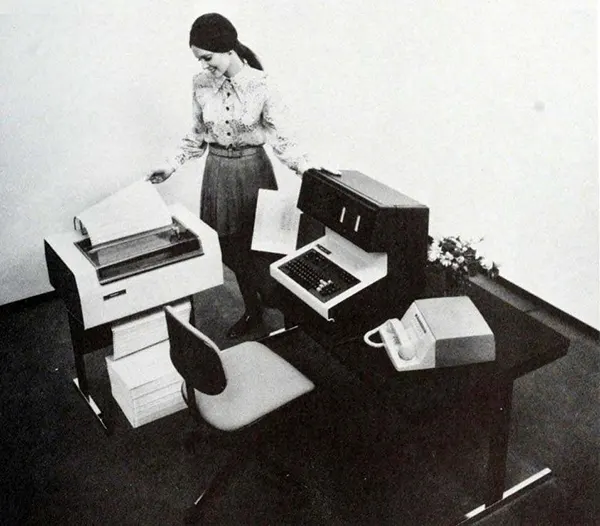
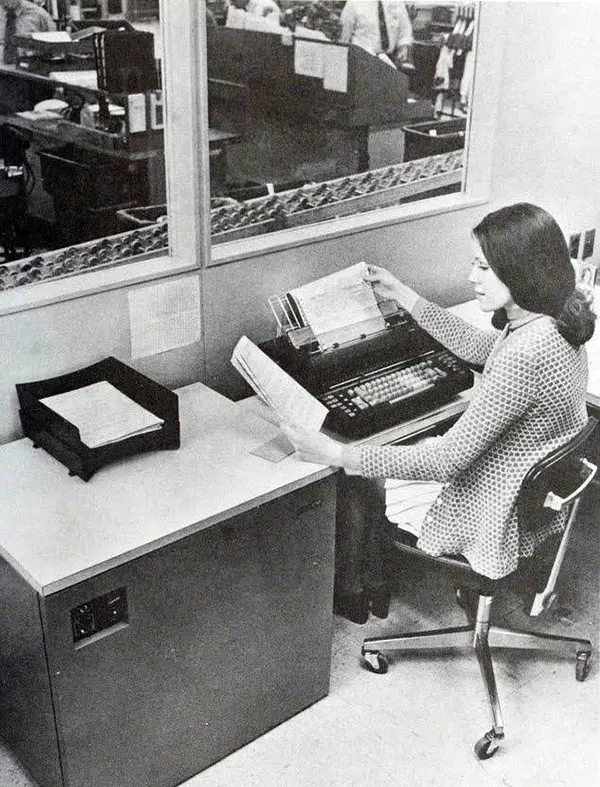
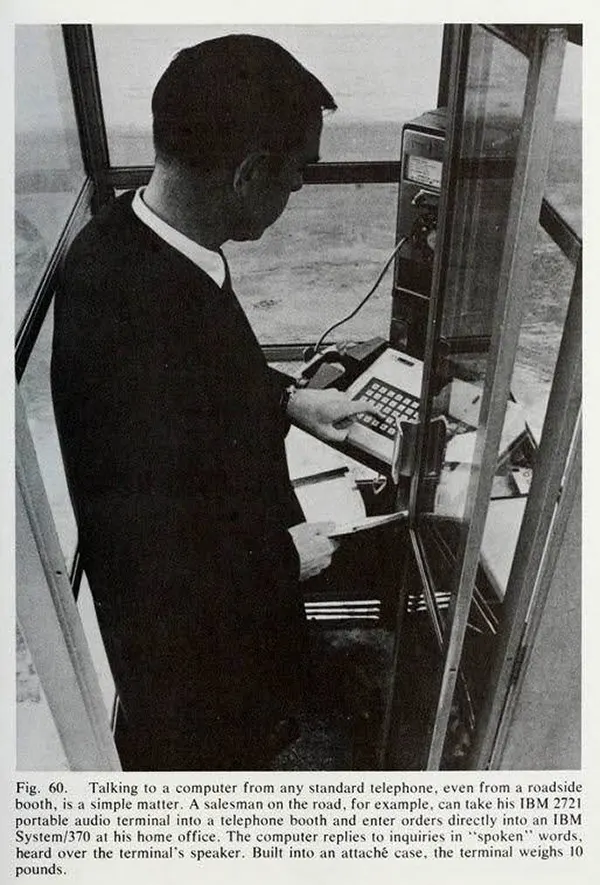

(Photo credit: Sourced from How a Computer System Works).