 There is a certain kind of discomfort that comes from flipping through old magazines from the 1960s and 1970s. Not because they feel foreign, but because they don’t, entirely.
The clothes changed. The hairstyles changed. The alcohol ads, though, reveal something rawer about that era than almost anything else on the page.
They were weird in a very specific way, and that weirdness is worth talking about.
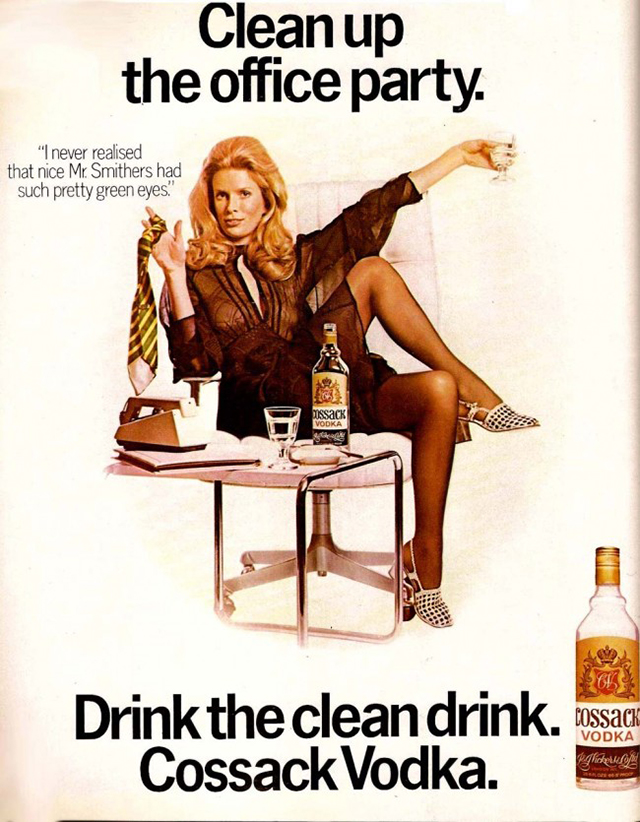 Somewhere between the post-war optimism of the early 1960s and the anything-goes attitude of the late 1970s, alcohol brands developed a remarkably consistent formula.
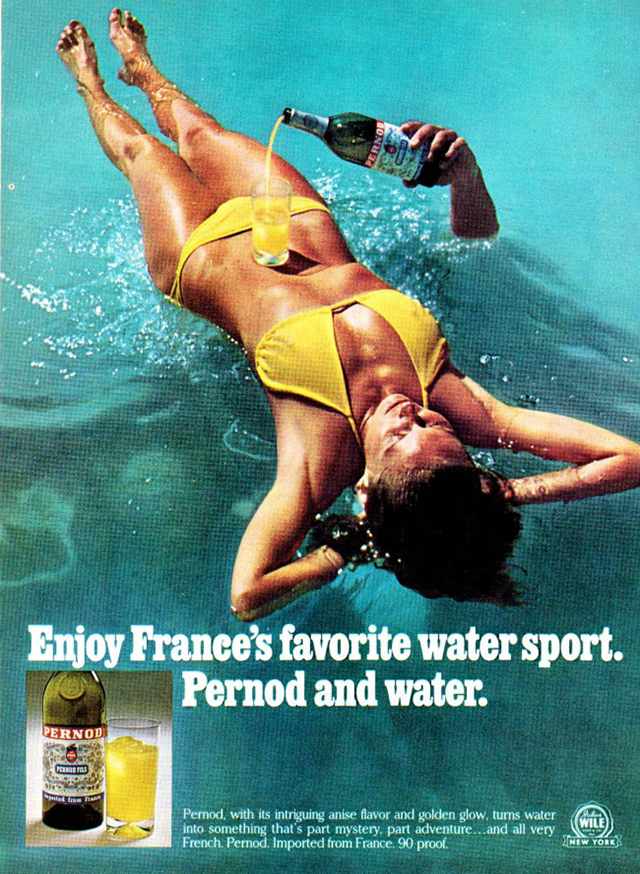
Take a bottle of spirits, add a woman who exists purely as scenery, write a tagline that would get a marketing team fired today, and call it a campaign. The results were bold, glossy, and often genuinely baffling.
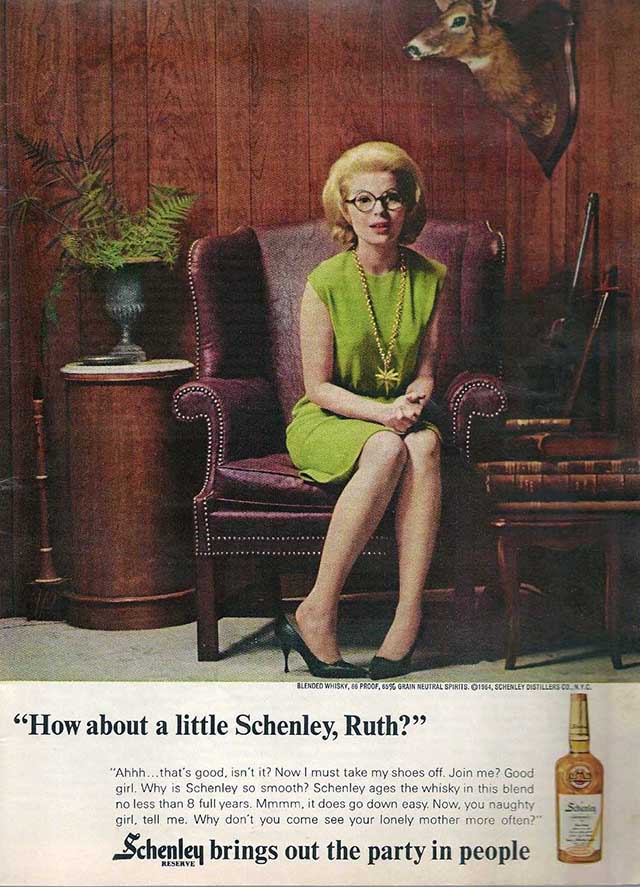
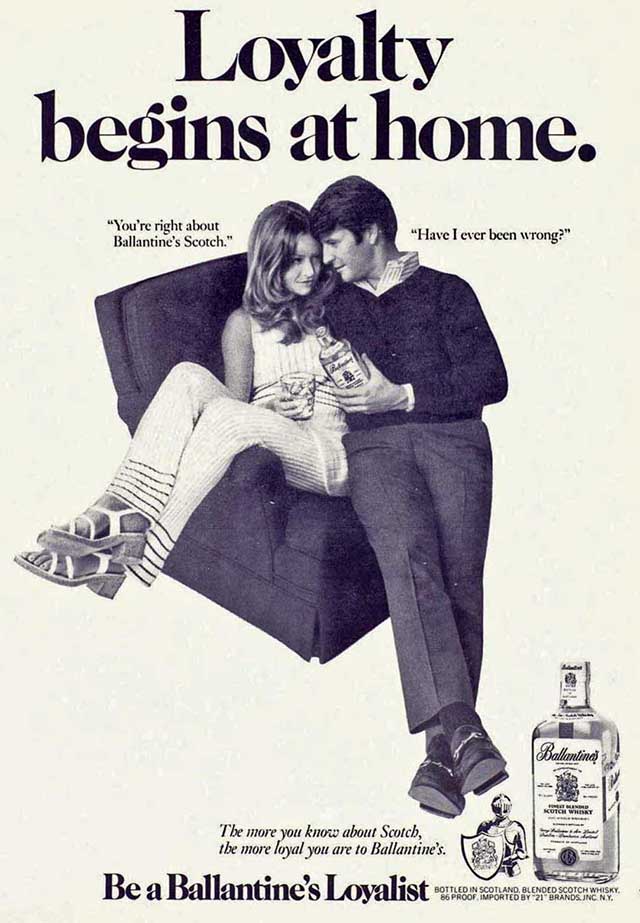
 Scotch ads from this period had a particular fondness for reducing women to accessories. Not metaphorically. Literally.
One recurring visual trope placed women alongside the bottle as though both were products being offered to the male reader.
The copy reinforced it. Taglines implied that choosing the right whiskey and choosing the right companion were essentially the same decision. Nobody in the room seemed to find this unusual.
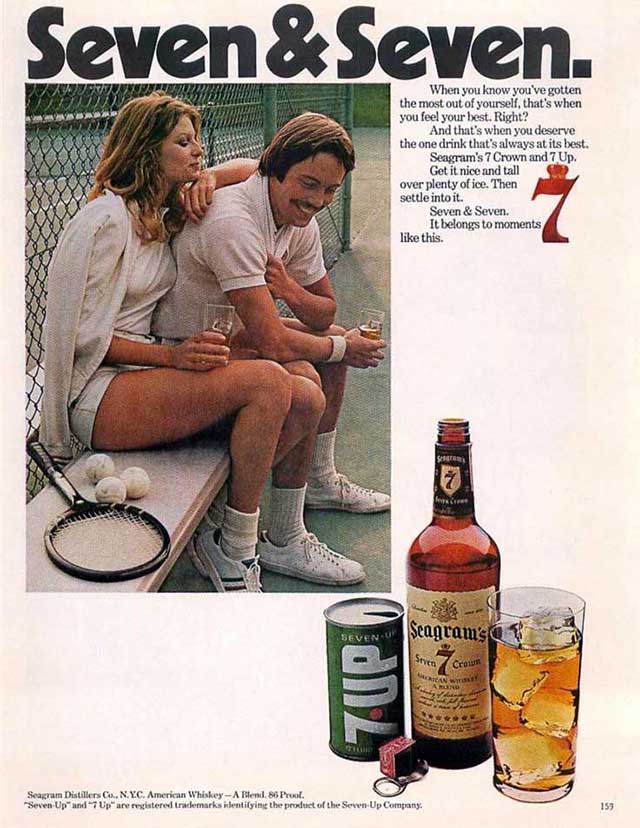
 Beer advertising leaned into a different kind of strangeness. Brands competed to associate their product with male dominance in ways so exaggerated they occasionally tipped into self-parody, though that was never the intention.
Women in these ads were frequently shown admiring men for their beer choice with the kind of reverence usually reserved for genuine accomplishment. Opening a can, apparently, was enough.
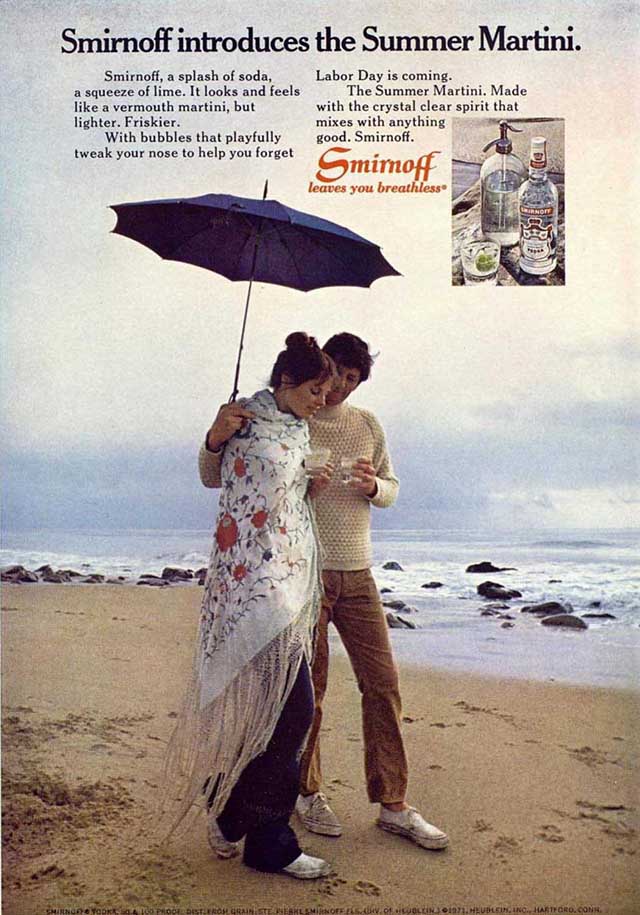
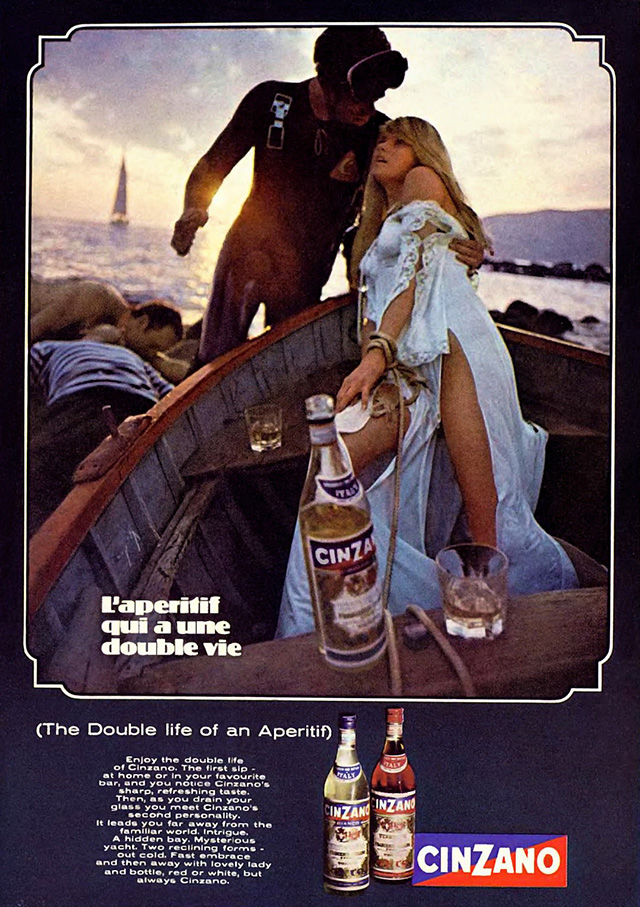
 Wine and liqueur brands attempted a softer approach that somehow ended up just as odd. The imagery was more romantic, the lighting warmer, but the underlying logic was identical.
A woman’s approval, desire, or attention was the product being sold. The bottle was just how you got there.
 What makes these ads genuinely fascinating rather than simply uncomfortable is how unguarded they are. There was no irony intended, no wink at the audience.
These were serious, expensive campaigns created by professional agencies for major brands.
They reflect a set of assumptions so deeply embedded at the time that nobody stopped to question them. Women as props. Men as the default audience. Sex as a transaction dressed up in good lighting.
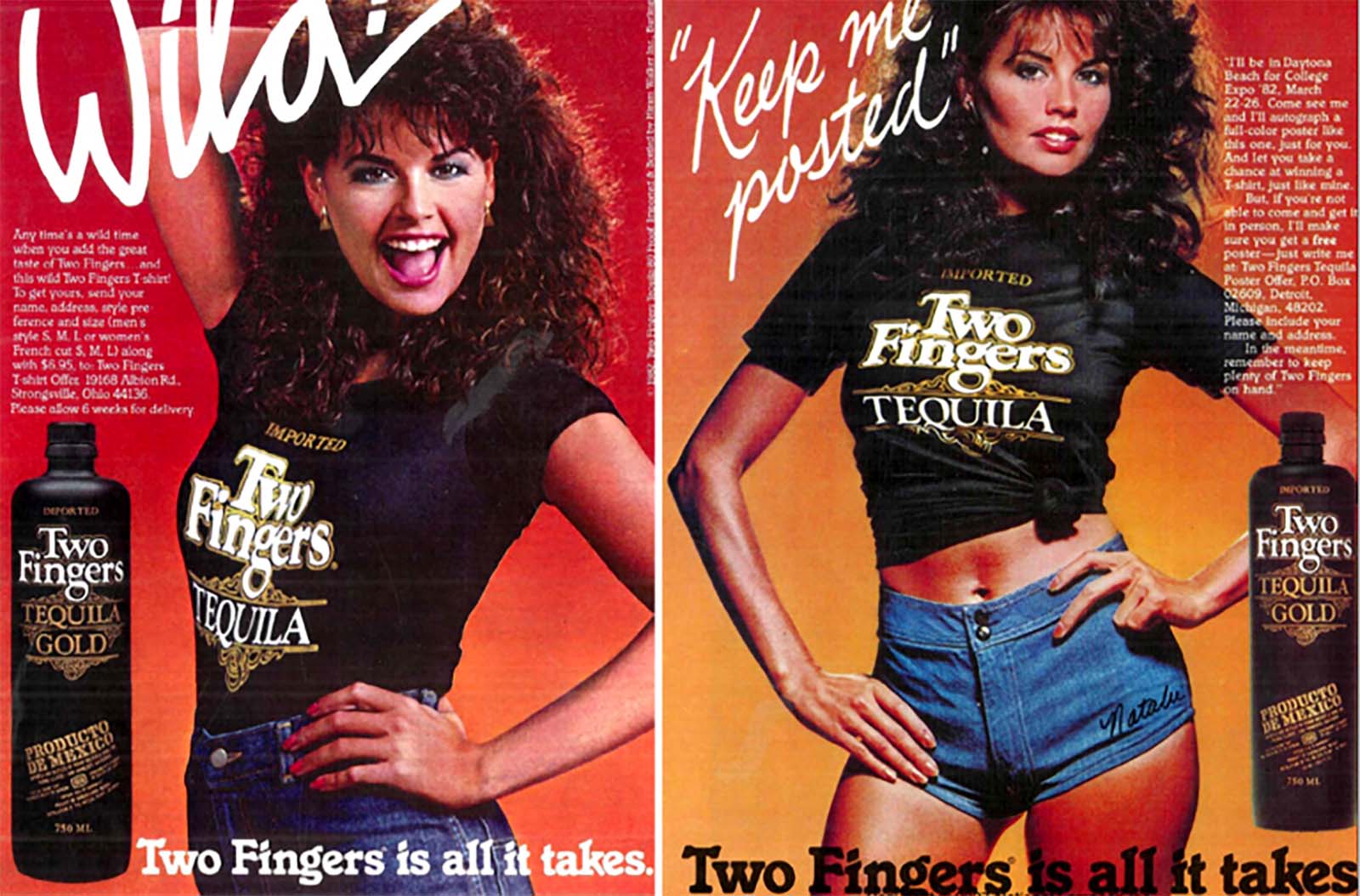
 The 1980s brought glossier production and bigger budgets, but the core playbook changed slowly.
If anything, the decade added a new layer of absurdity by combining soft-focus sensuality with increasingly surreal imagery.
Couples in inexplicable situations. Taglines that gestured vaguely at sophistication while saying very little. Rum ads that seemed to take place in a fantasy version of the Caribbean that had no connection to anything real.
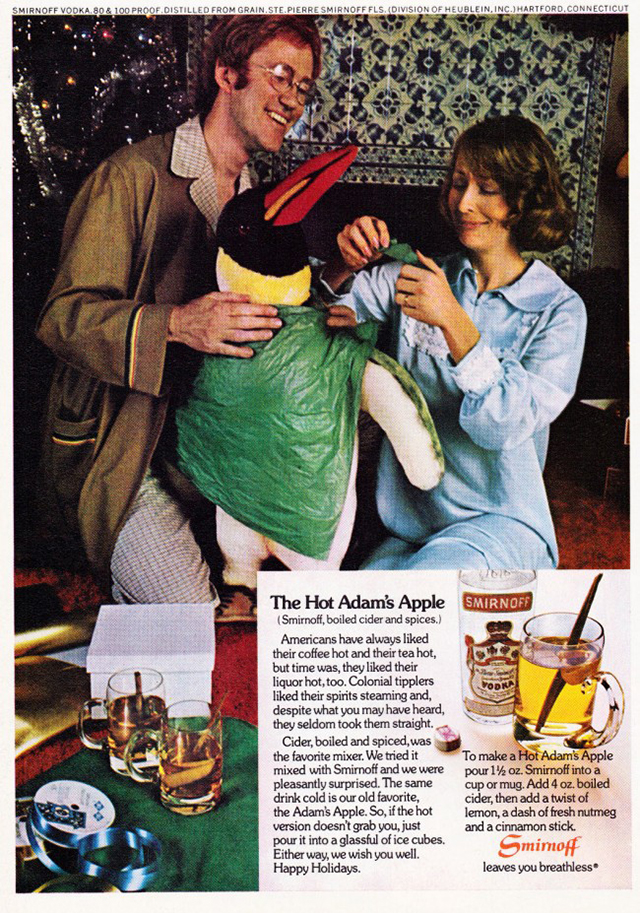 Looking at this era of alcohol advertising now, it is tempting to keep a comfortable distance and treat it purely as a relic. But these campaigns worked.
They ran for years, won awards, and shaped how entire generations thought about drinking, desire, and who certain products were actually made for.